Our Interactive EBC WMM Calendar
Starting in March, you’ll see every proposed day and activity outlined in the calendar.
Have questions or want to discuss anything? Head over to our WhatsApp group chat! WhatsApp here:
Apr
12
Day 14 – Final day and departure
Final Day: Kathmandu | Choice, Connection, and Integration
We’ll begin the day with a relaxed breakfast at The Dwarika’s Hotel.
From there, the day is intentionally flexible and shaped by the group’s energy and interests. We have several meaningful options:
I love the opportunity of doing a closing circle based on our experiences, any sharings, things we are leaving in the trek and things we are bringing from the trek into our lives. —> Open and happy to structure this to which best fits!
We can visit inspiring local organizations and spend time listening to the voices and stories of remarkable young people doing important work in the region.
We can enjoy beautiful, upscale shopping and explore Kathmandu at a slower, more leisurely pace.
Or we can create a blend of both. I’m happy to curate a short list of thoughtful options once we arrive.
Flights depart in the evening, so we’ll plan for an early dinner and a smooth transition to the airport.
Personal note: I’ll be staying a bit longer after the group departs and will be traveling to Tibet to visit the family of one of the Anis who will be giving us Puja’s along the way.
If anyone feels called to extend their journey and explore Tibet for three to four days, please let me know and we can discuss logistics.
This final day is about choice, integration, and landing gently after an extraordinary journey.
Namaste!
Apr
11
Day 13 Return to Kathmandu
Day 13: Everest Base Camp → Dingboche → Lukla → Kathmandu
Due to altitude and safety protocols, helicopters will operate in stages.
From Everest Base Camp, helicopters will shuttle two people at a time back to Dingboche. This is standard procedure at this altitude and allows for safe operations. Once in Dingboche, we’ll gather for tea or coffee while waiting for everyone and for our equipment to arrive.
After the full group and gear have regrouped in Dingboche, we’ll continue by helicopter to Lukla, and then onward to Kathmandu, weather permitting.
Upon arrival in Kathmandu, we’ll head directly to The Dwarika’s Hotel for rest, recovery, and massage treatments. This final day is about landing gently, allowing the body to decompress, and beginning to integrate everything we’ve experienced.
Accommodation: The Dwarika’s Hotel, Kathmandu
Apr
11
Day 13 Morning Puja at EBC
Morning Prayer at Everest Base Camp
This will be our final morning at Base Camp, a place I personally hold with deep respect. I am working to arrange a special puja timed with the morning light reaching the altar.
We’ll allow space for gratitude and reflection on the journey we’ve just shared, and on the time spent here. It’s natural for this moment to feel tender for some (don’t be surprised if you see me in tears).
This is a place shaped by history, energy, and presence.
Then we’ll have our final breakfast before departing by helicopter.
Apr
10
Day 12 - Trek to EBC
Day 12: Gorak Shep → Everest Base Camp | Overnight at the Base of the Mother of the World
Start altitude: 16,942 ft (5,164 m) Gorak Shep
Highest point: 17,598 ft (5,364 m)
End altitude: 17,598 ft (5,364 m) EBC
Distance: ~1.4 miles (2.3 km) one way
Estimated walking time: 2.5 to 3.5 hours
After completing the sunrise climb to Kala Patthar and returning to Gorak Shep for breakfast, we prepare for the final leg of the trek.
We walk onward to Everest Base Camp. This is a one-way journey, with an overnight stay at Base Camp at the foot of Chomolungma (The Mother of the World).
The route takes us fully onto the Khumbu Glacier, crossing ancient ice and glacial moraine that have existed for millions of years. The landscape is raw, vast, and otherworldly. It can feel as though we have stepped onto a different planet.
Movement here is slow and deliberate. It is normal to feel slightly unsteady as the altitude makes itself known. Hydration and steady energy are essential, even if thirst or appetite feels reduced. Discipline with water is critical today.
We’ll stop on the side of the rocks for a couple of 15-minute breaks. We’ll be eating our chewy’s and protein bars. We’ll get provided with hot water to mix with our termos
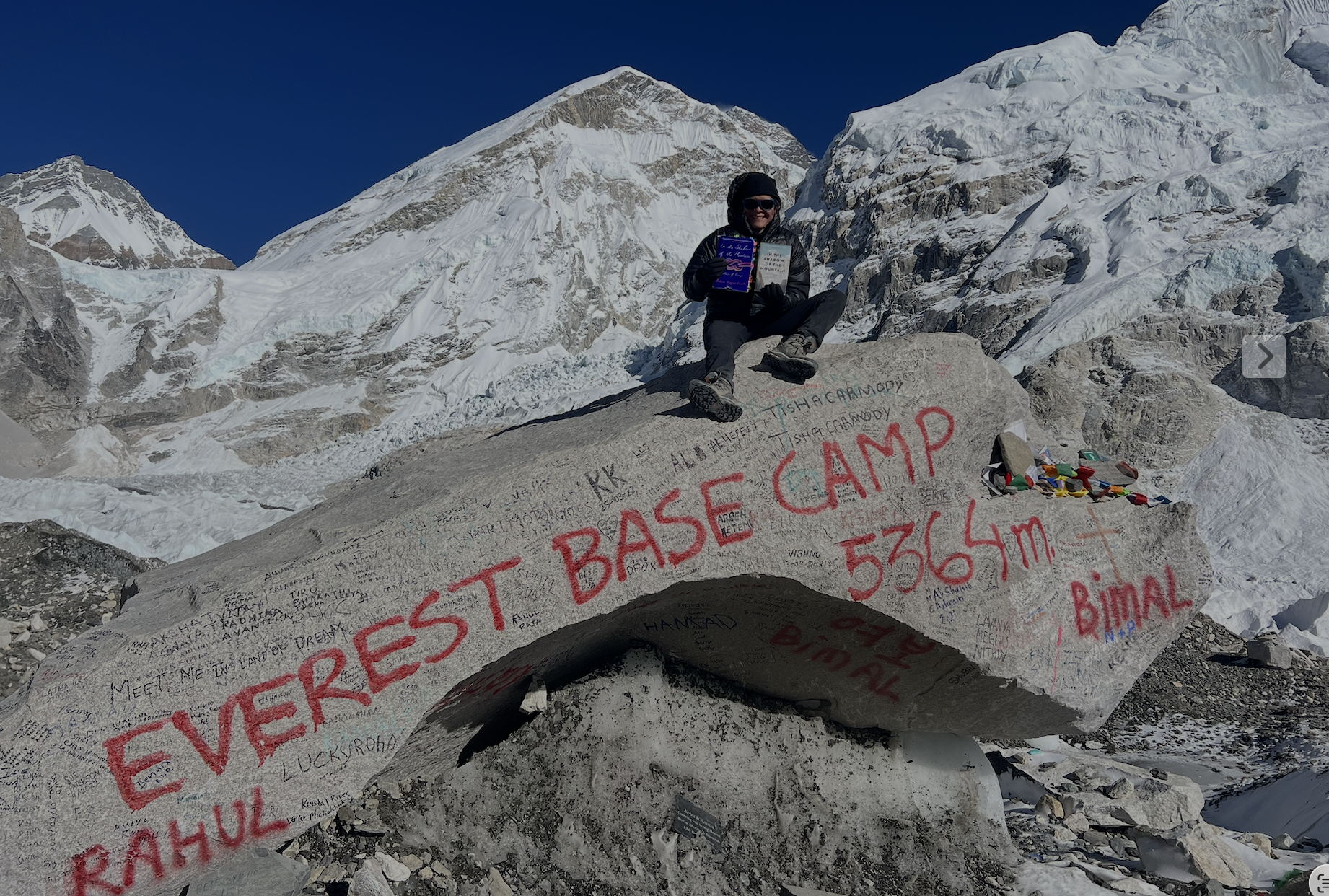
Arriving at Everest Base Camp is a rare and extraordinary moment. Spending the night here is something very few people ever experience. This is a place of humility, awe, and deep presence. We will take time to arrive fully, reflect, and honor the journey and the lives, dreams, and intentions we carry with us.
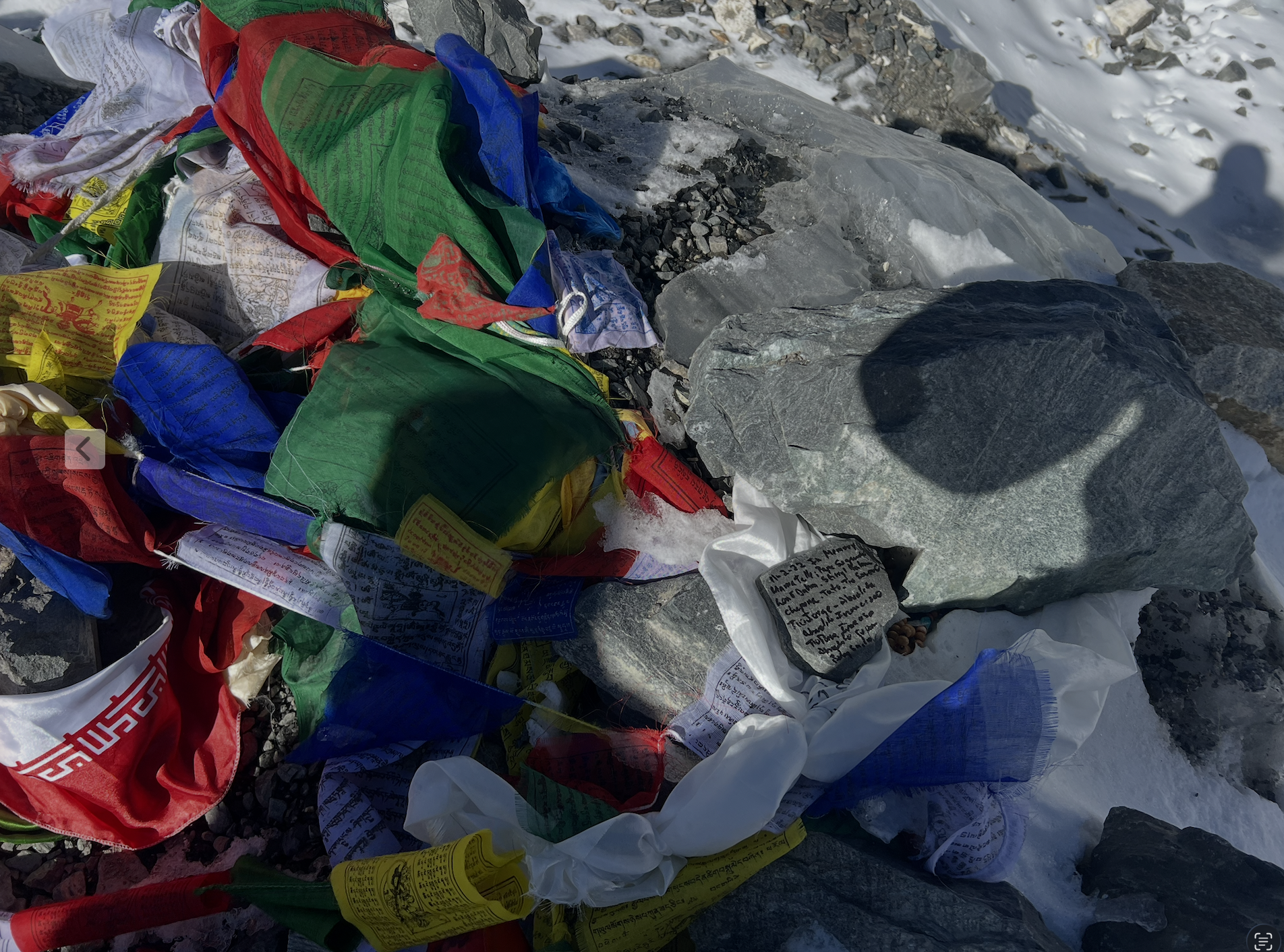
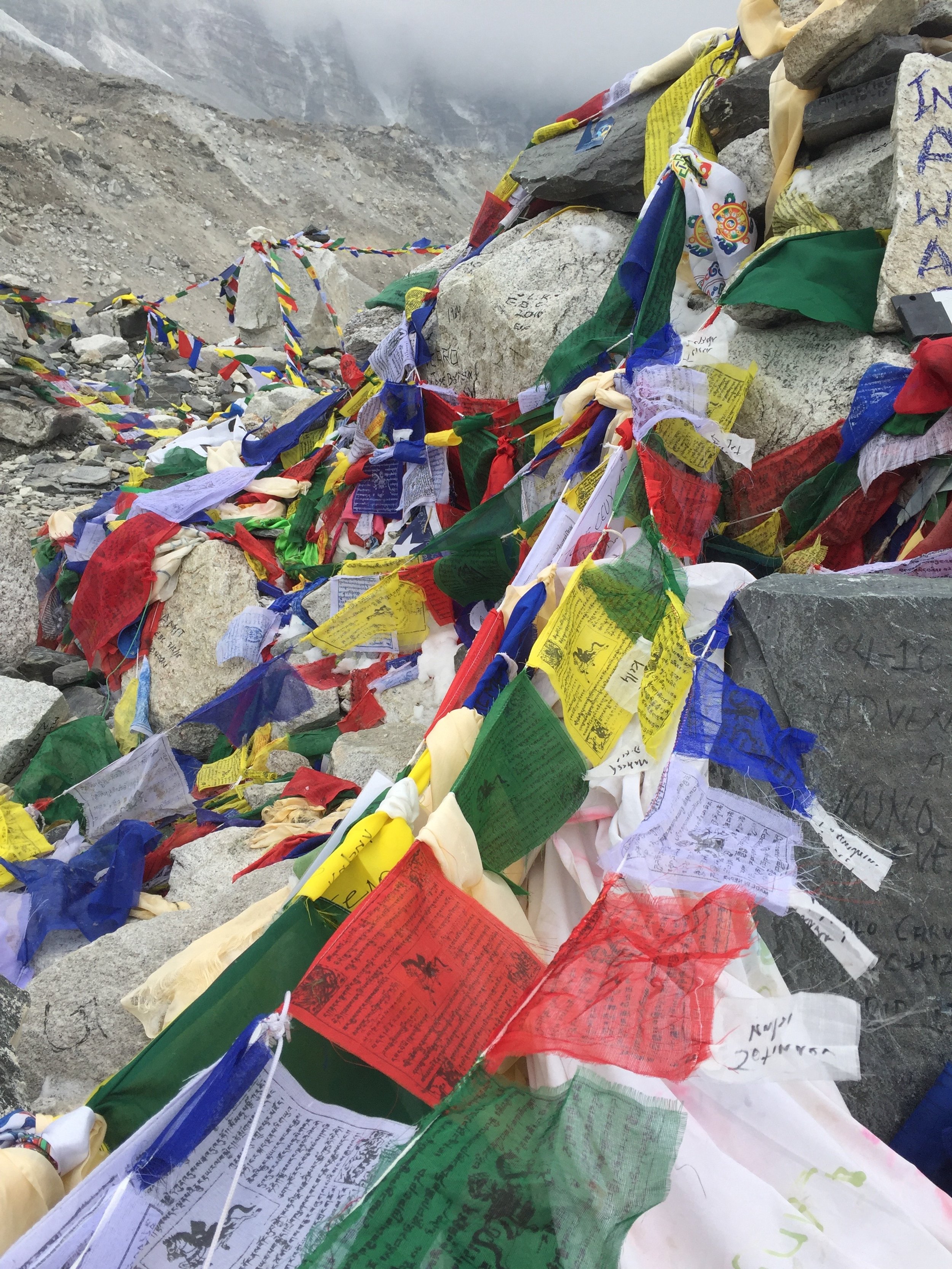
At the main entrance to Everest Base Camp, a large gathering of prayer flags marks the arrival. It’s a natural place to pause, leave our flags, and take a quiet moment with our intentions
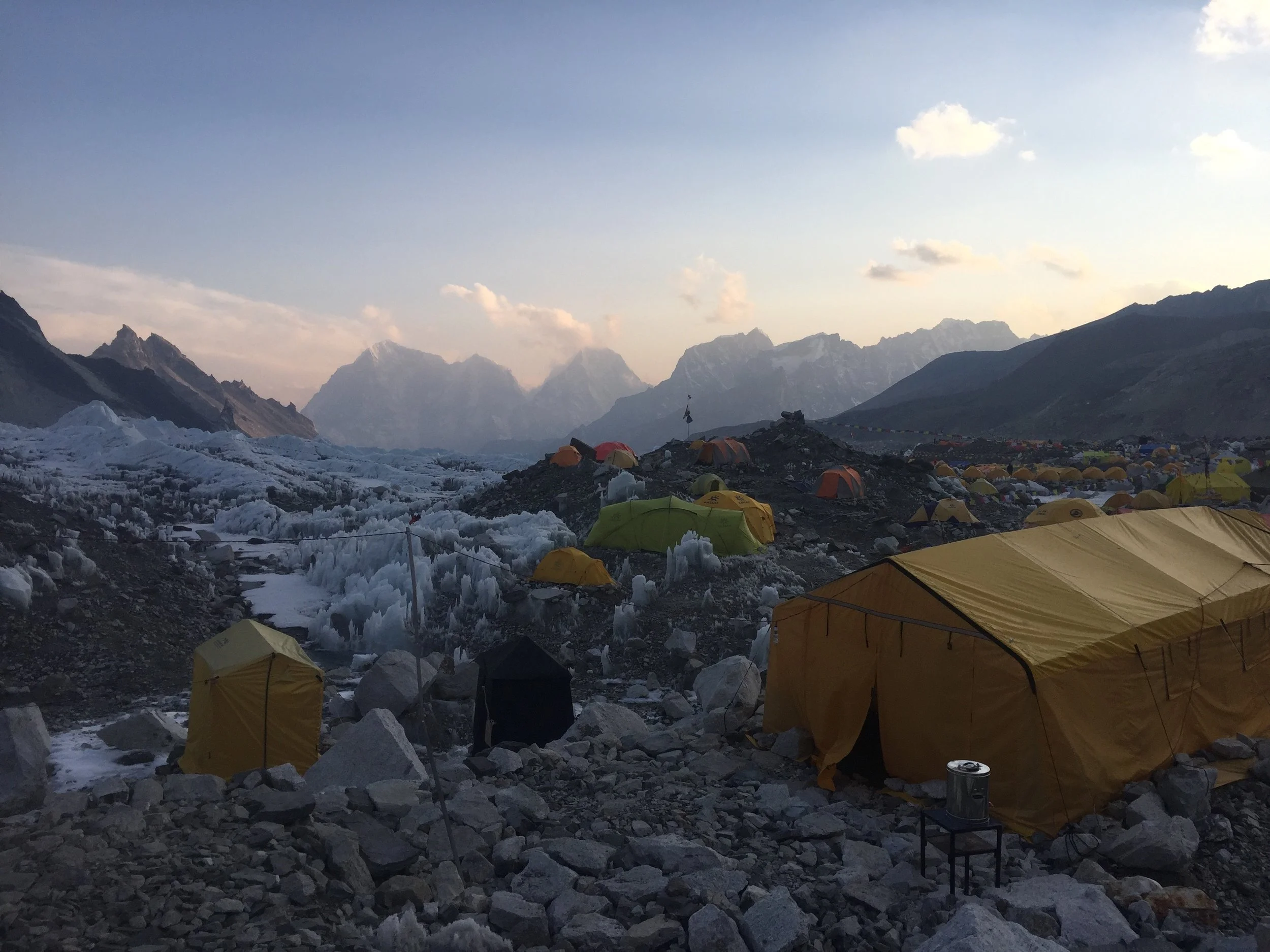
As we move deeper into Base Camp, the landscape begins to resemble a small, temporary city, with expedition tents spread across the glacier. We’ll locate our camp, settle in, and take a gentle walk around the area to explore, orient ourselves, and fully arrive.
This time is focused on grounding, taking in the scale of the place, and settling into the experience of being here.
There is an altitude clinic at Base Camp. I’m scheduling a final check-up for those interested.
The evening is centered on warmth, rest, and quiet downtime beneath the surrounding peaks. For those who feel social and a little chattier, there may be a brief opportunity to mingle with other expeditions, many of whom will be just beginning their journeys and at different stages of their trek.
We’ll have our final dinner and potentially head to bed by 8pm.
Apr
10
Day 12 – Climb to Kala Patthar
Day 12: Sunrise Climb to Kala Patthar (Part 1)
Start altitude: 16,942 ft (5,164 m) Gorak Shep
Highest point: 18,519 ft (5,644 m) Kala Patthar
Estimated walking time: 2 to 3 hours ascent
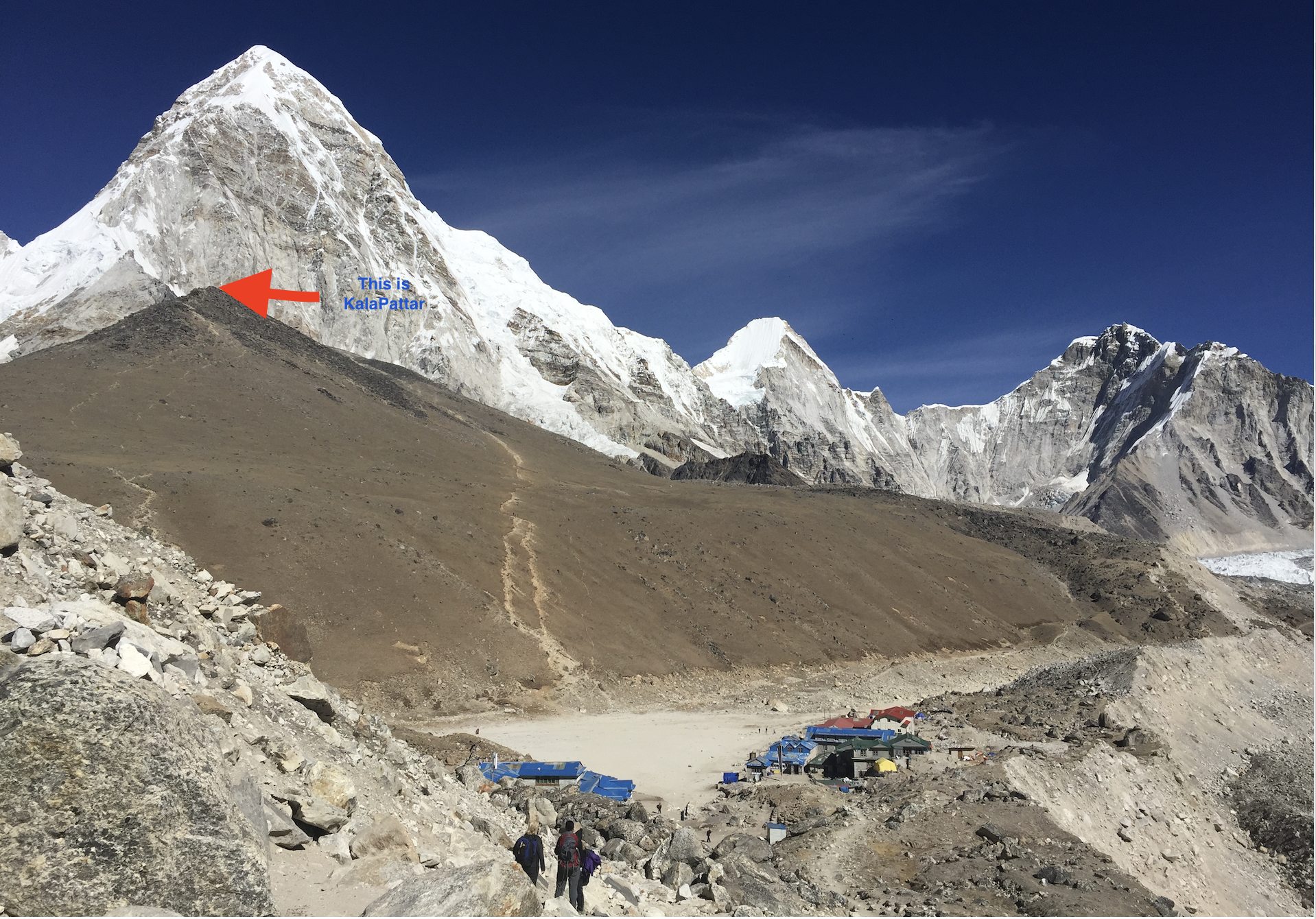
Before dawn, we’ll begin our climb from Gorak Shep to Kala Patthar to witness the sunrise. This is one of the most powerful experiences of the entire journey.
The biggest challenge will be the freezing cold, even colder than Everest Base Camp. Headlamps will be essential, along with our warmest thermal layers, heavy gloves, and down parkas.
We will rise very early, around 4:00 am, so aiming for bed by 7:00 pm the previous evening is ideal; we’d likely have to use our rubber water bottle for sleep. We need to use trekking poles. From the photo below, the path is quite straightforward: a long incline with a few zigzags. If it’s a starry night, we’ll be watching lots of shooting stars.
Since we won’t have breakfast, heavy hydration, lots of electrolytes, and chewy’s or protein bars will do the trick. The body tries to compensate with energy and hydration.
The ascent is slow and steady. Breathing is deliberate, movement is measured, and the cold is sharp at this hour. Headlamps guide our steps as the sky slowly begins to change color.
As the sun rises, the Himalayas reveal themselves layer by layer. Everest, Nuptse, and the surrounding peaks emerge in light and shadow, offering one of the most expansive and humbling views in the region. We will leave another prayer flag at the top.
Reaching the summit of Kala Patthar is not about speed or achievement. It is about presence. This moment often becomes one of the most remembered and meaningful of the trek.
After taking time to absorb the view (leave another prayer flag), we’ll descend carefully back to Gorak Shep for the yummiest breakfast and rest before continuing with the day.
Apr
9
Day 11 – To Gorakshep
Start altitude: 16,210 ft (4,940 m) Lobuche
End altitude: 16,942 ft (5,164 m) Gorak Shep
Distance: ~2.6 miles (4.2 km)
Estimated walking time: 3 to 4 hours
Today is a shorter trekking day, intentionally designed to conserve energy and allow for rest at altitude.
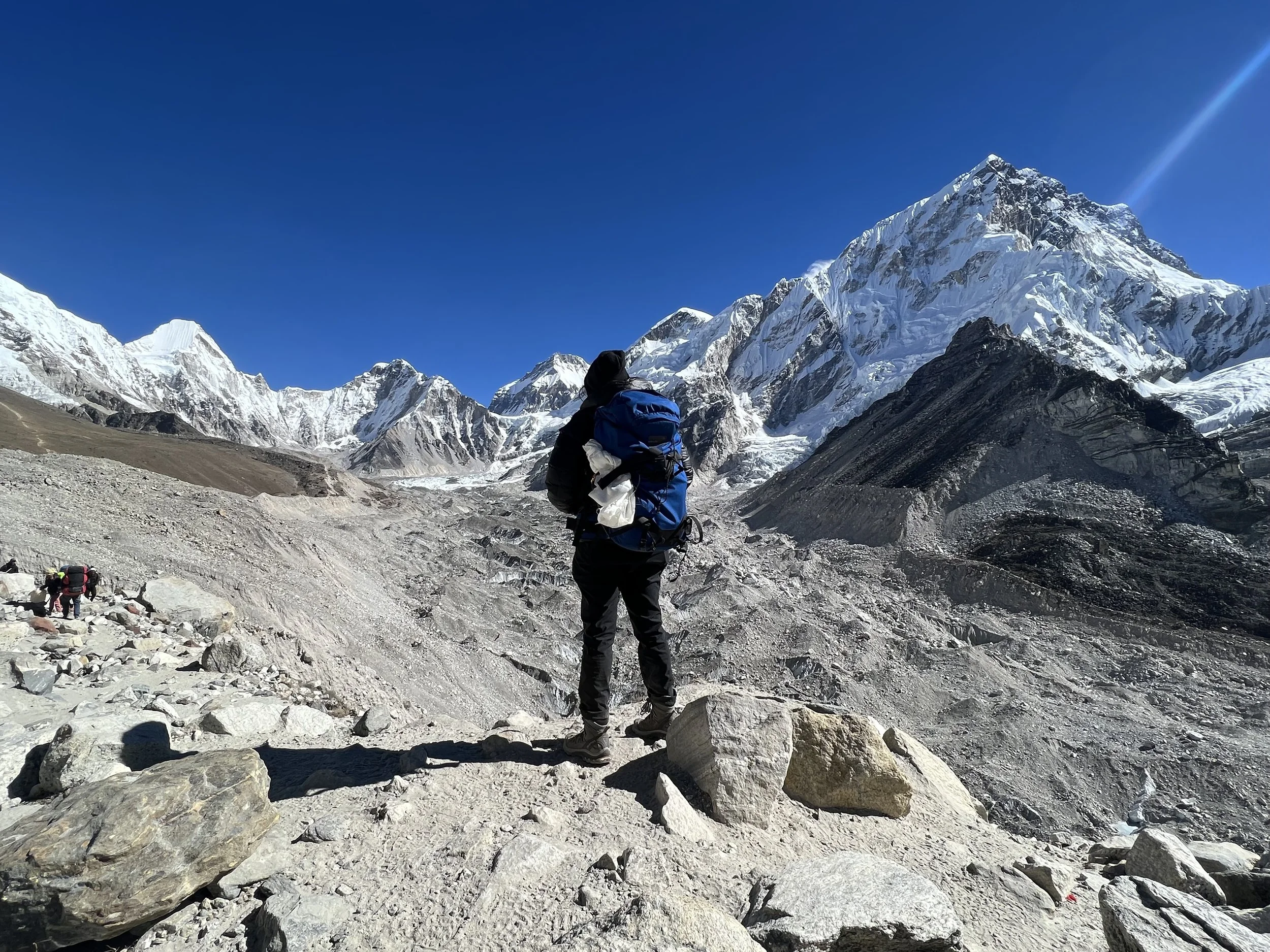
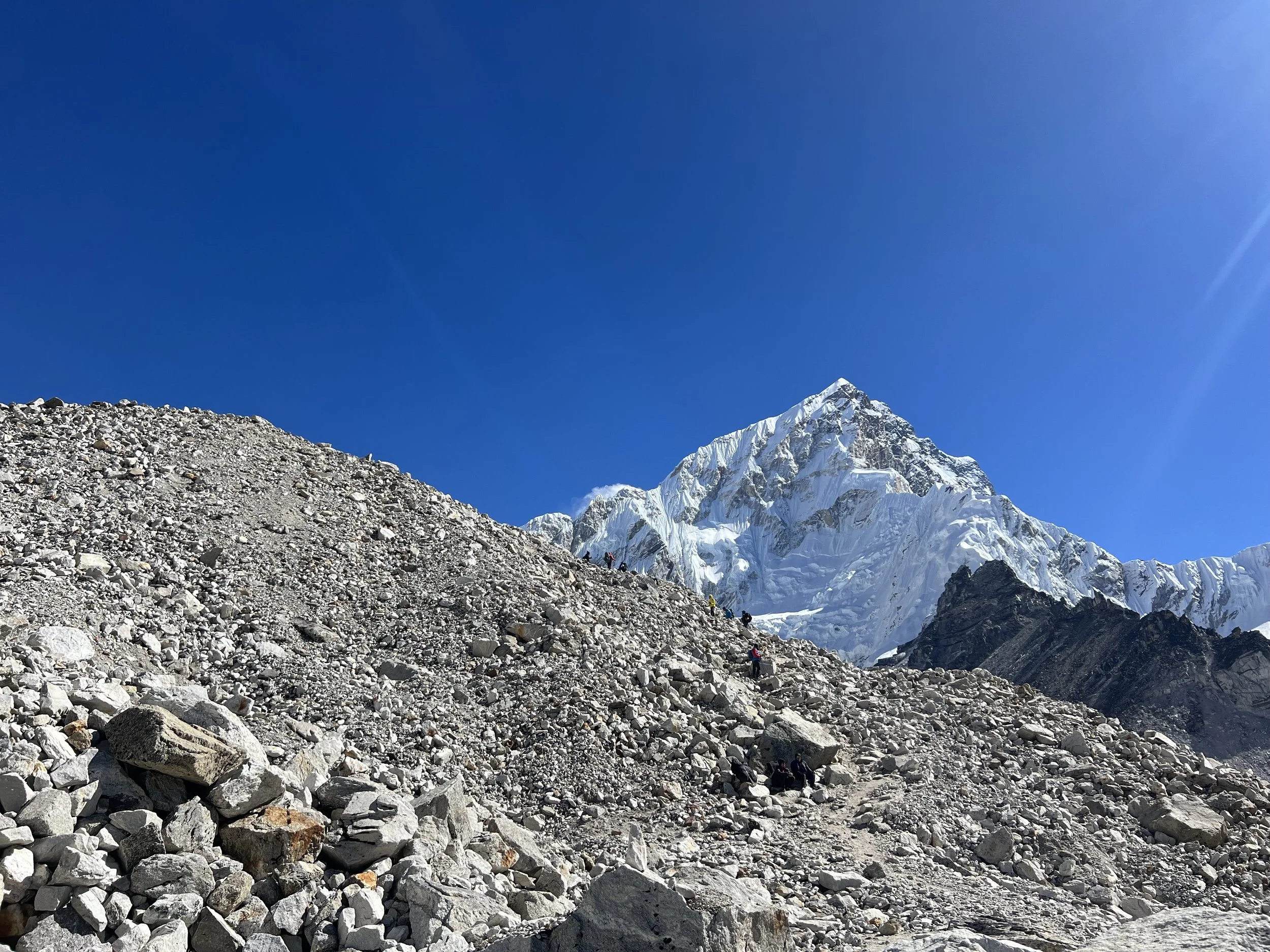
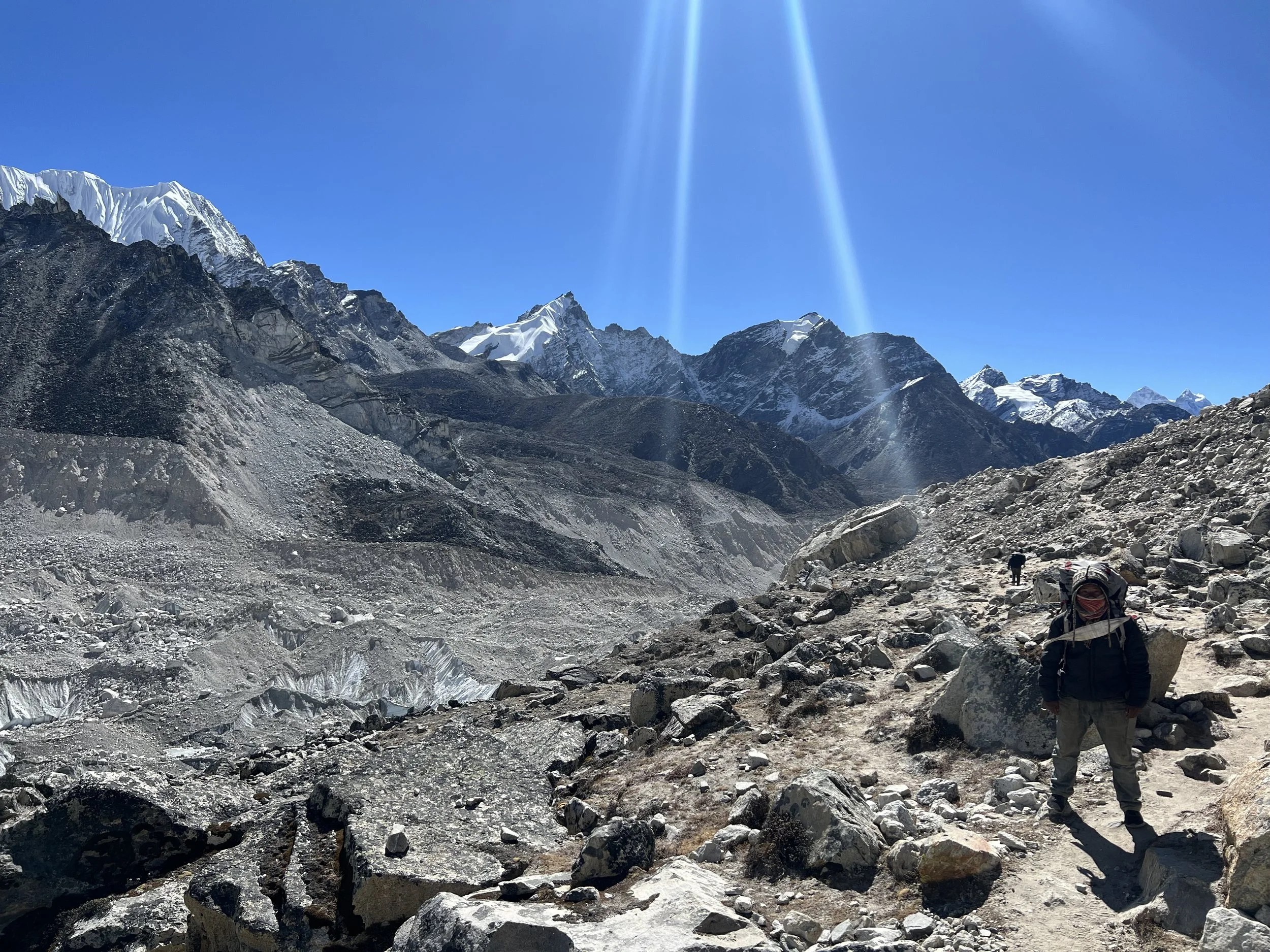
After breakfast, we’ll begin a slow and steady walk from Lobuche to Gorak Shep. The terrain is rocky and glacial, and the pace will remain gentle and deliberate. Hydration continues to be essential.
We will now, for the first time, be walking on the Everest Glacier. This is ancient land, shaped over millions of years by ice, movement, and time. The colors, textures, and scale are extraordinary, and it can feel as though we have stepped onto another planet.
It is normal to feel a little wobbly here. This is the altitude making itself known. Movement may feel heavier, breathing more deliberate, and focus more inward. This is where patience, presence, and kindness toward yourself matter most.
Hydration and steady energy are essential in this environment. Even if you do not feel thirsty or hungry, staying disciplined with water and nourishment will support your body as it adapts. We move slowly, intentionally, and together, honoring both the landscape beneath our feet and the effort it takes to be here.
Once we arrive in Gorak Shep, the remainder of the day is dedicated to rest, hydration, warmth, and recovery. Appetite may be lower at this altitude, so listening to your body and staying nourished and hydrated is important.
We will do another health check here. Given the altitude gain, it is safest to conduct an additional check upon reaching Gorak Shep. I have confirmed with the medical team that their clinic in Gorak Shep will be fully operational during our stay.e.
This quiet afternoon allows us to rest and prepare for the next day’s early departure. We encourage everyone to settle in early, ideally aiming for bed by 7:00 pm.
Accommodation: Lodge in Gorak Shep
Apr
8
Day 10 – To Lobuche
Dingboche → Lobuche | Remembrance and Slow Ascent
Start altitude: 14,469 ft (4,410 m) Dingboche
Highest point: ~16,210 ft (4,940 m)
End altitude: 16,210 ft (4,940 m) Lobuche
Estimated walking time: 4 to 5 hours
Today is a special and intentional day.
We will carry a prayer flag to honor those who have departed. This is a quiet moment of remembrance, gratitude, and connection as we continue the journey upward.
We will have lunch midway, then begin a slow and steady trek toward Lobuche. Today, pacing matters more than distance.
Moving deliberately allows the body to adapt and helps preserve energy as we gain altitude.
Hydration is essential today. Even if we do not feel thirsty, we must be consistent and disciplined about drinking water. This is critical for acclimatization and overall well-being.
This day invites presence, patience, and care for ourselves and one another as we move deeper into the high mountains.
Accommodation: Eco Lodge in Lobuche
Apr
7
Day 9 – Acclimatization
Acclimatization and Health Check in Dingboche
Today is intentionally slow and spacious.
We will visit the Himalayan Rescue Association Aid Post for a thorough medical check. This includes oxygen saturation and a general assessment to make sure everyone is acclimatizing well and feeling strong.
The morning is relaxed and unhurried, with time to rest, hydrate, and check in with how your body is responding to the altitude. There is no pressure to do anything beyond listening to your body.
The remainder of the day is dedicated to rest, gentle movement if desired, journaling, and recovery. This acclimatization day is an important part of the journey and helps set us up well for the days ahead.
Accommodation: Tashi Delek Lodge in Dingboche
Apr
6
Day 8 – To Dingboche
Start altitude: 12,532 ft (3,820 m) Deboche
Highest point: ~12,687 ft (3,867 m) Tengboche Monastery
End altitude: 14,469 ft (4,410 m) Dingboche
Estimated walking time: 4 to 5 hours
Today includes a meaningful visit and a gradual move higher in elevation.
After breakfast, we’ll walk through the forest from Deboche to Tengboche Monastery to receive a special blessing with the Anis (Buddhist nuns) of the region. We will bring prayer flags to leave with them, carrying intentions for our loved ones and for ourselves.
A special puja led by the local Anis will follow. I have quietly supported their winter heating for the past few years, and they look forward to welcoming us. Their chanting, framed by the surrounding peaks, will create a deeply meaningful moment for quiet reflection
We’ll have lunch in Tengboche, then continue onward at a gentle pace, crossing the river and ascending gradually toward Dingboche. Once we arrive, the afternoon and evening are reserved for rest, journaling, and acclimatization.
As we walk, the surrounding views can feel almost alive. For centuries, Tibetans have spoken of hidden waterfalls behind many of the mountains in this region, adding to the sense of mystery and reverence held in this landscape.
Accommodation: Lodge in Dingboche
Apr
5
Day 7 – Reflection Day
Route: Deboche → Tengboche Monastery → Deboche
Start altitude: 12,532 ft (3,820 m)
Highest point: ~12,687 ft (3,867 m)
End altitude: 12,532 ft (3,820 m)
Estimated walking time: 1 to 2 hours
Today is a lighter day, intentionally designed for rest, reflection, and integration.
After breakfast, we’ll take a short walk through the forest to Tengboche Monastery for a very special blessing. This visit offers a meaningful pause in the journey, a moment for stillness, gratitude, and intention.
After the monastery visit, we’ll return to Deboche. The remainder of the day is unstructured and dedicated to rest, journaling, or quiet time at the lodge.
As we reach the midpoint of our journey, there may be space for a gentle group conversation. This is an invitation to reflect, listen, and acknowledge where each of us is, only as it feels comfortable.
If the group is open to it, I will organize a simple and optional moment with prayer flags. These will be carried with us and later placed at Everest Base Camp, holding intentions and dreams for our loved ones and for ourselves. This day can feel tender and vulnerable, as we stand at the threshold of a deeper connection with the mountains and with ourselves.
The following morning, we continue onward, moving toward what feels like the true entrance into the deeper magic of the natural world.
Accommodation: Mountain Lodge Deboche
Apr
4
Day 6 – Toward Deboche
Route: Namche Bazaar → Deboche
Start altitude: 11,286 ft (3,440 m)
End altitude: 12,532 ft (3,820 m)
Distance: ~6.2 miles (10 km)
Elevation gain: ~1,000 ft (300 m)
Elevation loss: ~500 ft (150 m)
Estimated trekking time: 5–6 hours
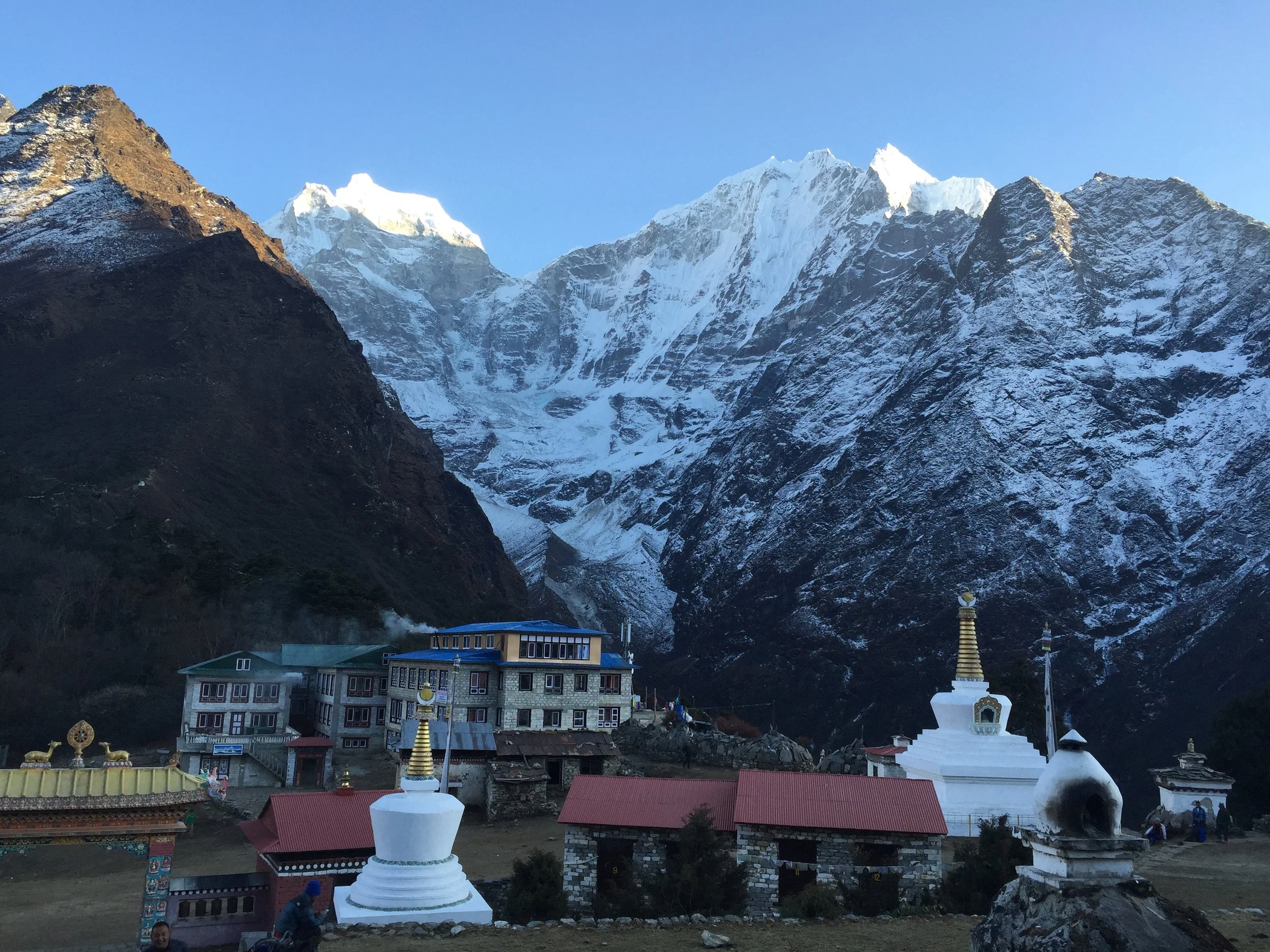
After breakfast, we leave Namche and continue higher into the Khumbu Valley.
The trail traverses along the hillside with expansive views before descending to the river at Phunki Tenga, where we’ll stop for lunch.
After lunch, we’ll begin our final and steady climb toward Tengboche, home to the region’s most important monastery. After passing Tengboche, the trail will descend through a forested terrain to Deboche.
The day includes a mix of gradual ascents and descents and is taken at a steady, intentional pace. We’ll take regular breaks along the way to rest, hydrate, and support acclimatization.
Accommodation: Mountain Lodge Deboche
Apr
3
Day 5 – Acclimatization
Route: Namche Bazaar → Everest View Point → Namche Bazaar
Start altitude: 11,286 ft (3,440 m)
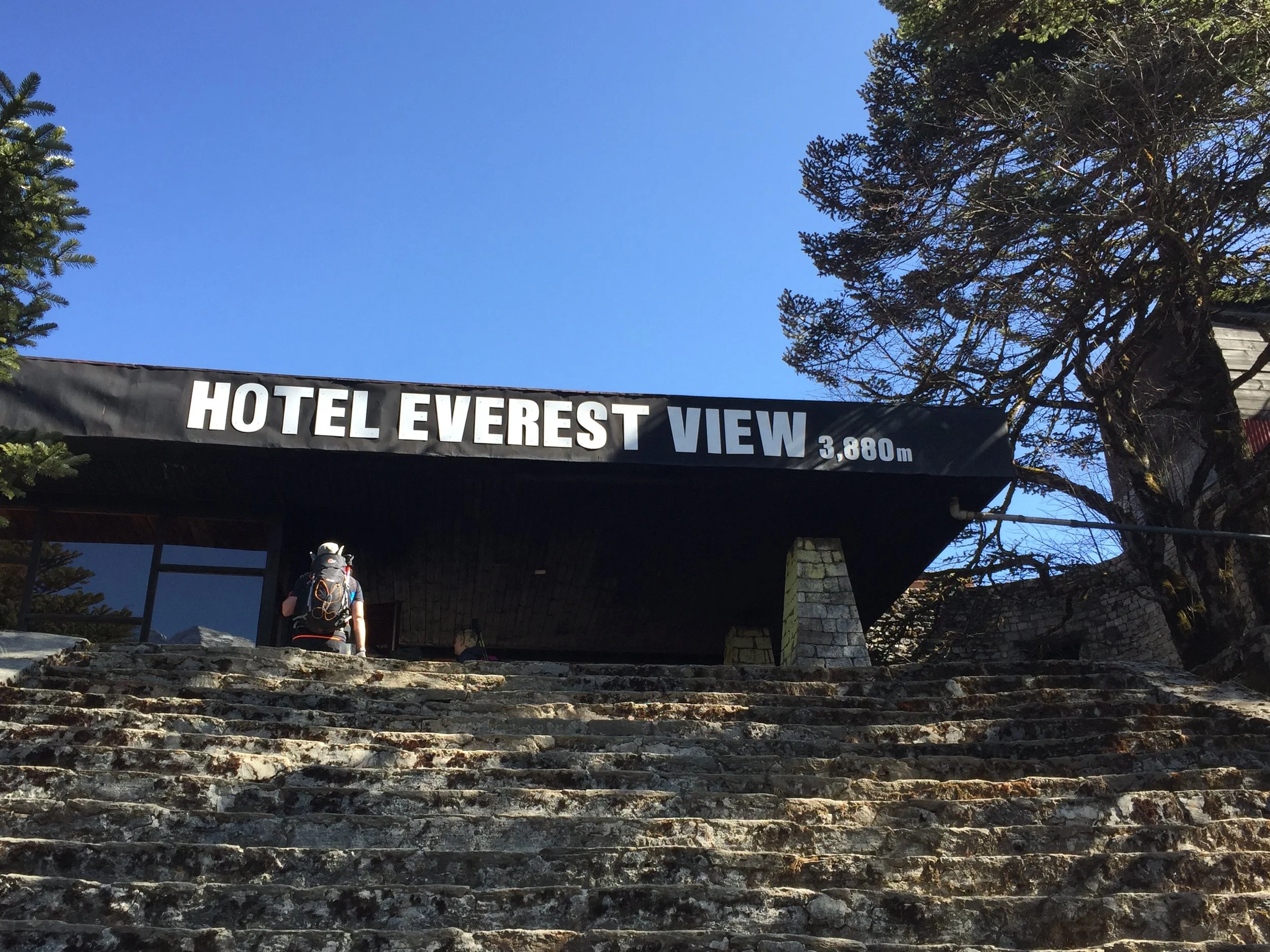
Highest point: ~12,729 ft (3,880 m)
End altitude: 11,286 ft (3,440 m)
Distance: ~2.4 miles (4 km) round-trip
Elevation gain: ~1,443 ft (440 m)
Estimated walking time: 2–3 hours
After breakfast, we’ll head out for a gentle acclimatization hike above Namche. The pace will be slow and intentional, allowing the body to adjust to the increasing altitude.
The trail climbs gradually toward the Everest View Point, offering clear views of Everest, Lhotse, and Ama Dablam on a good-weather day. We’ll take our time, pausing often to hydrate, rest, and take in the surroundings.
We’ll have lunch at the Everest Hotel before descending back to Namche.
The afternoon is free to rest, journal, explore Namche, or relax at the lodge. This down day is an important part of the acclimatization process.\
Optional: Foot massage
Accommodation & Dinner: Khumbu Lodge
Apr
2
Day 4 – Into the Khumbu
Route: Monjo → Namche Bazaar
Start altitude: 9,350 ft (2,850 m)
End altitude: 11,286 ft (3,440 m)
Distance: ~3.1 miles (5 km)
Elevation gain: ~1,969 ft (600 m)
Estimated trekking time: 4–6 hours
After breakfast, we begin our trek toward Namche Bazaar, the main trading hub of the Khumbu region.
We’ll complete our permit registration with local authorities shortly after departing. The registration gate is located next to our hotel and typically takes about 20 minutes.
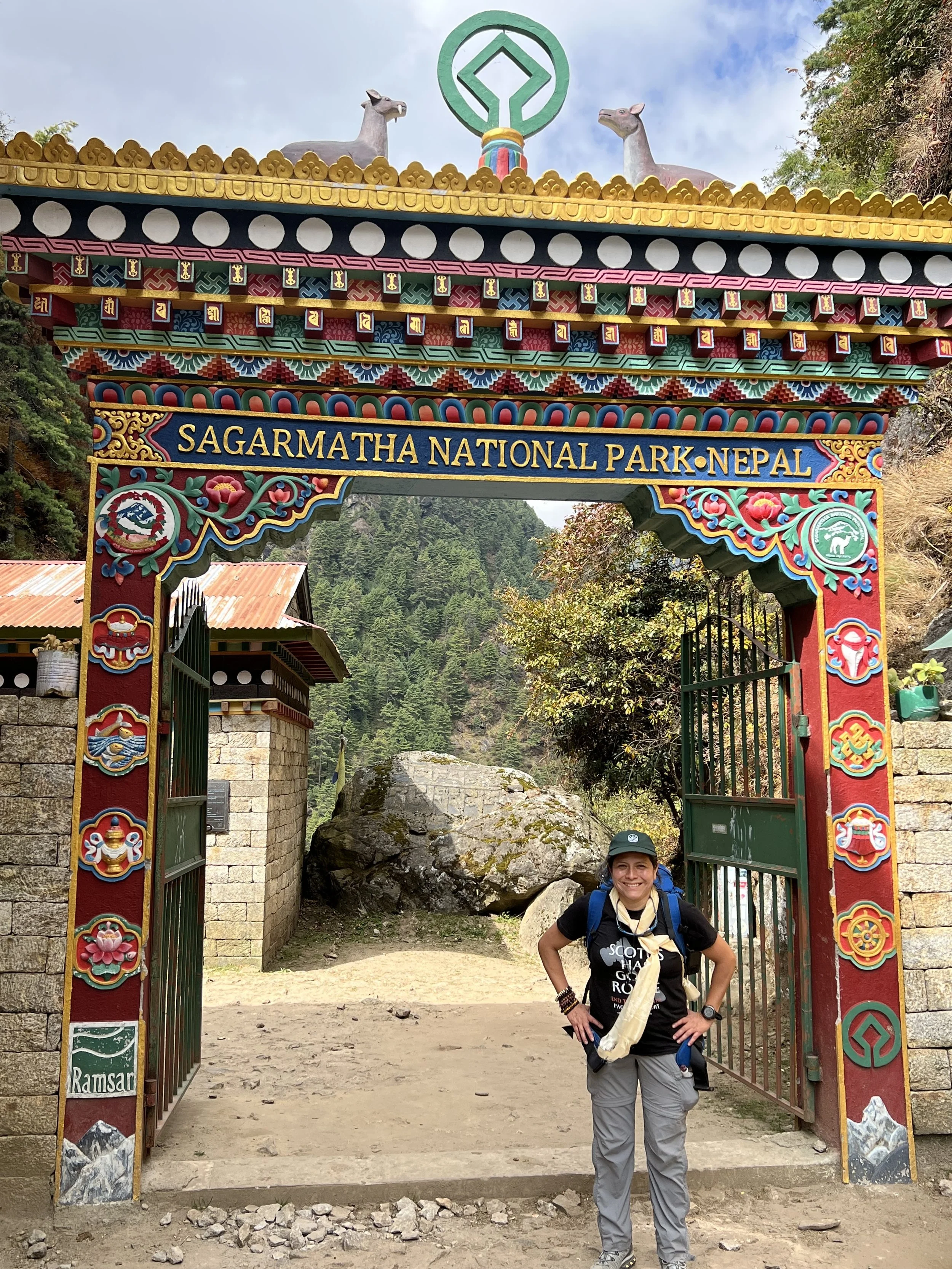
The trail follows the Dudh Koshi River before entering Sagarmatha National Park at Jorsale. Along the way, we’ll cross several suspension bridges, including the iconic Hillary Suspension Bridge.
The bridge is adorned with prayer flags. This is where we’ll leave our first flag with intention. At the end of the bridge, there’s space to pause, breathe, and release energy before continuing onward (maybe a little screaming).
After crossing the bridge, the trail shifts into a zigzag ascent toward Namche. This section is the most physically demanding part of the day. The climb is steady and intentional, with frequent pauses to support acclimatization.
We’ll take several breaks along the way. Once we complete registration at the Namche gate, the remaining walk to the hotel is approximately 30 minutes.
We’ll visit the The Mountain Medical location in Namche for our first official checks.
Accommodation: Khumbu Lodge
Apr
1
Day 3 – Start of Trek
After breakfast at The Dwarika’s, we’ll transfer to the heliport for our morning departure.
The helicopter flight to Phakding will take approximately 40 minutes.
Route: Phakding → Monjo
Start altitude: 8,563 ft (2,610 m)
End altitude: 9,350 ft (2,850 m)
Distance: ~1.8 miles (3 km)
Elevation gain: ~900 ft (300 m)
At Phakding, we’ll meet our porters and begin our first walk of the trek with a short hike to Monjo.
The trail follows the Dudh Koshi River, crossing suspension bridges along a gentle, scenic path.
This is the shortest trekking day, designed to ease the body into the rhythm of the journey with a gradual ascent. Monjo is the entrance to Sagarmatha’s National Park.
Accommodation: Mountain Lodge Monjo
Mar
31
Day 2 – Kathmandu (Preparation Day)
After breakfast, we’ll gather for a group briefing to review the latest weather updates with our logistics team and complete a light equipment check.
We’ll then head to Thamel for morning shopping. I’ll share a short list of trusted shops based on common trek needs. In advance, please let me know if there’s anything specific you’re hoping to purchase, such as sleeping bags, down layers, or other essential gear.
Lunch will be in Thamel. In the afternoon, we can either visit a few local organizations or take in the sights and sounds of Kathmandu.
On our return from the trek, there will be additional time for more curated shopping, including high-quality pashmina shawls, Thangka paintings, and artisan crafts such as wood carvings and singing bowls.
I strongly recommend booking a massage ahead of the trek. Kathmandu is known for excellent spas, and this can be a meaningful way to prepare the body. Massage scheduling is optional.
Dinner will be at The Dwarika’s.
Mar
30
Day 1 – Arrival in Kathmandu
Arrival in Kathmandu.
Kathmandu airport is always busy and chaotic, so please ensure your visa is processed in advance to allow for a smooth arrival.
https://nepaliport.immigration.gov.np/online
After collecting our luggage, we’ll transfer to the hotel. No other activities that evening. Just time to rest, hydrate, and recover from international travel.
Accommodation: Stay at The Dwarika’s
Altitude: 4,344 ft (1,324 m)
Mar
30
Day 0 - Hong Kong for the Day
Visiting Hong Kong
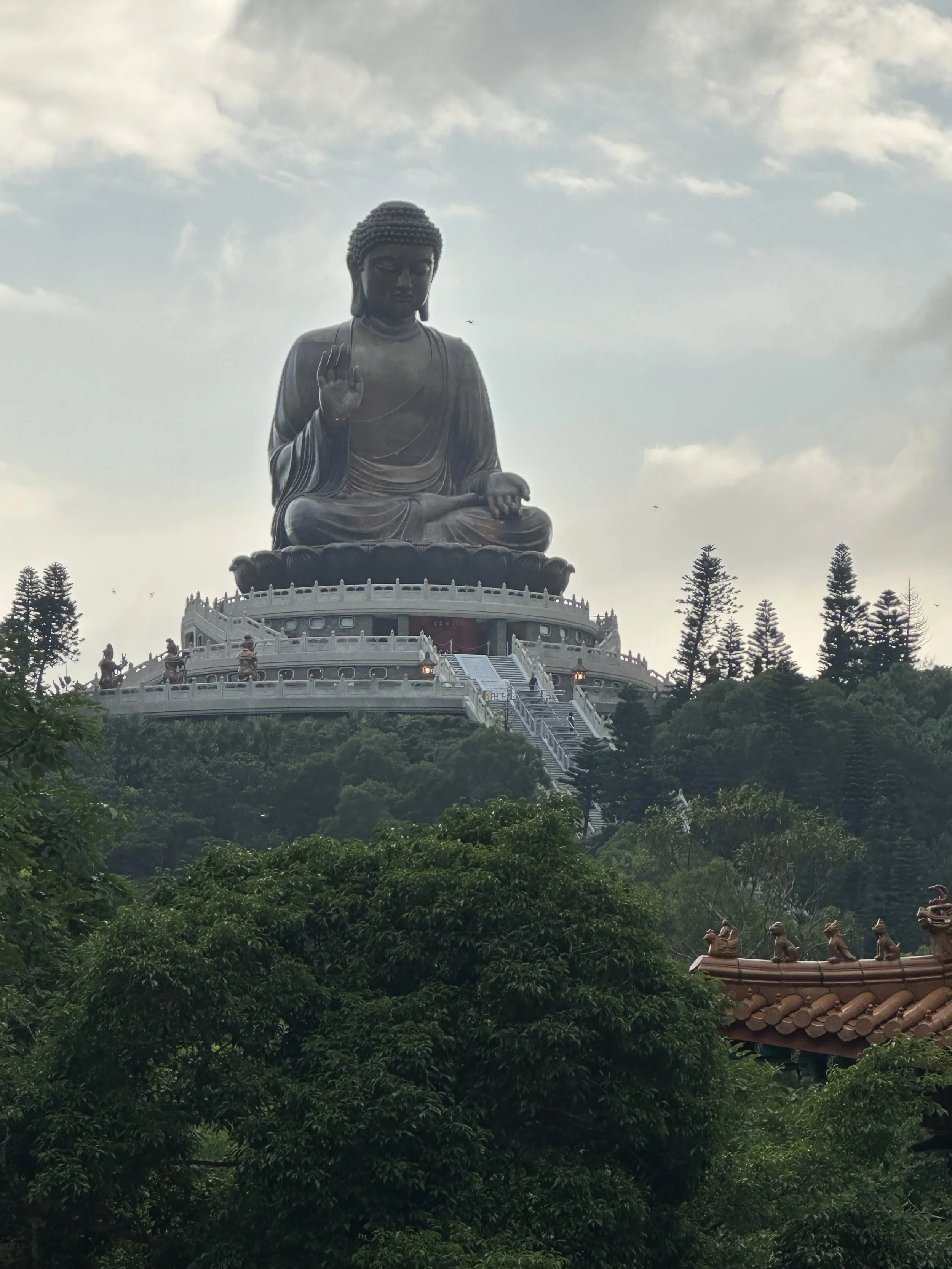
For those of us arriving in Hong Kong, we’ll start the early morning with a visit to Po Lin Monastery on Lantau Island. I’ve been visiting this monastery since my first Everest Base Camp trek in 2005, and it never stops taking my breath away.
Home to the world’s largest outdoor bronze Buddha, Po Lin offers a moment of stillness and intention before the journey continues. We’ll spend the morning at the monastery, then return to the city for lunch or dim sum before our evening flight onward.
Mar
28
to Mar 30