Everest Base Camp + Tibet (Kailash)
Strategic Gear Framework
A performance-driven system designed for high-altitude, multi-phase expeditions across Nepal and Tibet.
1. Operating Reality
• Nepal: dynamic temperatures, structured trekking, early-stage comfort
• Tibet: colder, drier, wind-exposed, limited infrastructure
• Gear must perform across movement, rest, and extreme elevation shifts
Core System: Layering Wins Everything
Layering is not about staying warm. It’s about regulating temperature, moisture, and energy output in constantly changing conditions.
Mornings begin cold, the sun heats quickly, and wind exposure shifts throughout the day. Your system must allow you to add, remove, and vent layers continuously without stopping momentum.
Zippers matter more than people think. Even small ventilation adjustments during climbs can significantly impact comfort and energy.
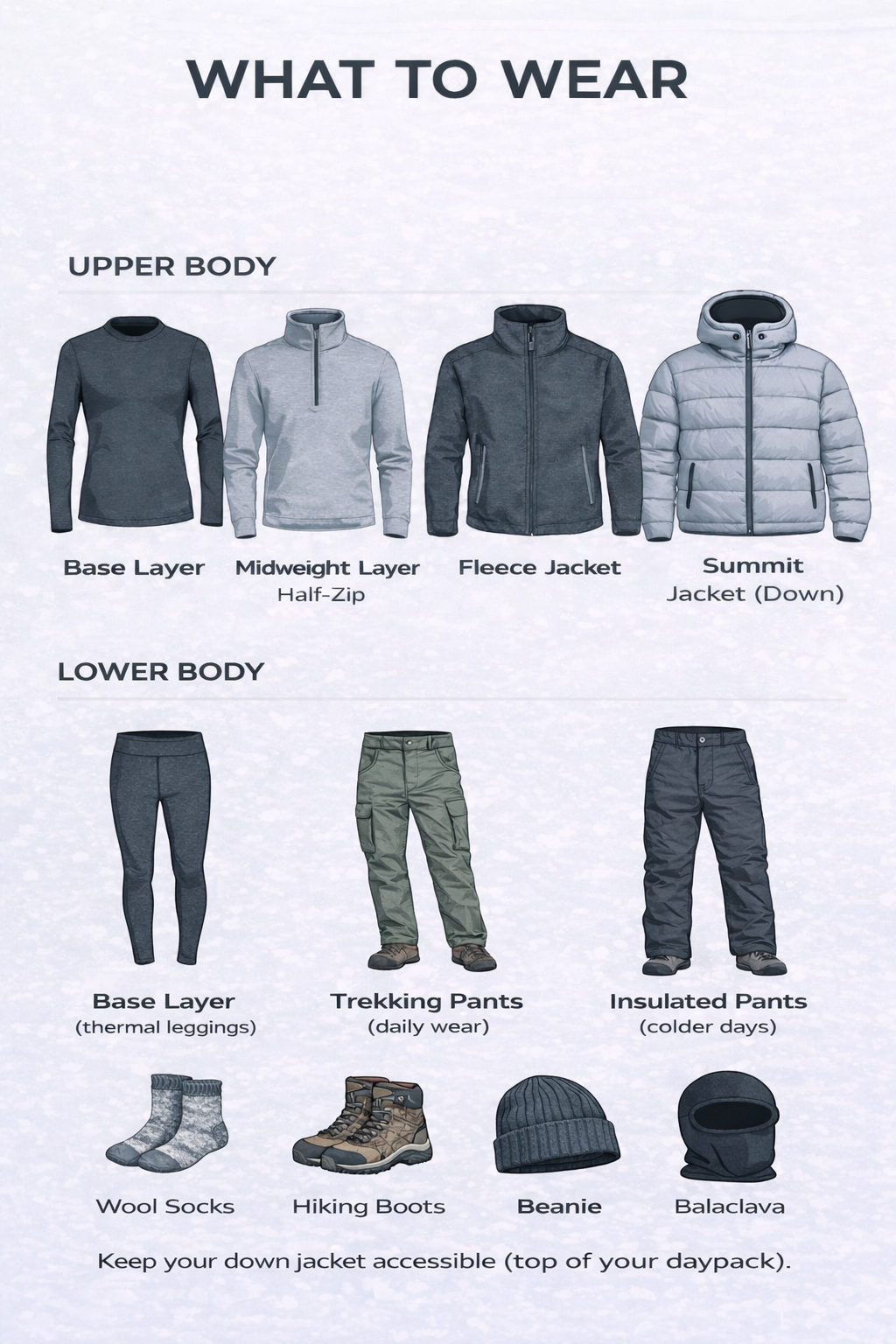
Upper Body (4-Layer System)
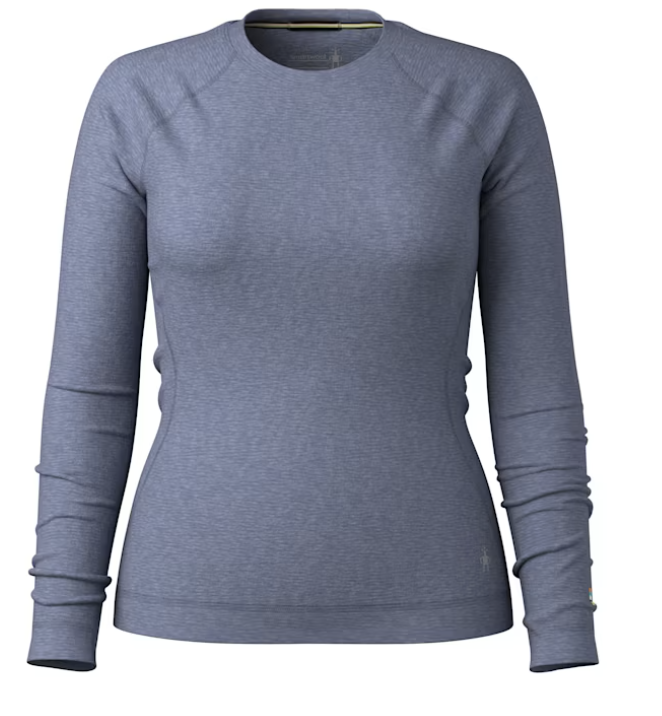
Base Layer → moisture management
Worn against the skin, this is your most important layer. It regulates temperature by pulling moisture away from the body.
Wool or high-quality synthetics only.
Plan for 2 tops, with an optional third for sleep.
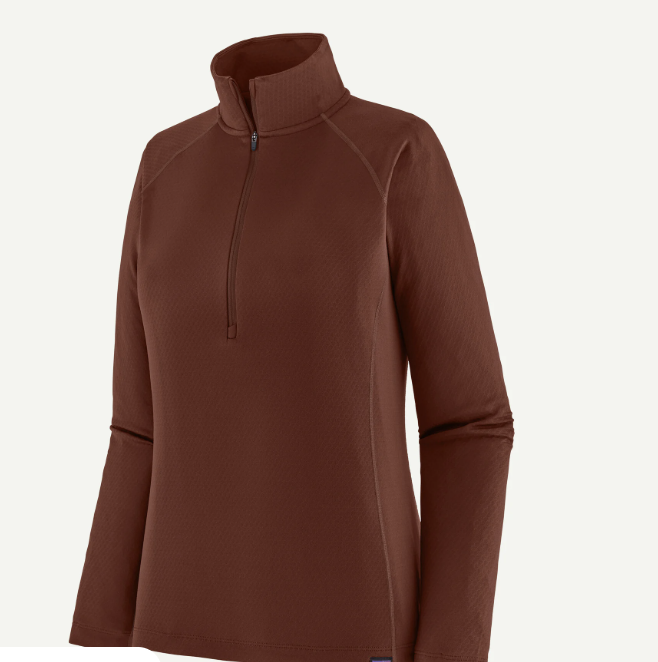
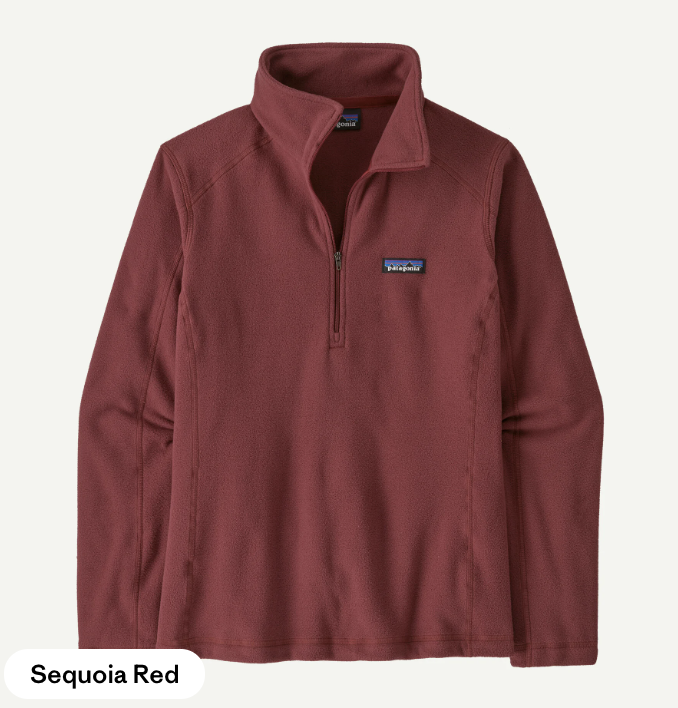
Midweight (half-zip) → heat regulation during movement
Worn over your base layer. The half-zip allows you to release heat during climbs without removing layers. This is your primary “active adjustment” layer.
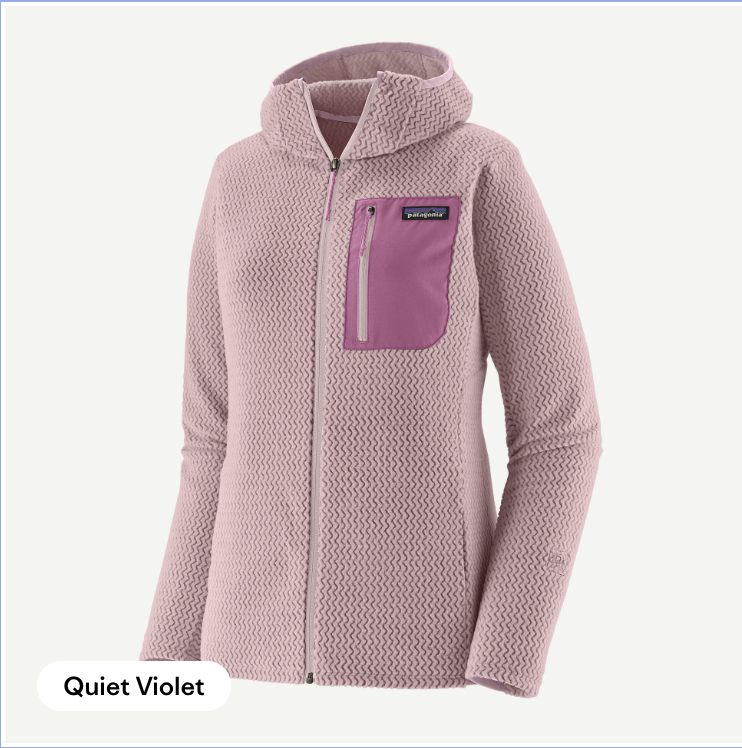
Fleece → active insulation
Provides warmth while remaining breathable. Ideal for cool mornings and steady movement. A full-zip fleece allows fast temperature control.
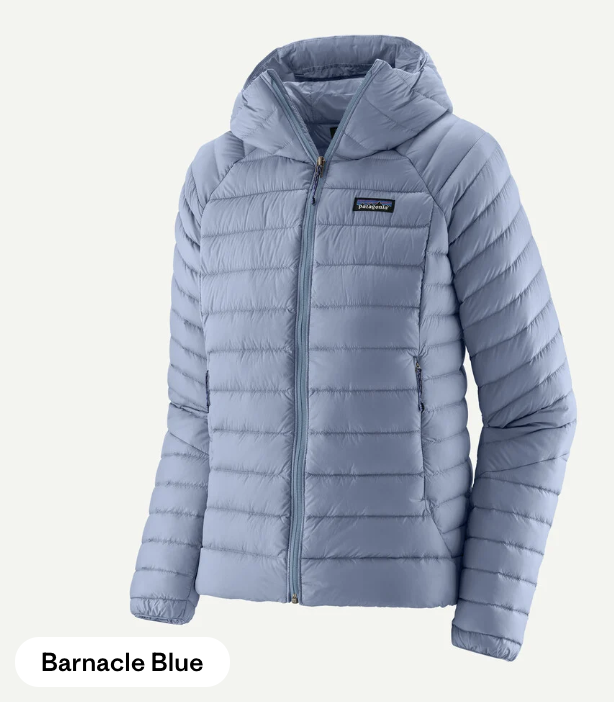
Shell + Down → protection + survival warmth
Shell (Gore-Tex): blocks wind and weather. Critical as exposure increases beyond Dingboche and into Tibet
Down jacket: used during rest, early mornings, and high-altitude stops. This is not a hiking layer, it’s your recovery and protection layer
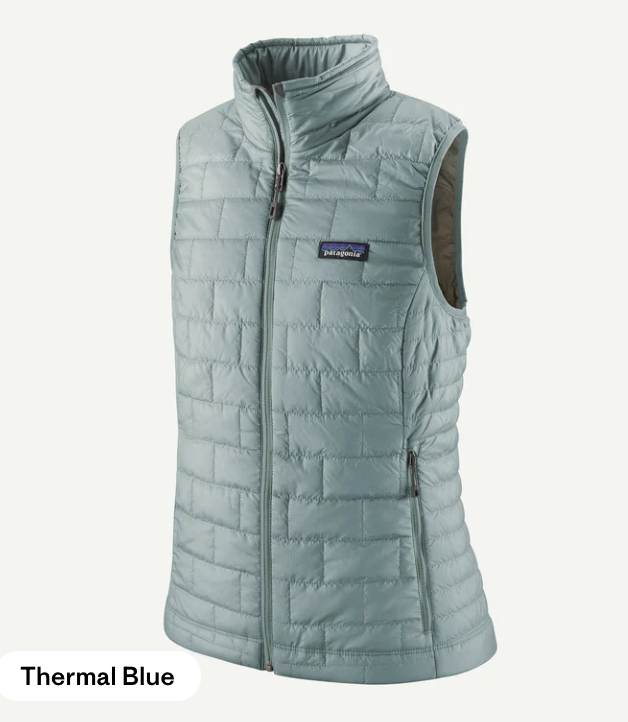
Optional Insulated Vest
On warmer days (or for resting) trekking in a vest can offer welcome warmth without overheating. It provides core insulation while allowing airflow through the arms, making temperature regulation easier. Plus, you can wear it in the city!
Lower Body System
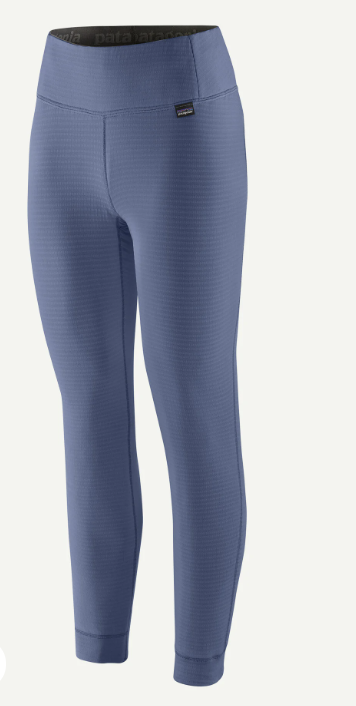
Base Layer → essential at altitude
A midweight layer for daily trekking, plus a heavier thermal option for the final days (EBC + Kailash).
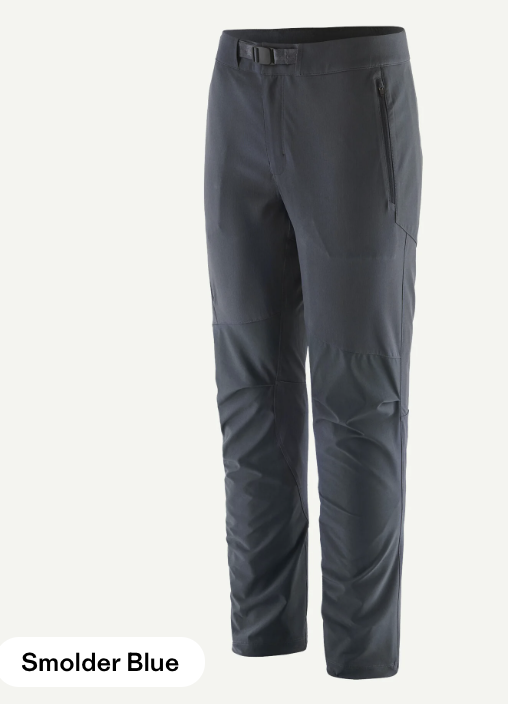
Trekking Pants → daily driver
Your most-used item. Must allow full mobility, layer easily, and remain comfortable across long days of ascent, descent, and rest stops.
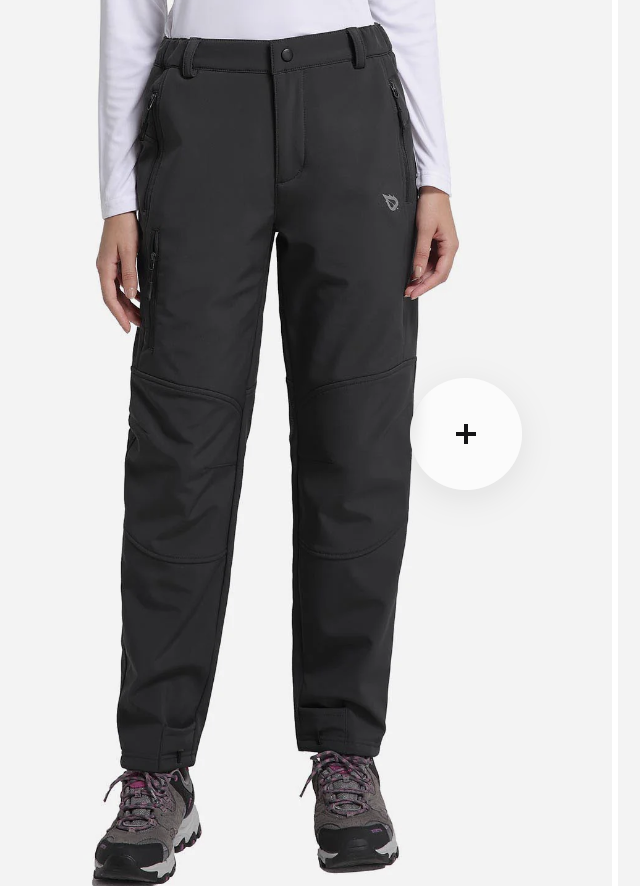
Insulated Layer → final phase protection
Used in the coldest sections of Kailash.
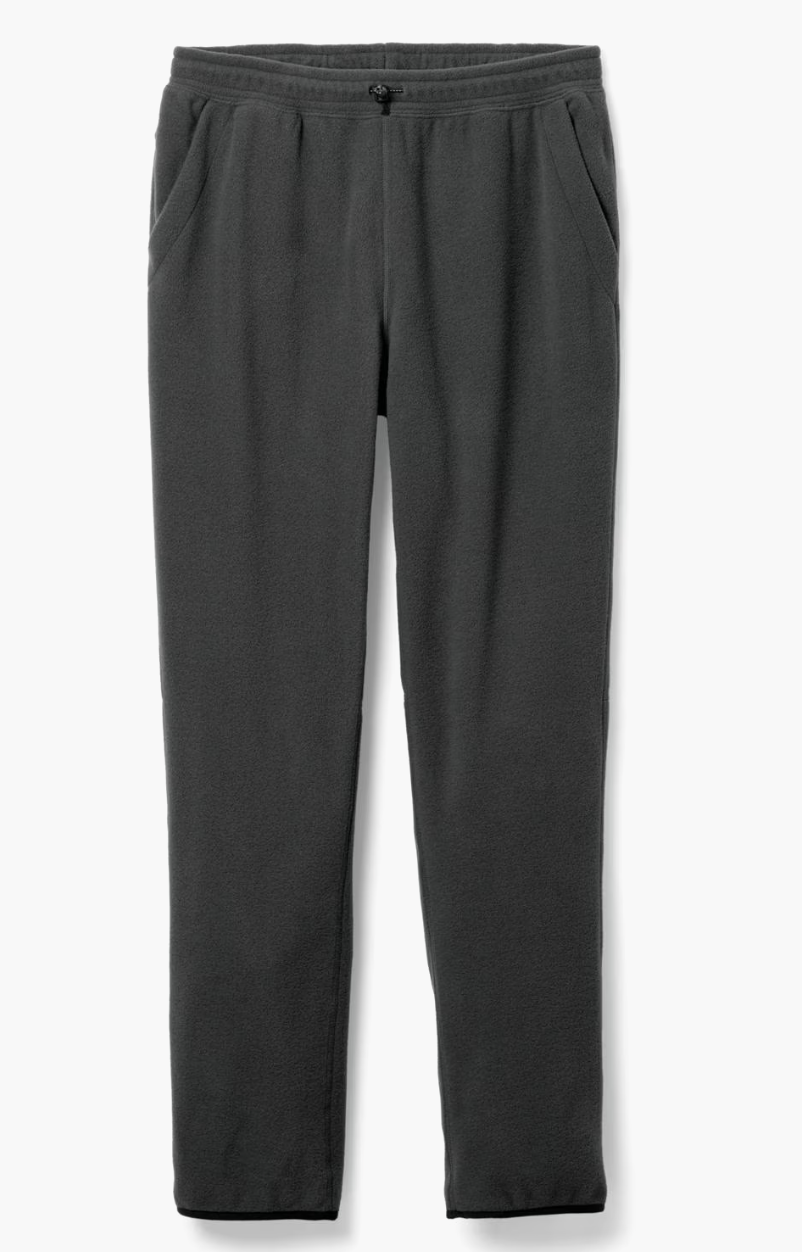
Comfortable Fleece Pants
Comfortable fleece pants for evenings and rest in tea houses. These add warmth at night and help the body recover after long trekking days.
Footwear
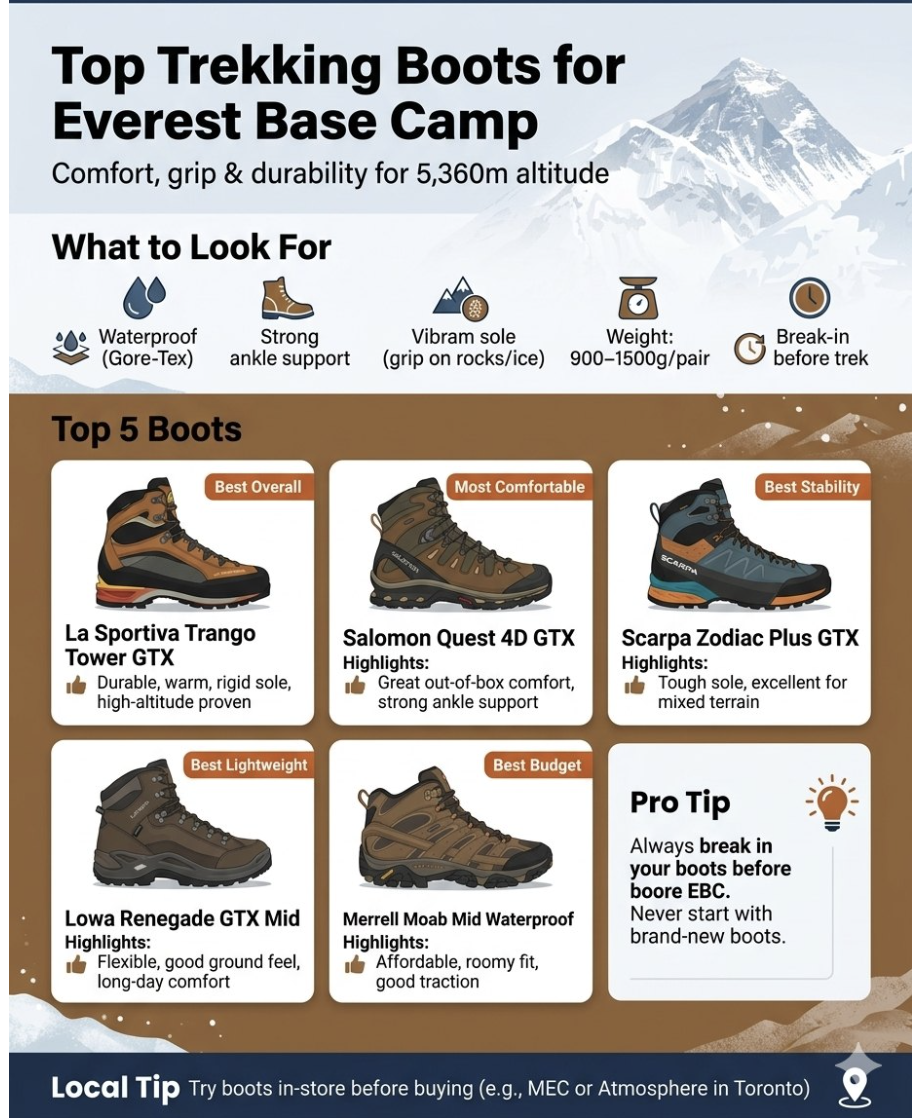
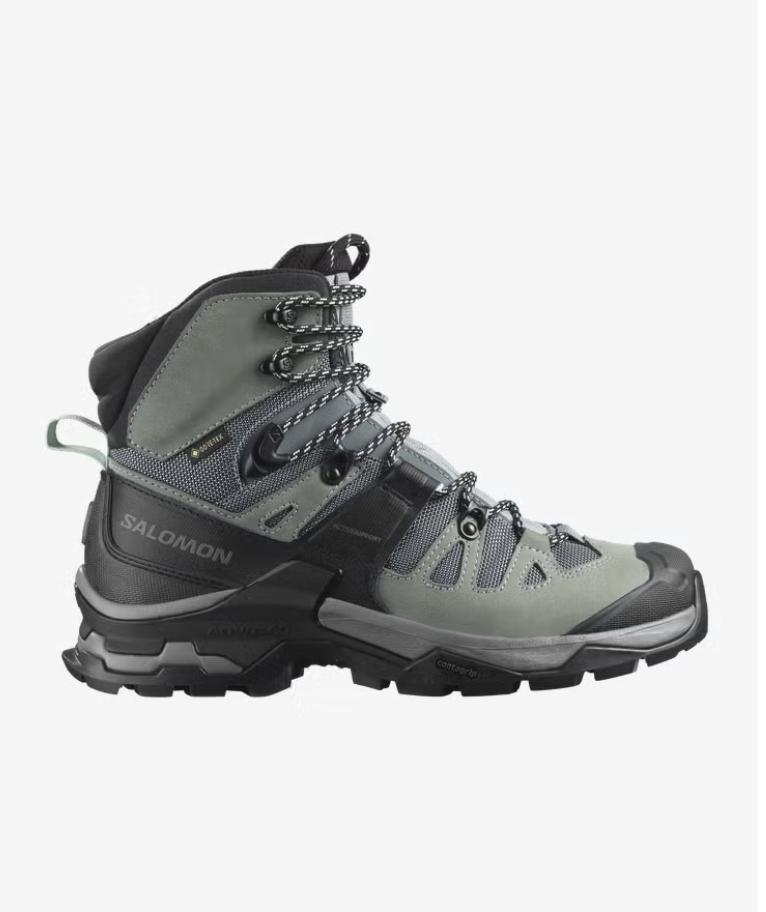
Your boots are your most important gear. Choose a well-broken-in trekking boot that offers comfort, stability, and support for long days on uneven terrain.
Avoid new boots. Fit and reliability matter more than brand.
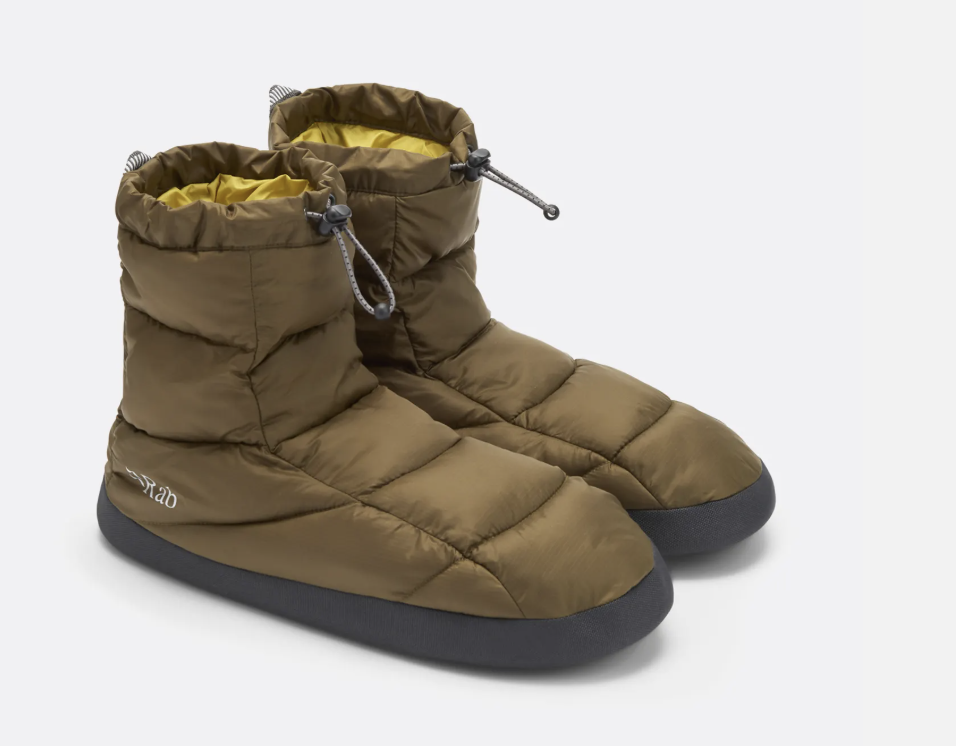
Optional: down booties are a worthy splurge for warmth and comfort during evenings and recovery.
Socks
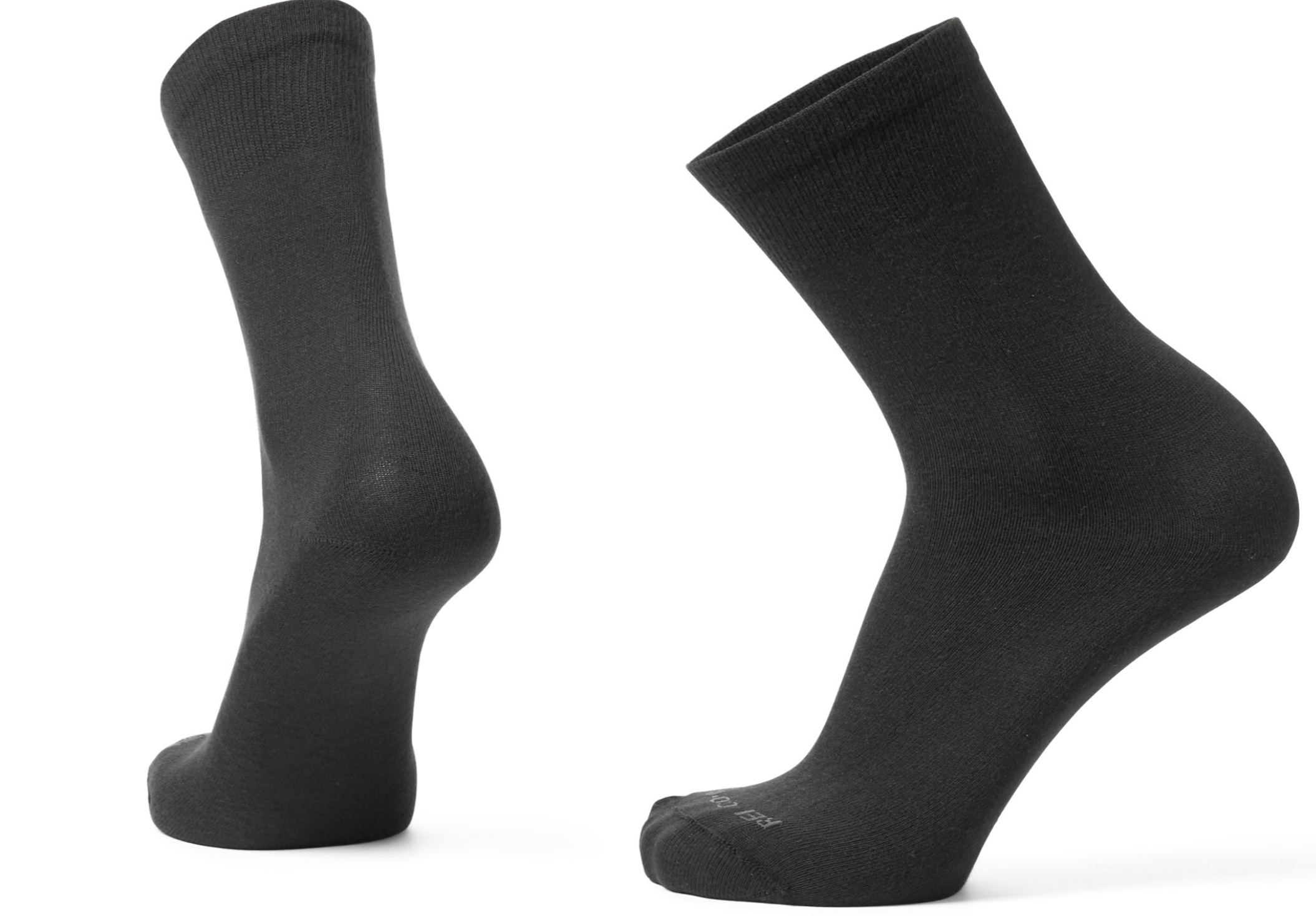
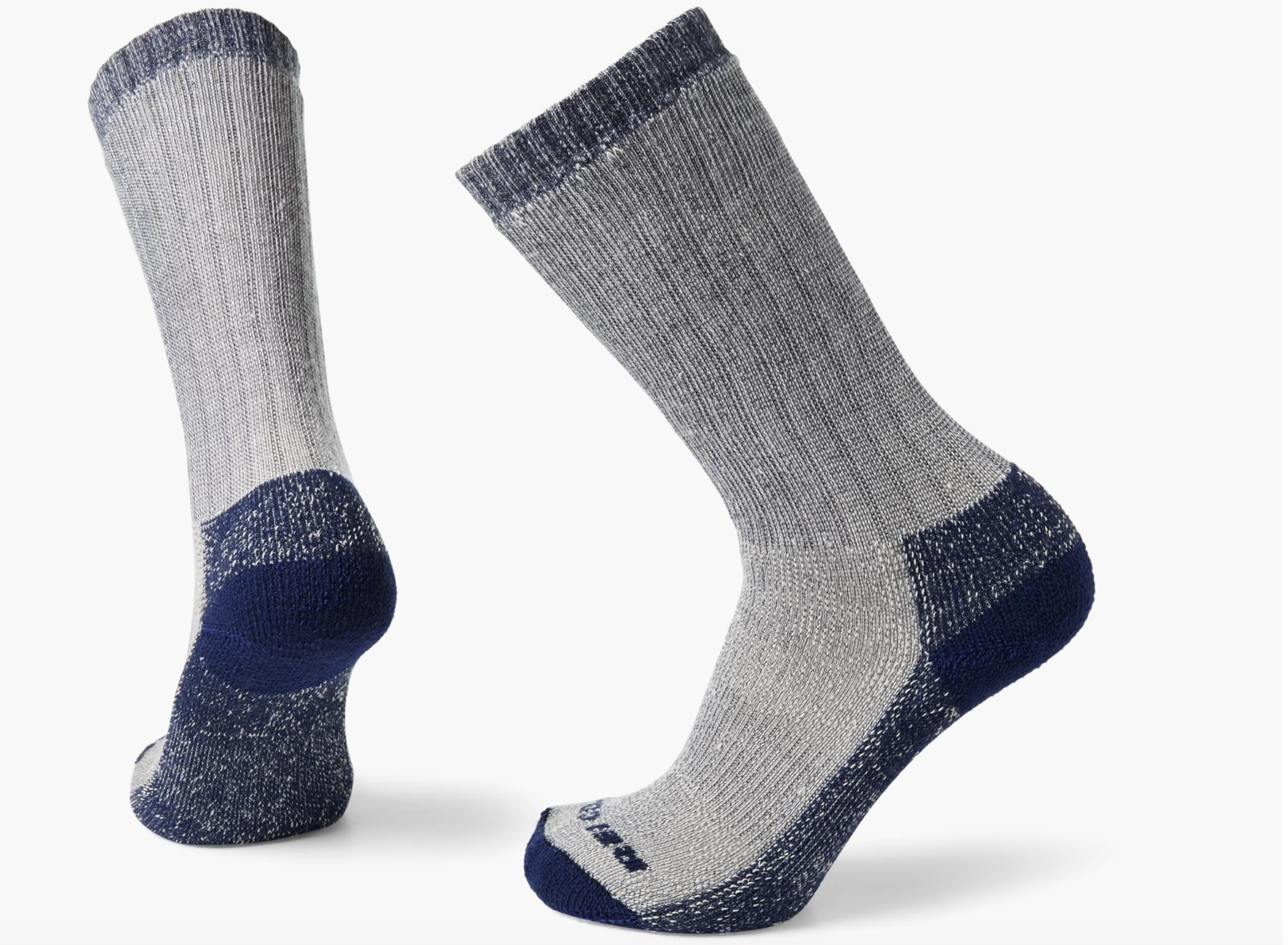
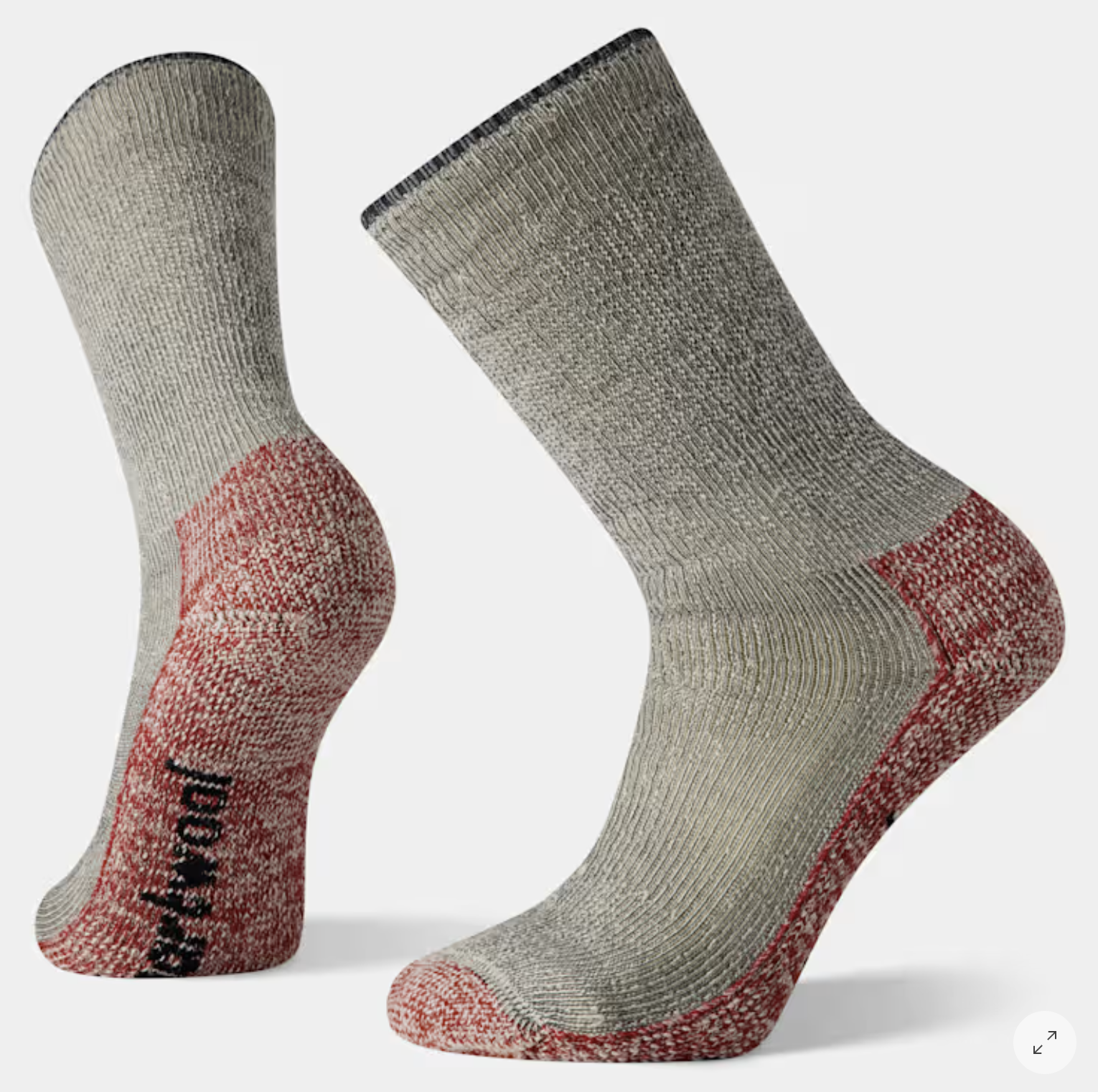
Socks are critical for comfort and blister prevention. Use a simple system: medium-weight socks for trekking, liner socks to reduce friction, and one heavier pair for evening and sleep.
Silk or synthetic liners work best. Wool or wool-blend fabrics perform best at altitude.
Backpack
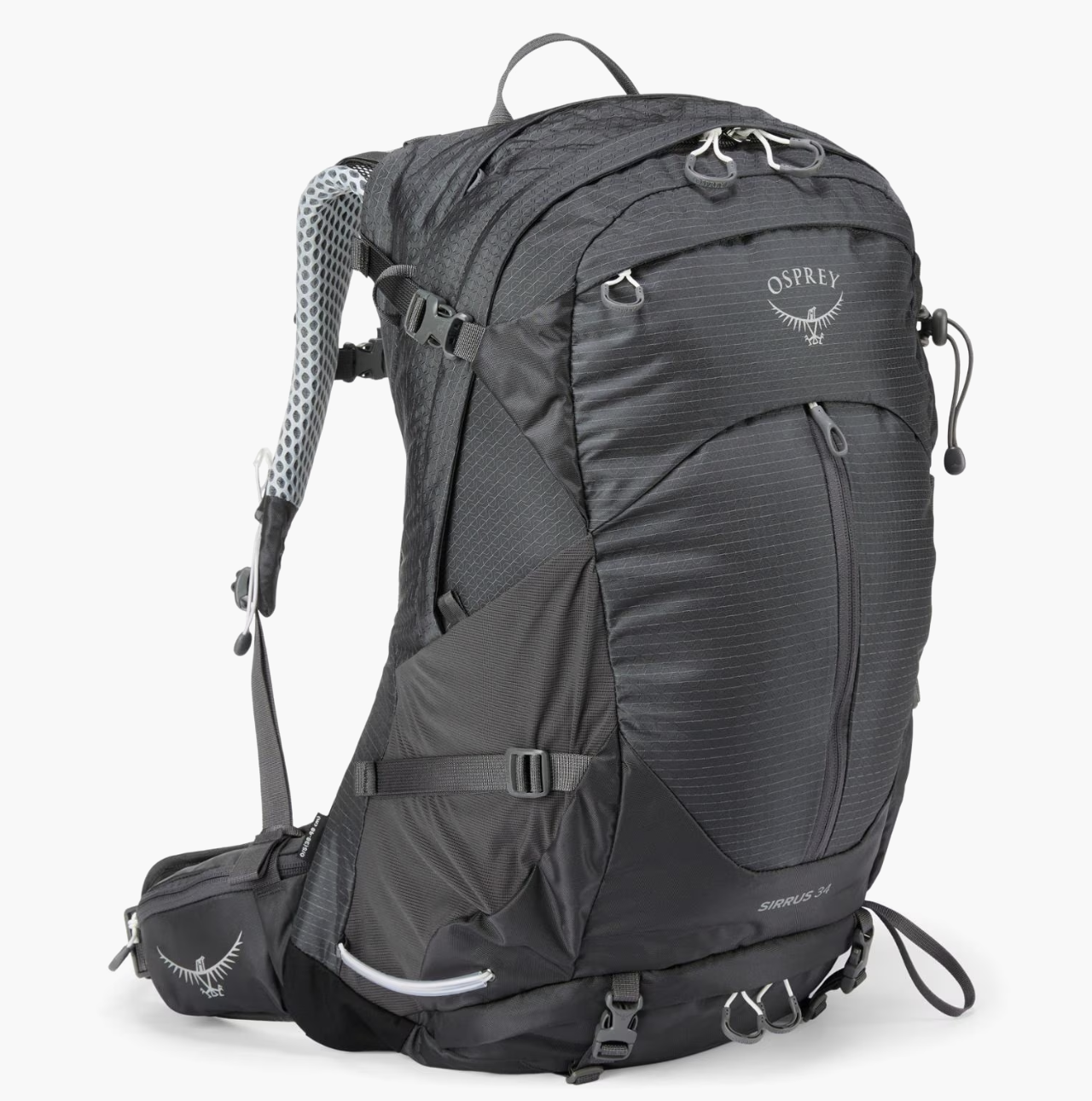
A well-fitting daypack (35–38L) is essential for daily trekking. This is where you’ll carry layers, water, snacks, and essentials.
Comfort and fit matter most, as you’ll wear it for long hours each day
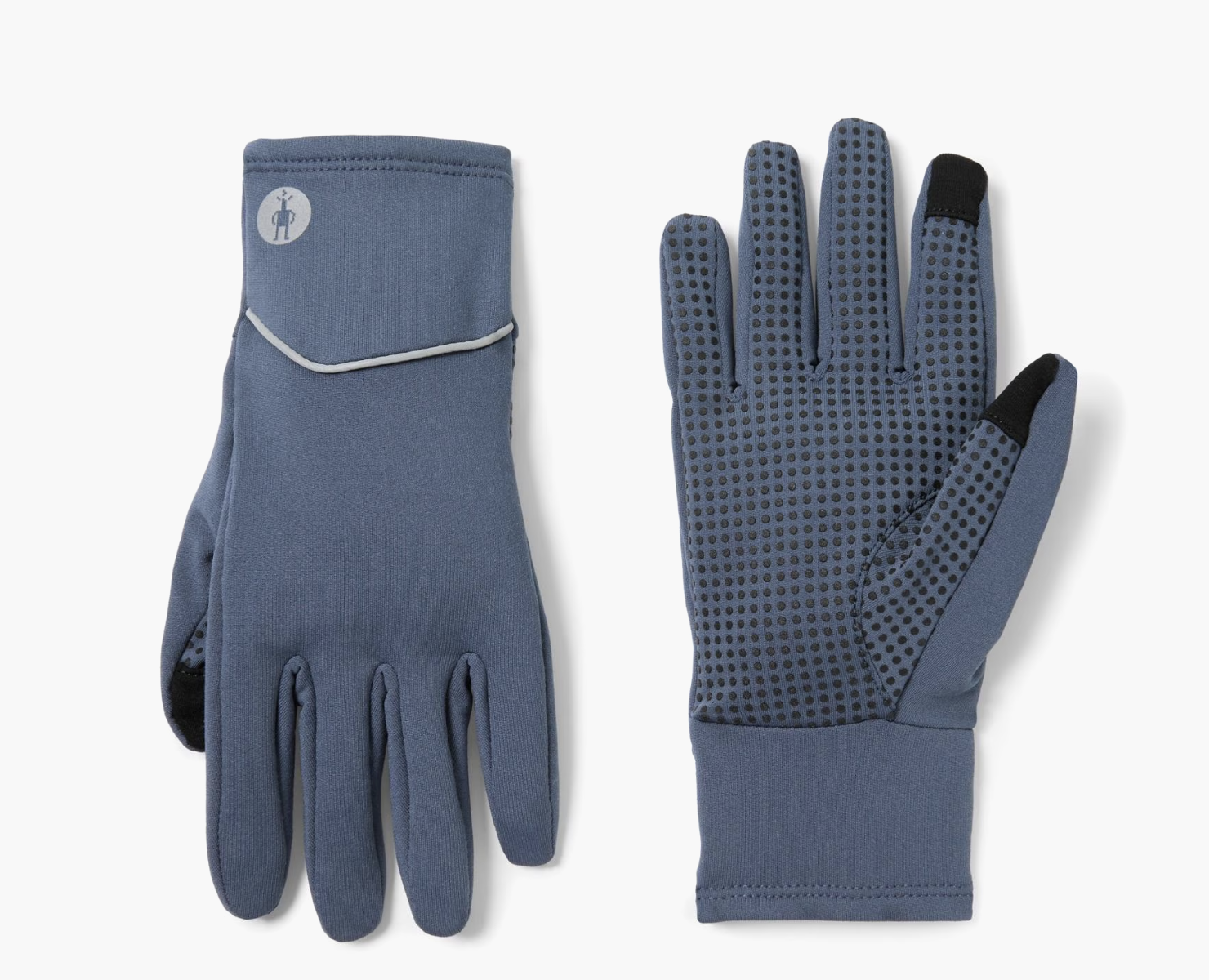
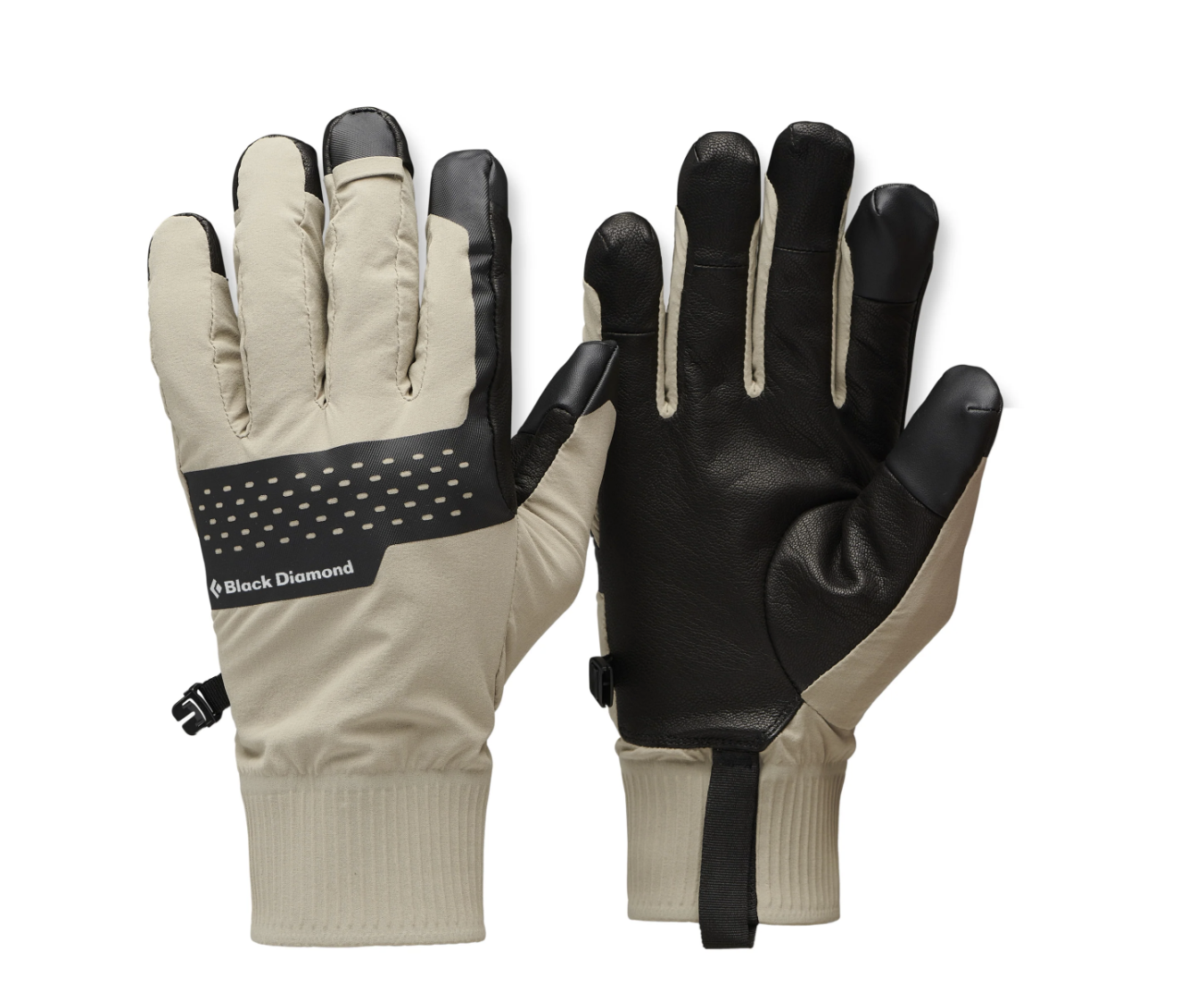
Gloves: Layering for Function, Not Just Warmth
Gloves should be treated exactly like your clothing system — layered, adaptable, and purpose-driven.
Conditions shift constantly between movement and rest, sun and wind, Nepal and Tibet. The right glove system allows you to stay warm without overheating and maintain dexterity when it matters.
The 4-Level Glove System
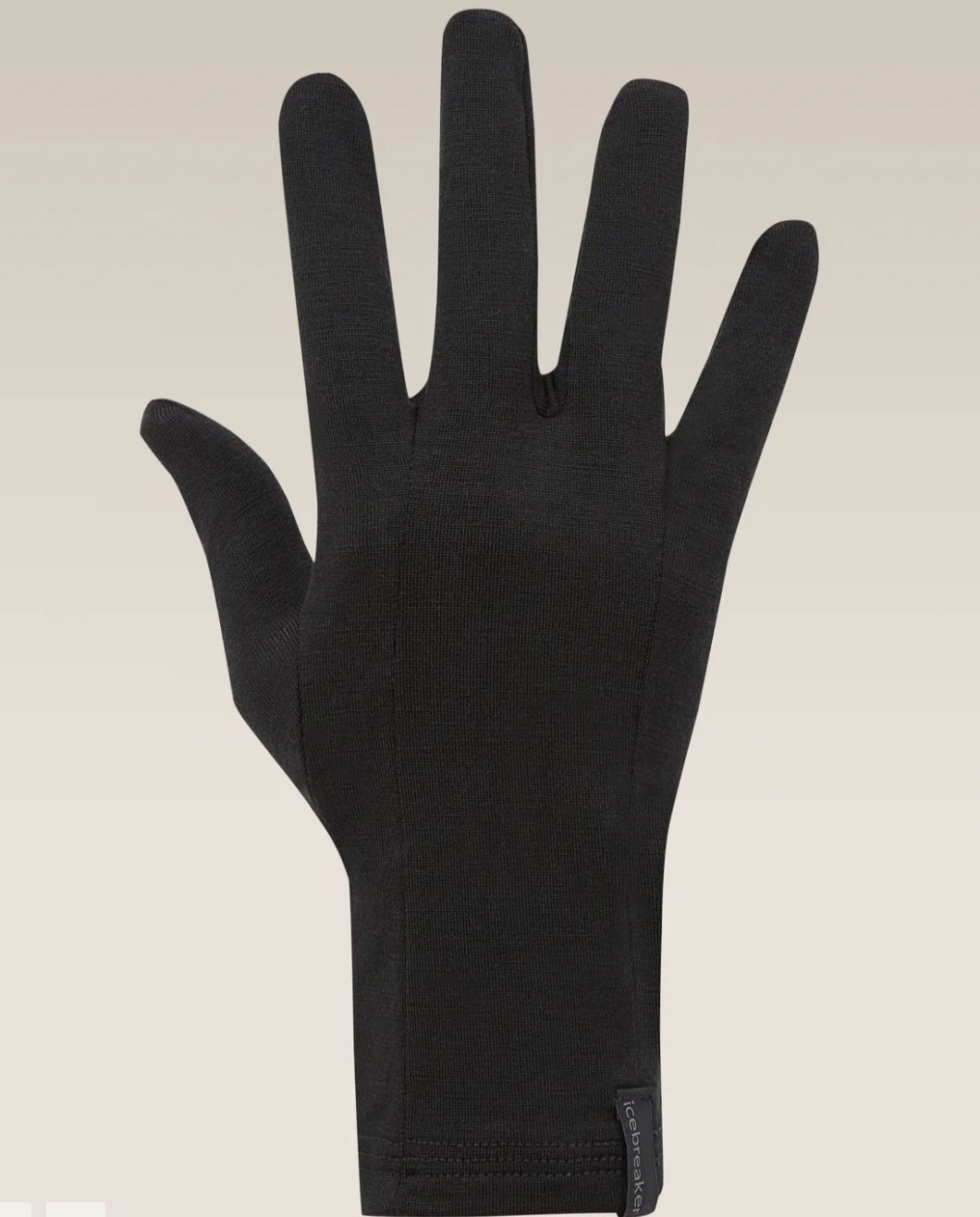
1. Merino Liners → base / dexterity
Lightweight and breathable. Used alone or under other gloves. Essential for handling gear.
2. Fleece Gloves → daily use
Your main glove. Balanced warmth and breathability for active trekking.
3. Softshell Gloves → wind + cold
Adds protection and insulation for colder, more exposed conditions.
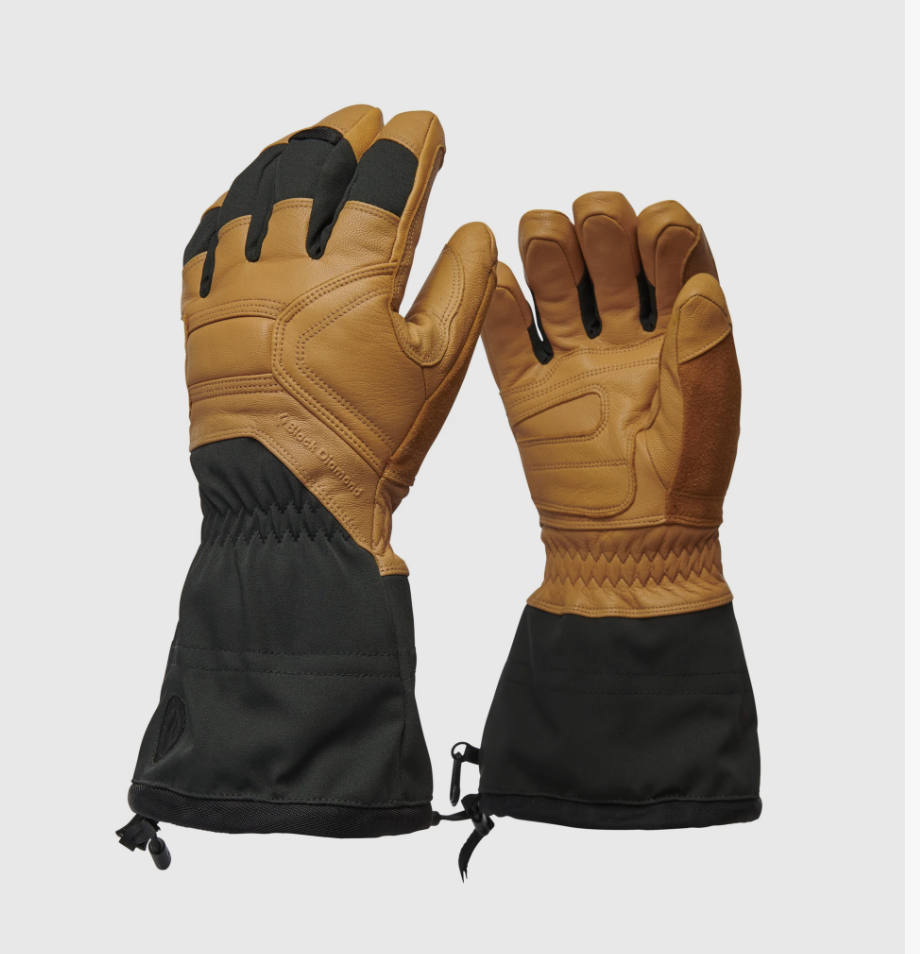
4. Heavyweight Gloves → extreme cold
Maximum warmth for early mornings, EBC, and Tibet. Not for hiking.
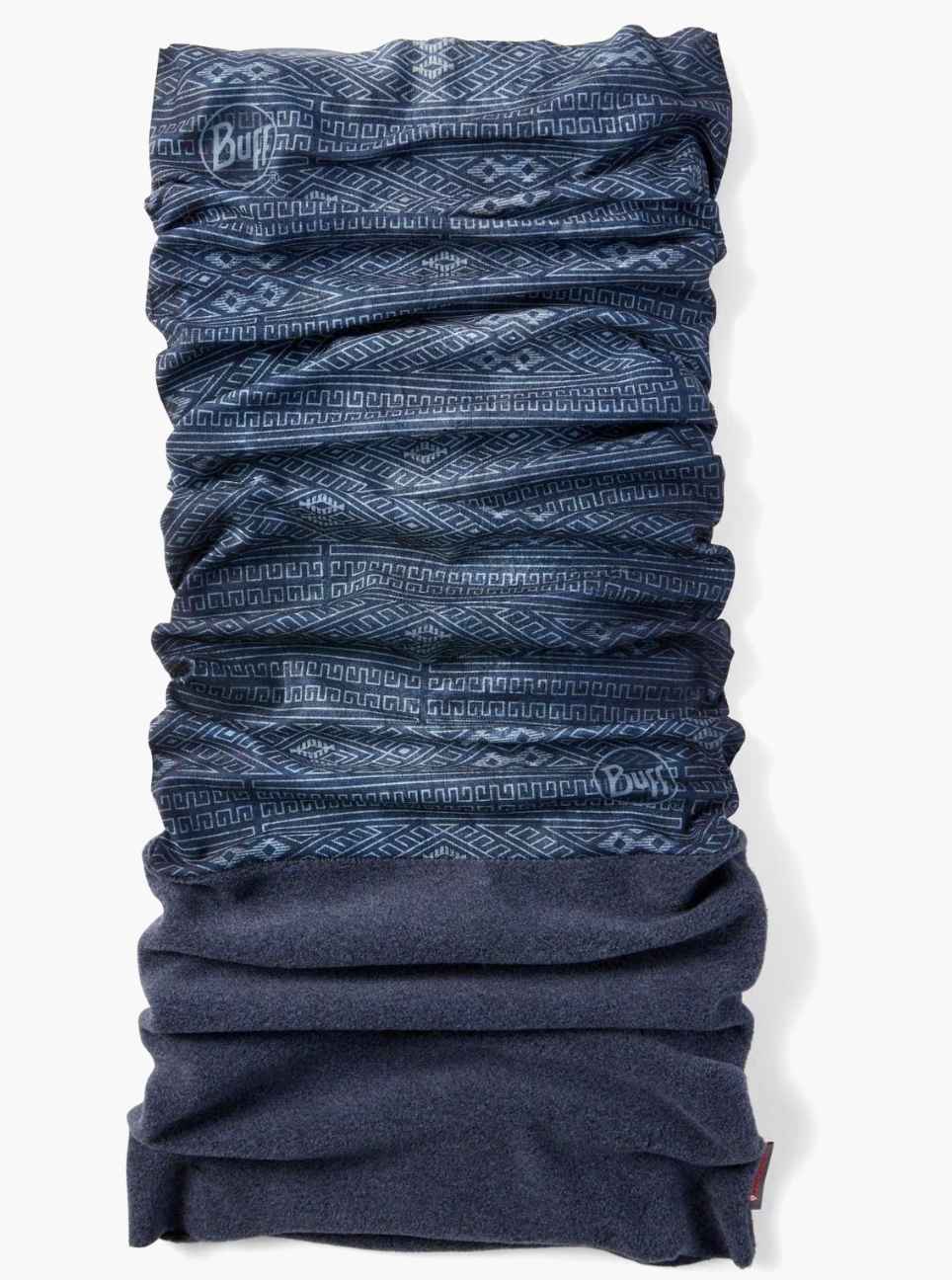
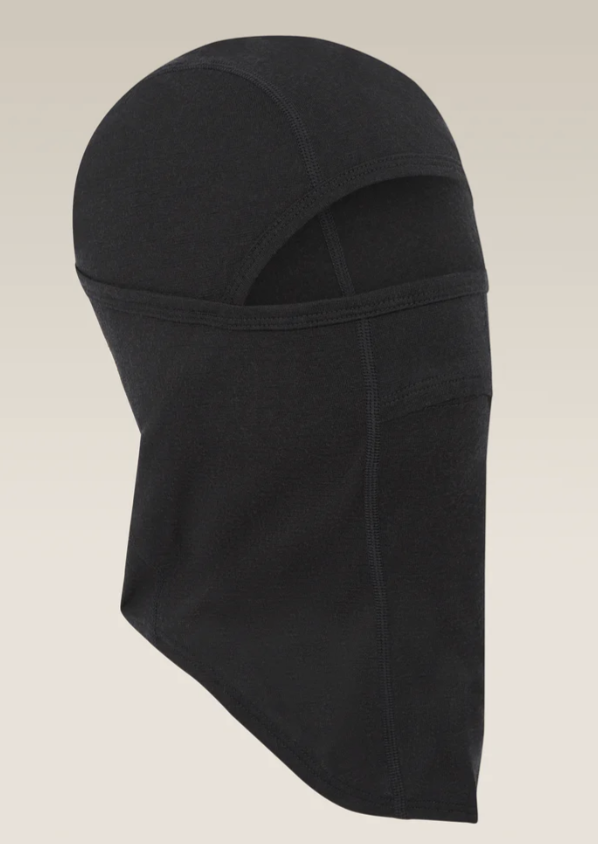
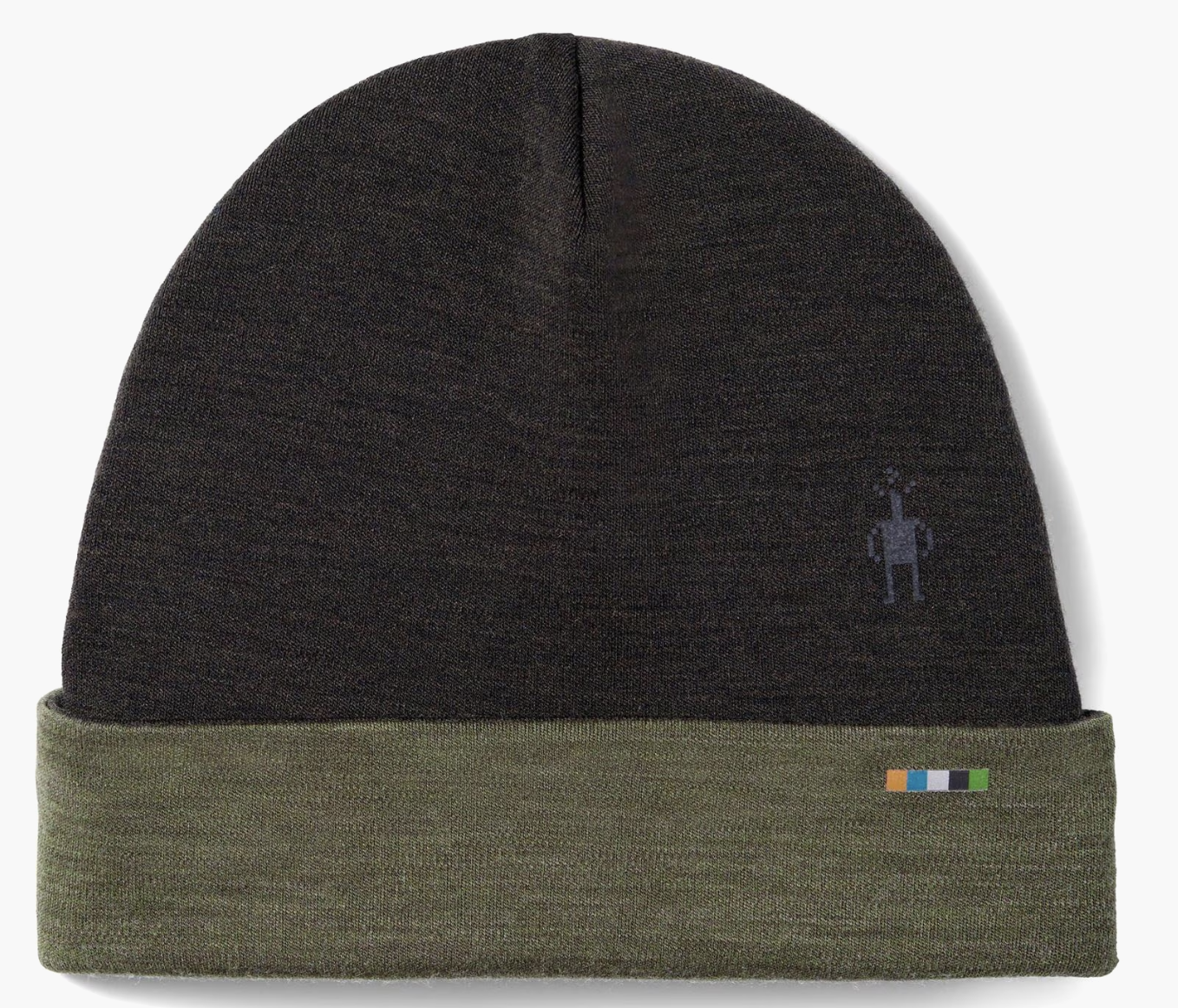
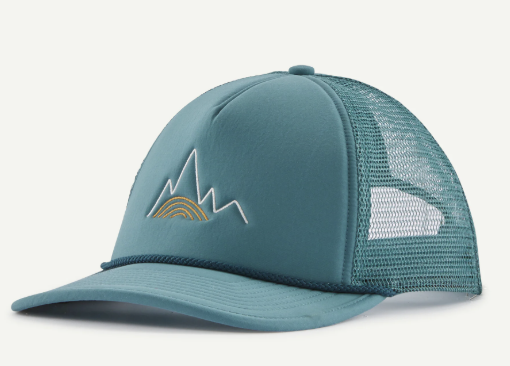
Headwear & Neckwear
Head and neck protection is key for managing cold, wind, and sun exposure. A beanie covers early mornings and higher elevations, while a buff, gaiter, or balaclava adds adaptable protection as conditions change. Sunglasses with strong UV protection are essential at altitude, and a sun cap helps during midday hiking. A balaclava is highly recommended for Kala Patthar and Everest Base Camp
Sleeping System (Kailash)
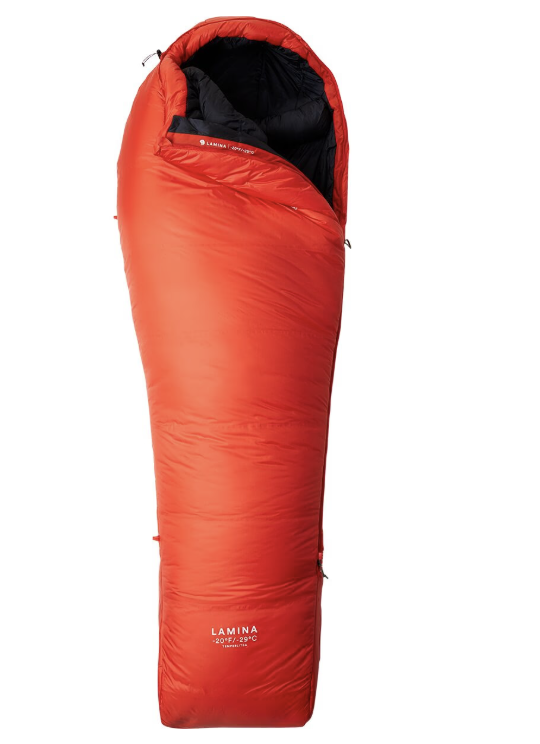
Kailash is colder, more exposed, and less supported than Nepal. A proper sleeping system is essential.
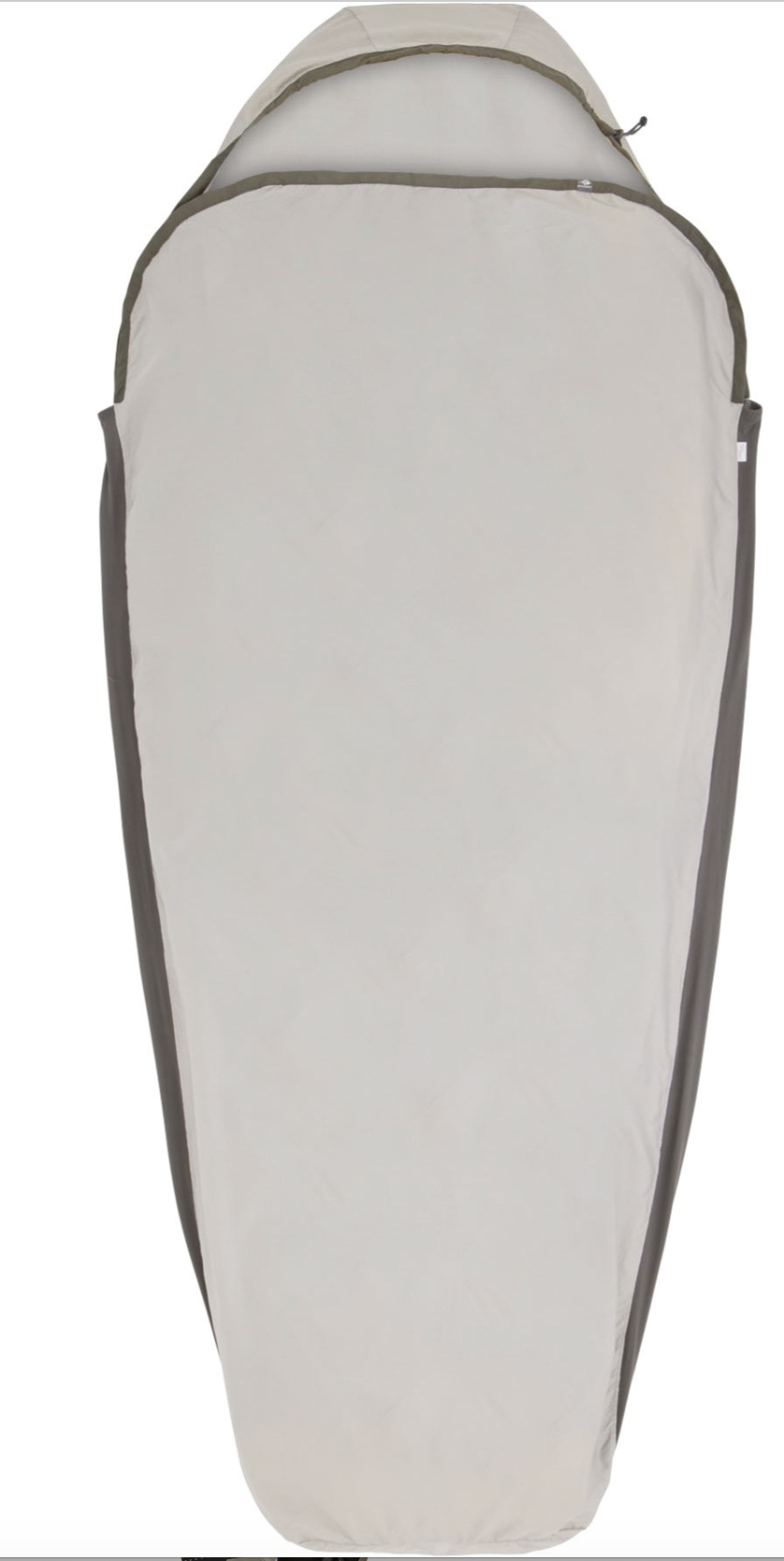
A 0°F-rated sleeping bag is recommended, along with a liner for added warmth and comfort. Sleeping bags can be rented or purchased in Kathmandu
We can rent the sleeping bag from Kathmandu
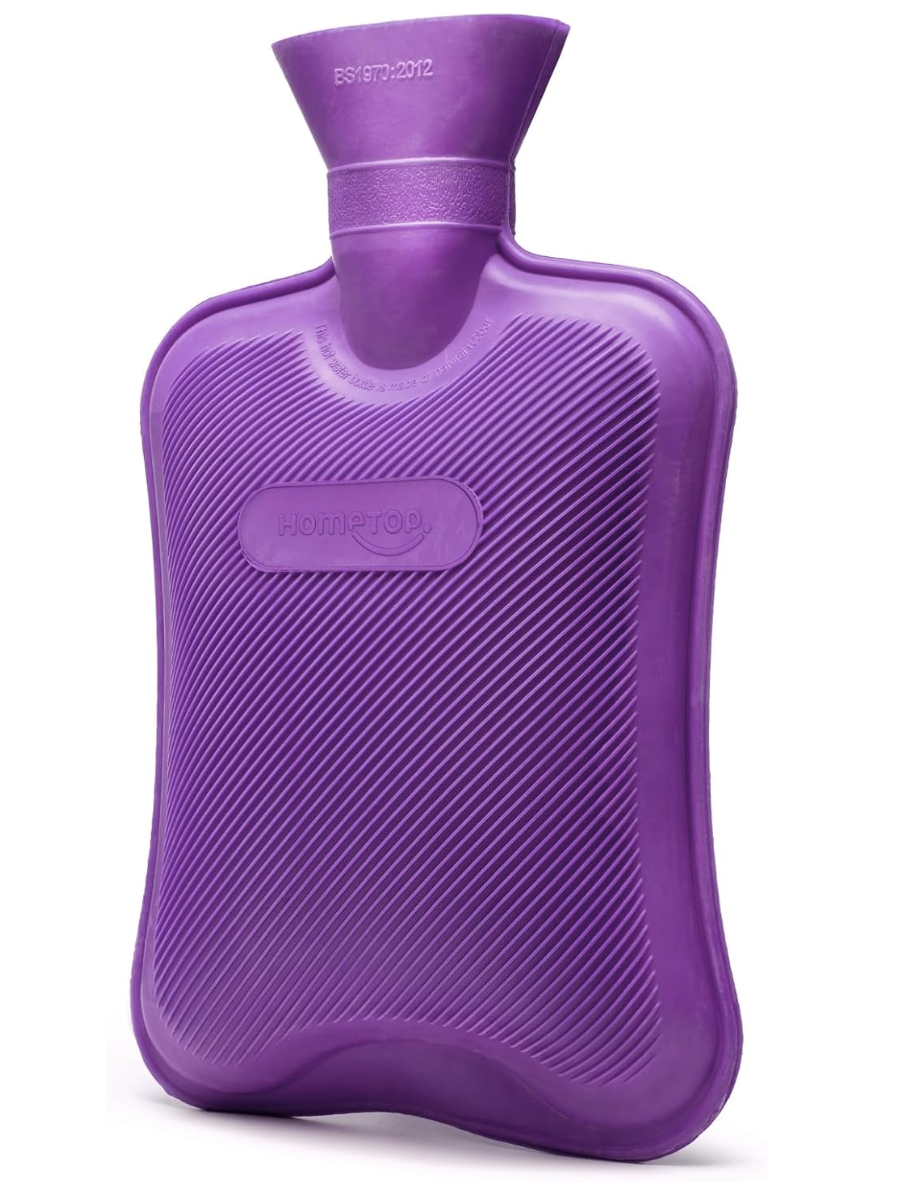
Rubber Hot Water Bottle
A simple but effective comfort item for cold nights. Filled with hot water, it adds warmth inside your sleeping bag and helps the body relax and recover at higher elevations.
Equipment Miscellaneous
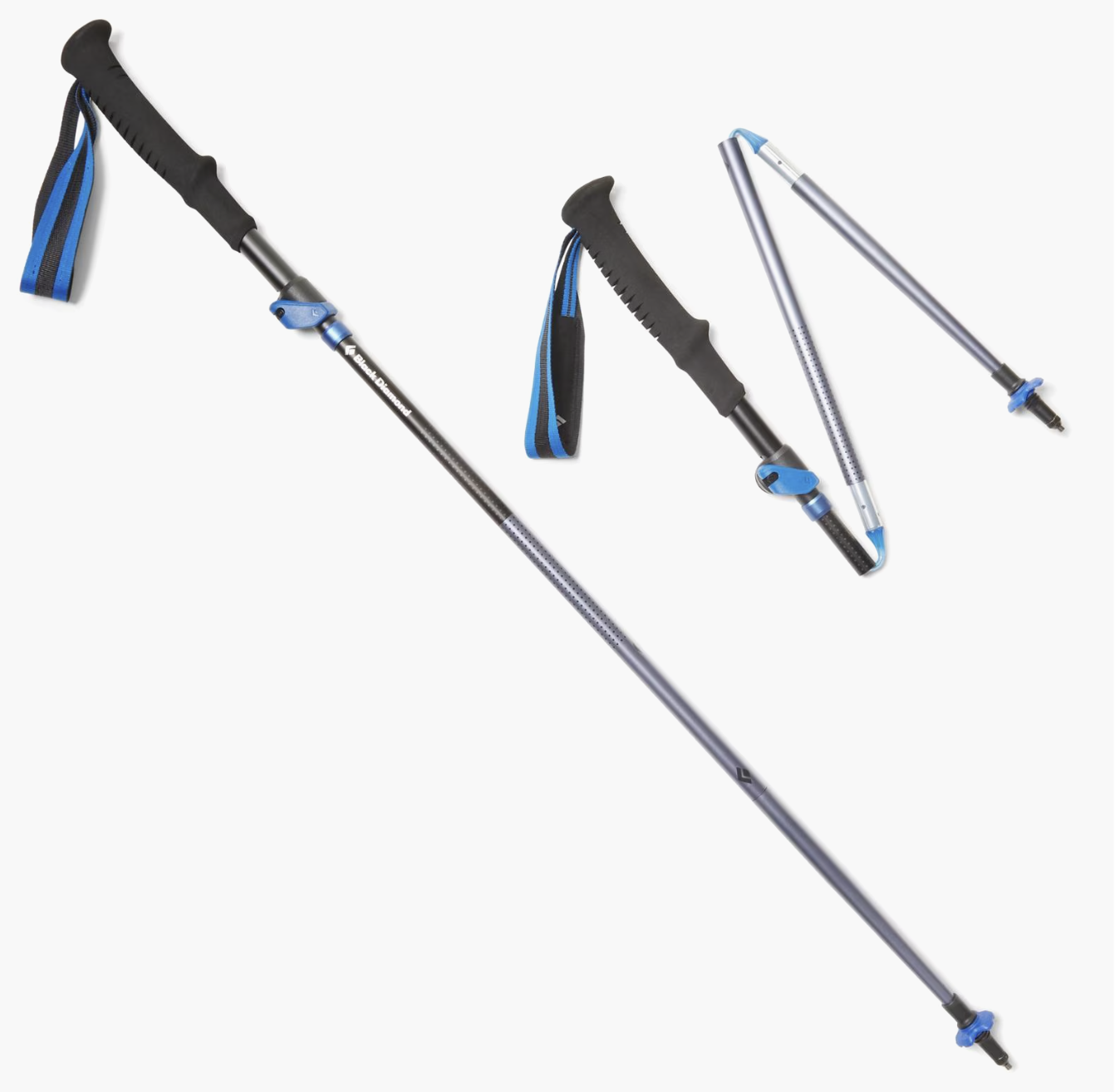
Trekking Poles:
Collapsible trekking or ski poles with adjustable height. Three-section models are preferred for easy packing and versatility.
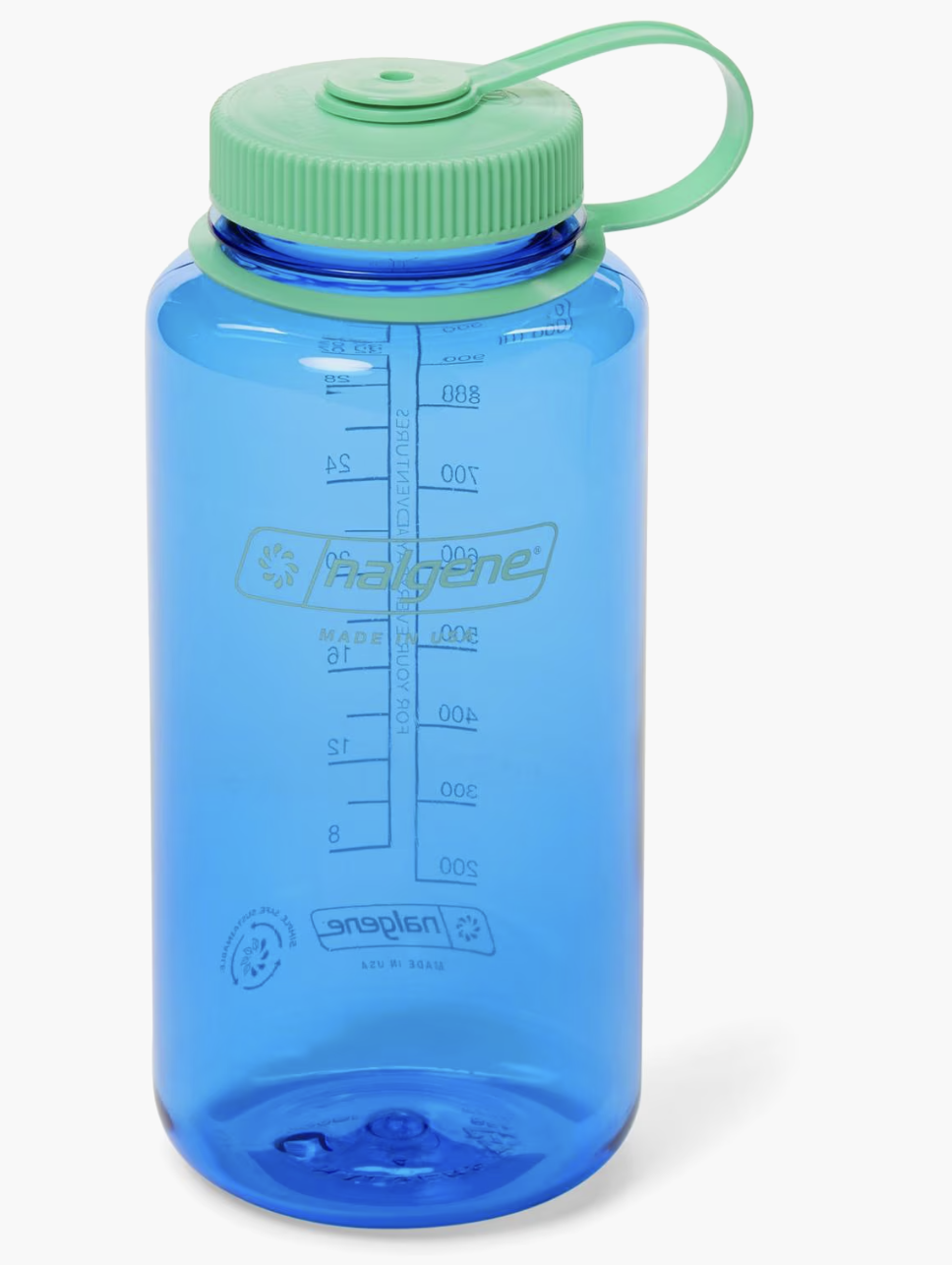
Water Bottles
Two 1L water bottles. Nalgene bottles are the most reliable in cold conditions. I don’t recommend built-in purification systems, as they can easily clog or collect dirt. For safety, we’ll be consuming sealed plastic bottles when needed.
Hydration note: we need to acclimate our bodies to drinking at least 3 liters of water per day in advance of the trek
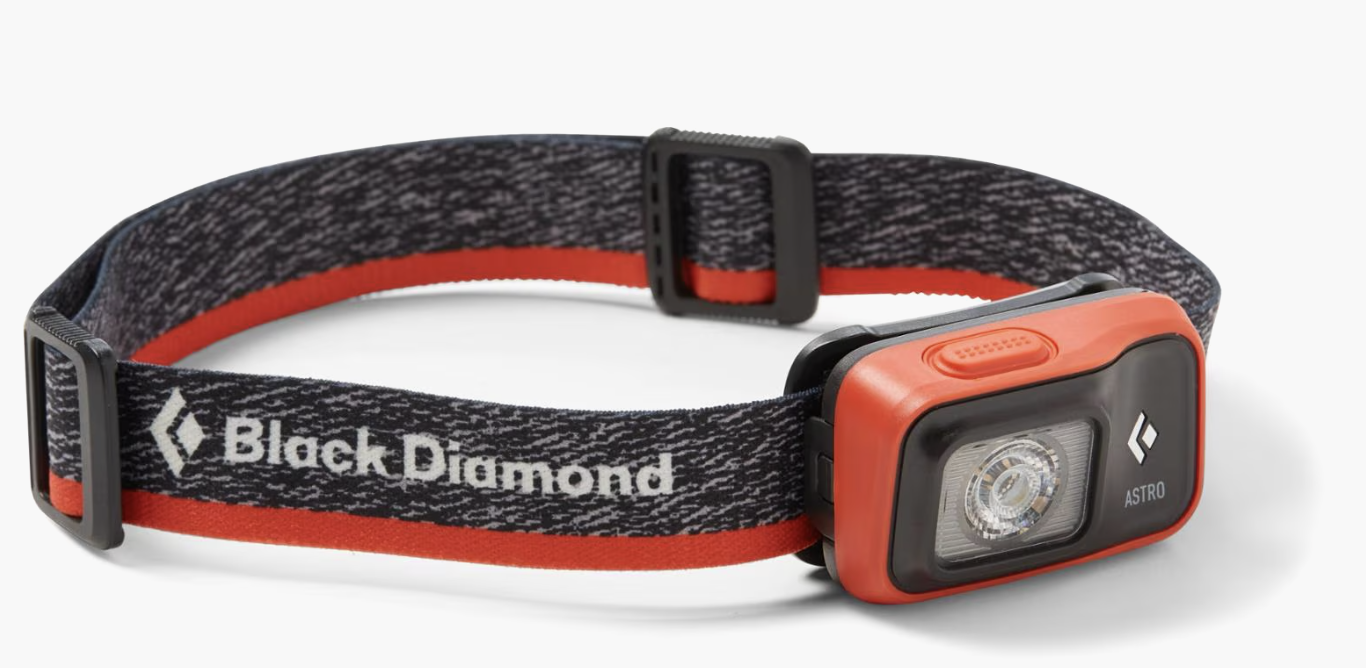
Headlamp
Classic, straightforward headlamp with up to 300 lumens of output that can run on standard AAA batteries. Durable, storm-proof, and ideal for teahouses and early prep in low light. (Bring an extra set of spare batteries)
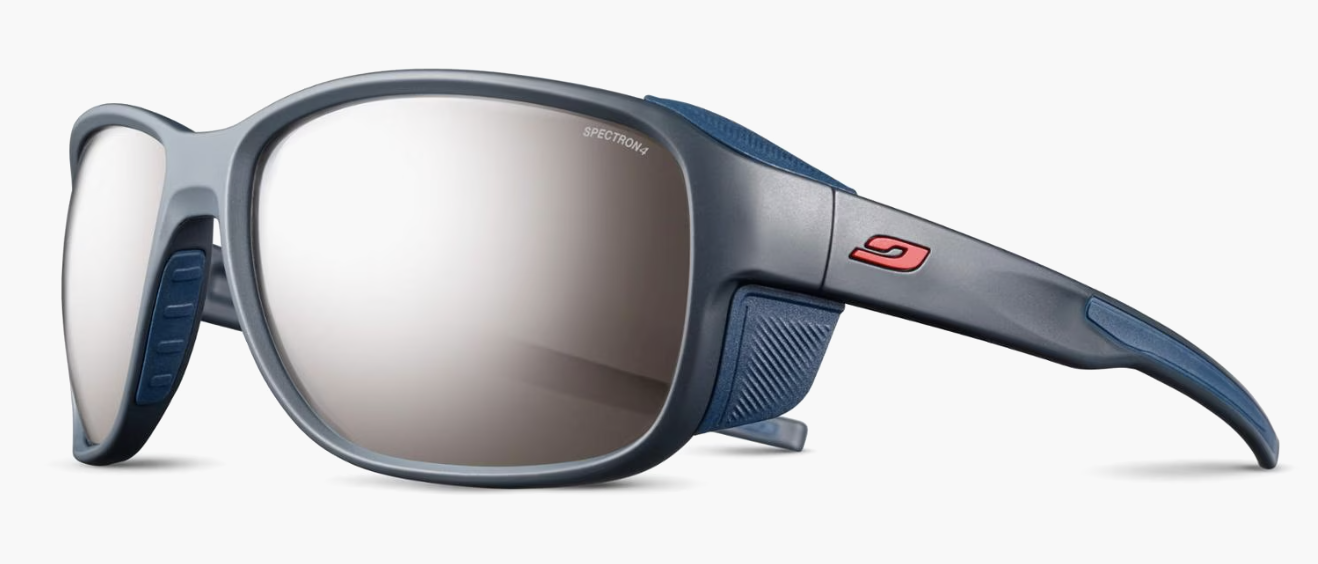
Sunglasses
High-quality, UV-blocking sunglasses with full coverage. Proper fit is essential. Polarized (Category 4) lenses are a must due to the intense mountain sun. My preferred brand for years has been Julbo
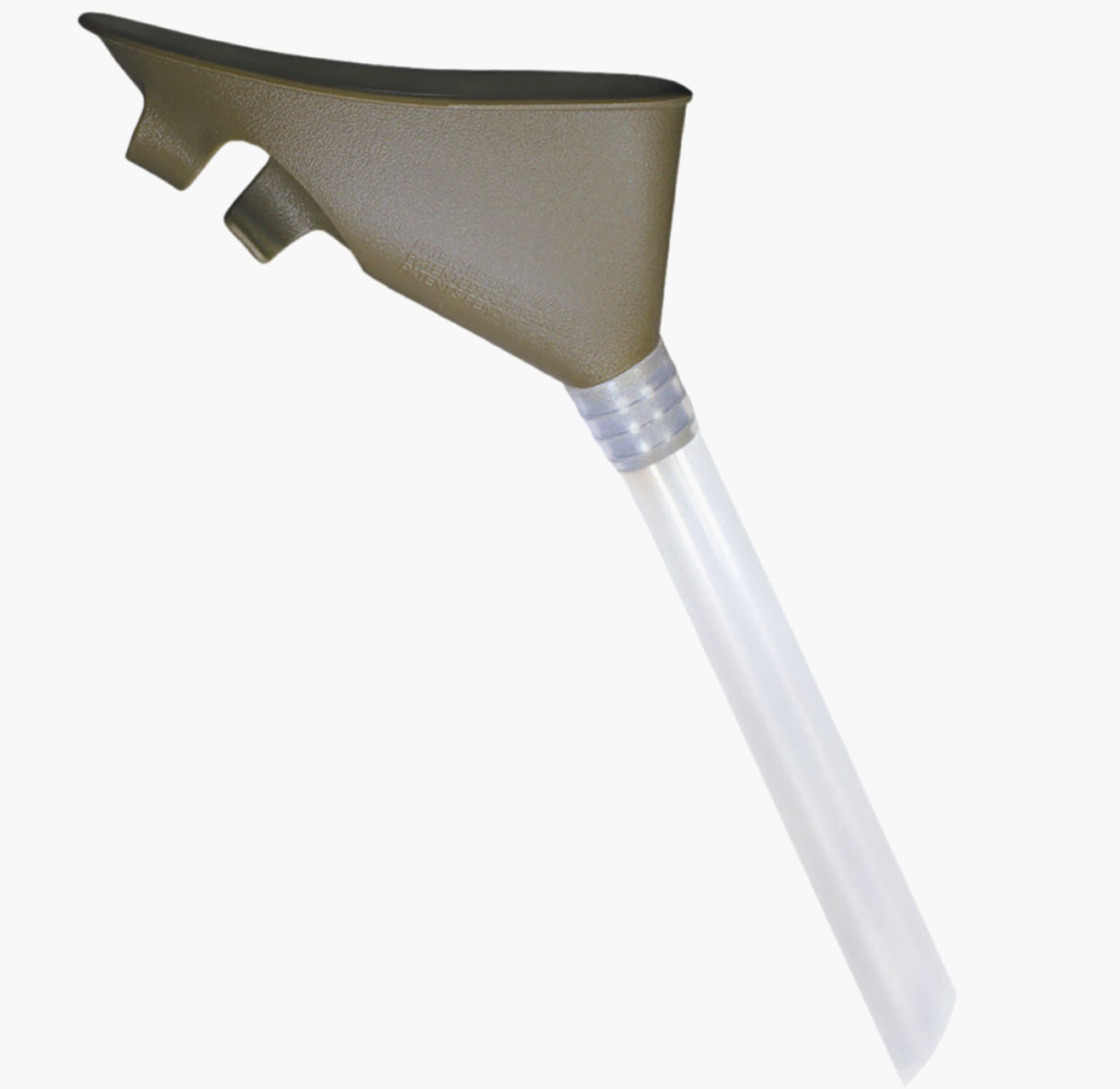
Freshette / Portable relief bottle & Nalgene
Given the amount of water we’ll be drinking for proper hydration, this can be a valuable personal item. About 80% of places along the route do have restrooms available if we need to stop, though conditions can vary and are not always ideal.
If you choose to use one, I recommend becoming familiar with it during training hikes. It may feel unfamiliar at first, but once on the trek, many find it becomes a very natural and practical solution.
Electronics & Power
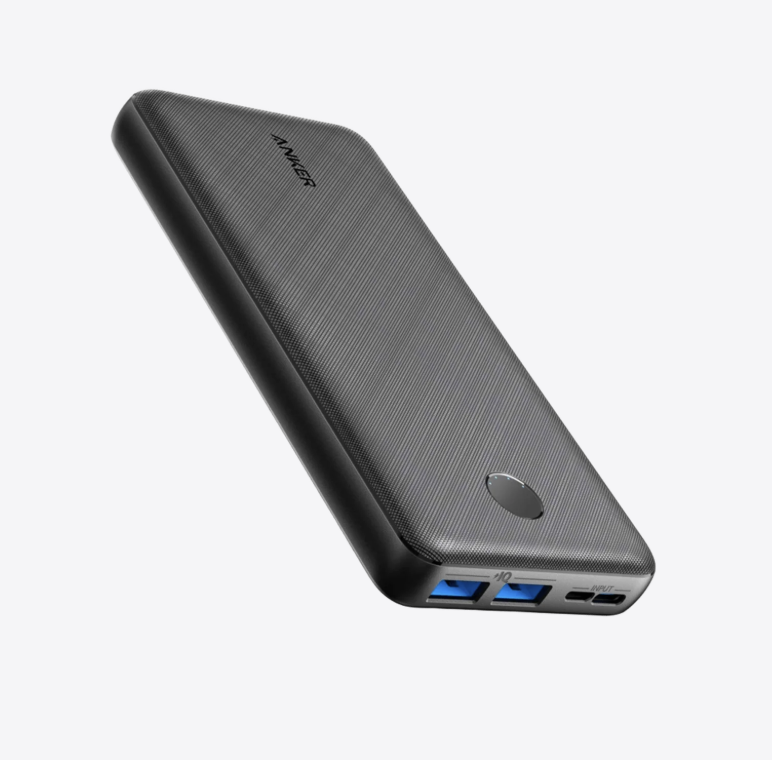
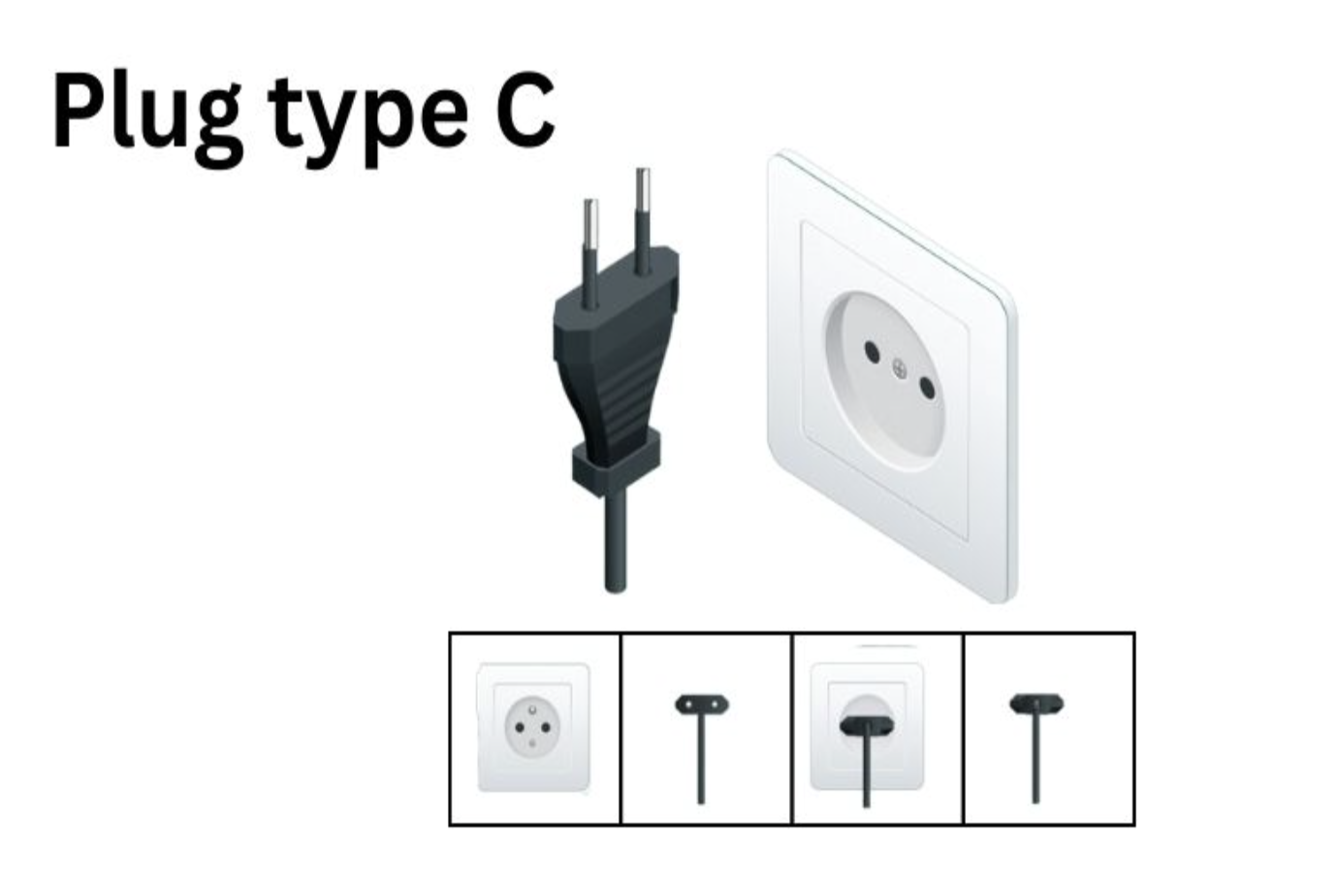
Nepal uses Type C plugs (European style). All teahouses have electricity, and many offer places to plug in devices. For daily phone charging, especially if you’re taking photos or videos, a 20,000 mAh power bank will be more than sufficient.
PowerBank
A reliable power bank is recommended for daily charging, especially if you’re taking photos or videos. My go-to brand is Anker. A 20,000 mAh power bank provides ample capacity for multiple days of use between charges.
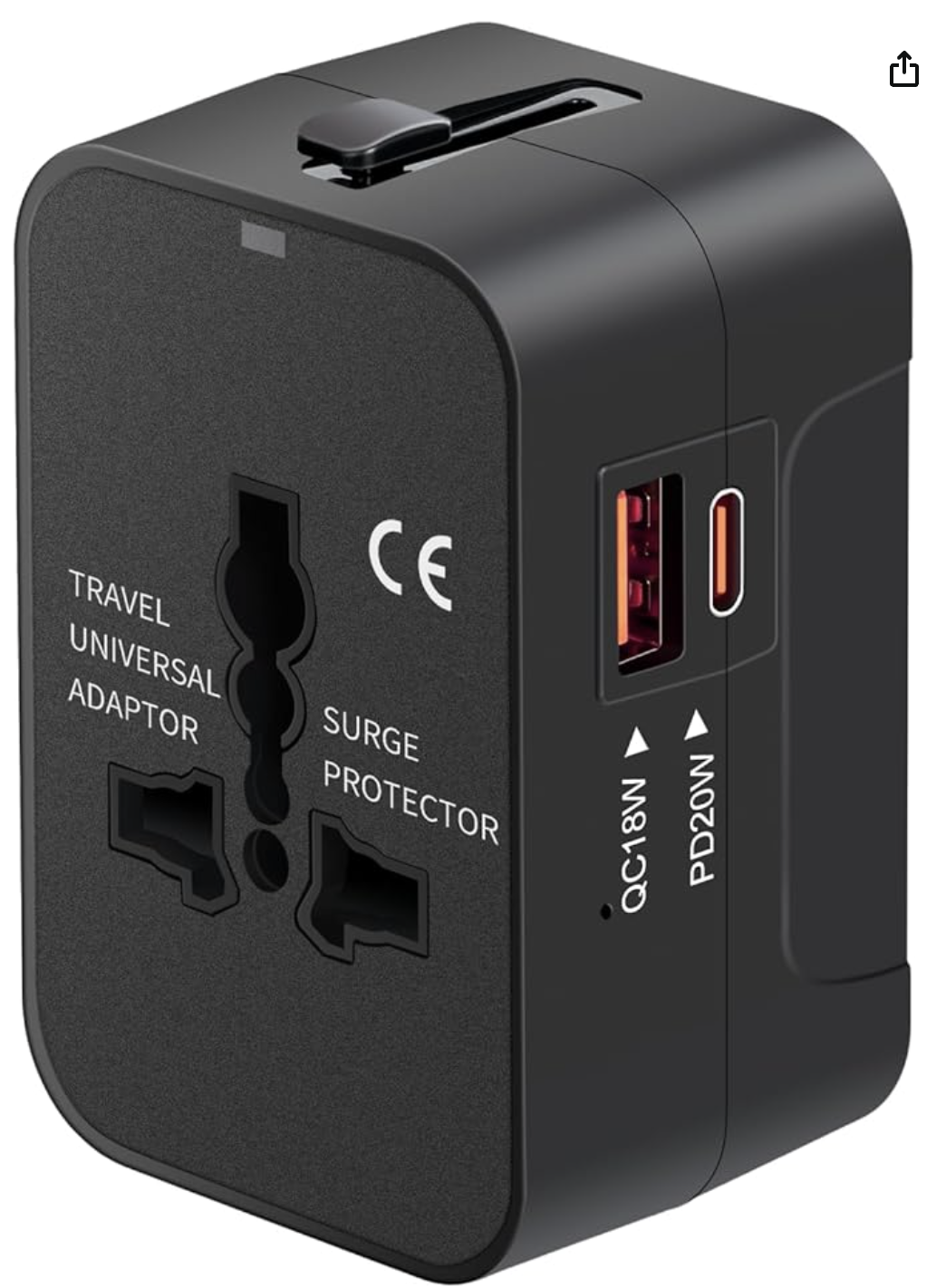
Travel Adapter
Universal adapter with USB-C + USB-A. Fast-charge (PD 3.0). Compatible with Type C (EU) outlets.
Hand & Toe Warmers
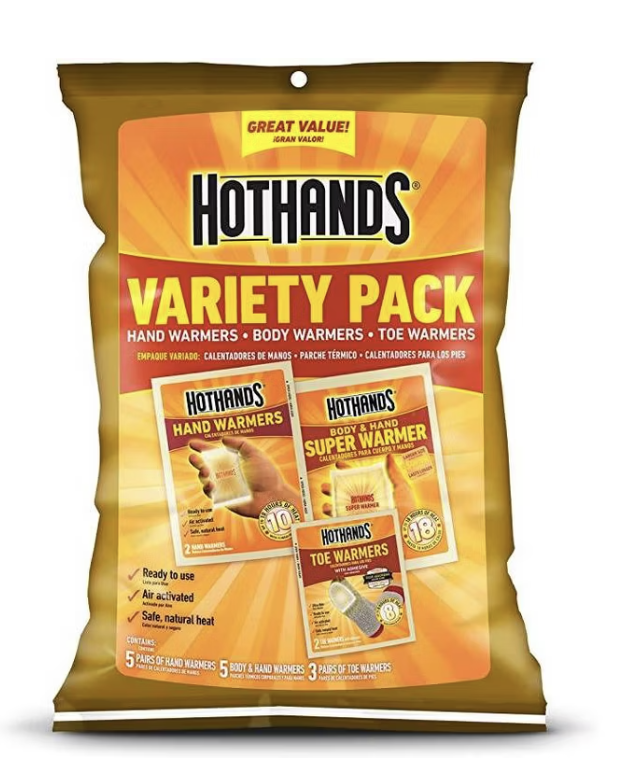
Four pairs of hand warmers and three pairs of toe warmers are sufficient. I will have extras.
Note: chemical hand warmers rely on oxygen and are less effective at high altitude. Toe warmers are different. They are designed to work inside boots with lower oxygen levels, but they burn out more quickly.
Nutrition and Supplements & Other Misc
Bring personal snacks and supplements you already use. Snack options along the trek are limited and mostly generic (e.g., candy bars). If you have digestion sensitivities or dietary preferences, it’s best to bring snacks from home. These are intended only as trekking fuel, as we’ll have three full meals per day.
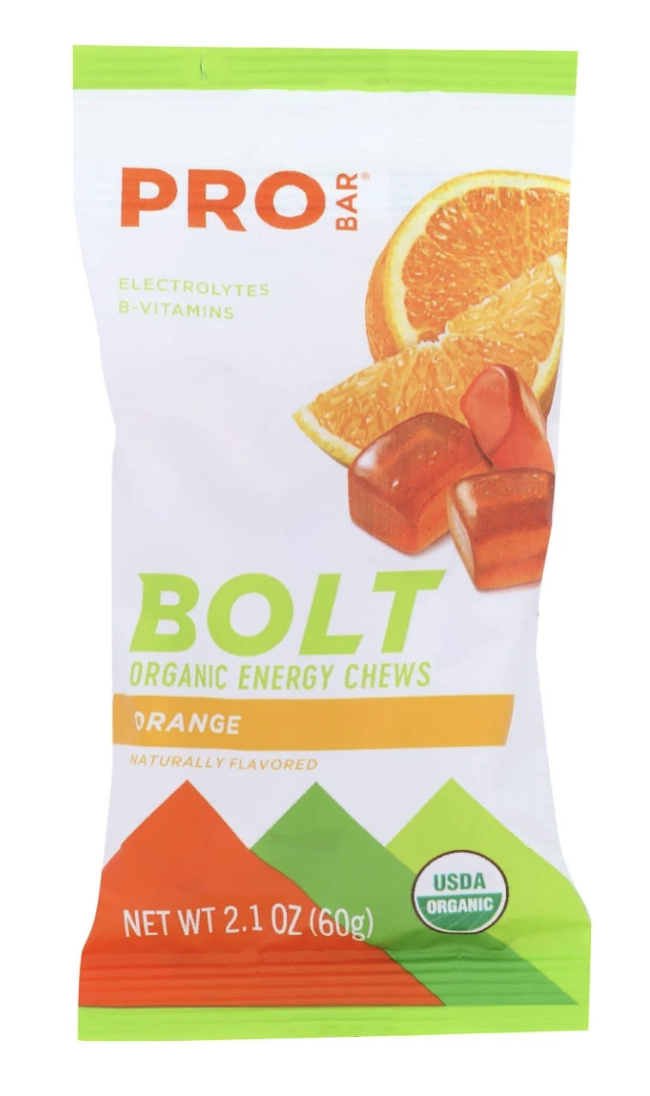
Energy Bars / Chews
I’m a long-time fan of ProBars. Clif Bloks or GU also work well. Choose low-caffeine or caffeine-free options. I recommend trying different brands during your training hikes to see what your body and taste buds respond to best.

Electrolytes (Altitude Hydration)
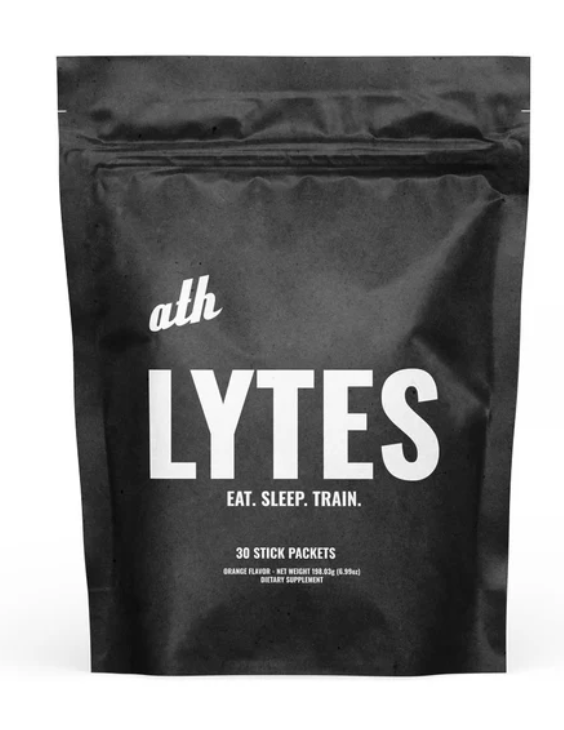
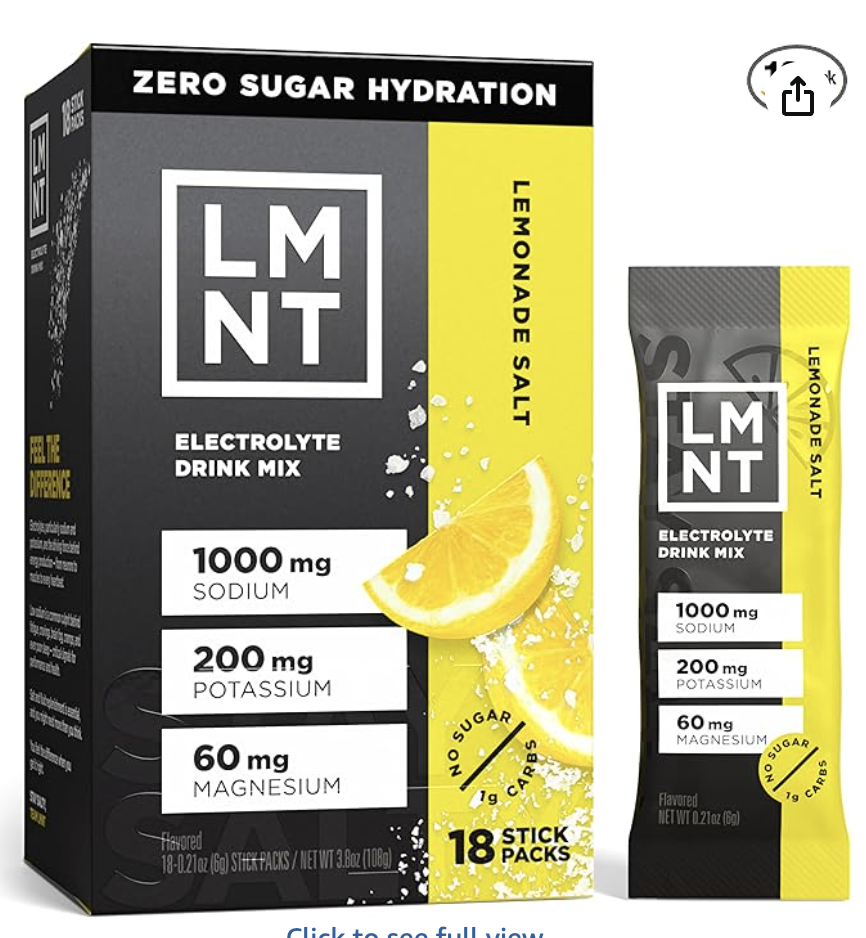
For altitude hydration, use a clean, high-sodium electrolyte with good mineral bioavailability. LYTES works particularly well due to its high sodium content, magnesium glycinate, and lack of sugar or artificial sweeteners, which can be harder to tolerate at altitude. LMNT is another solid option.
Use electrolytes intentionally, not in every bottle. One to two servings per day maximum.
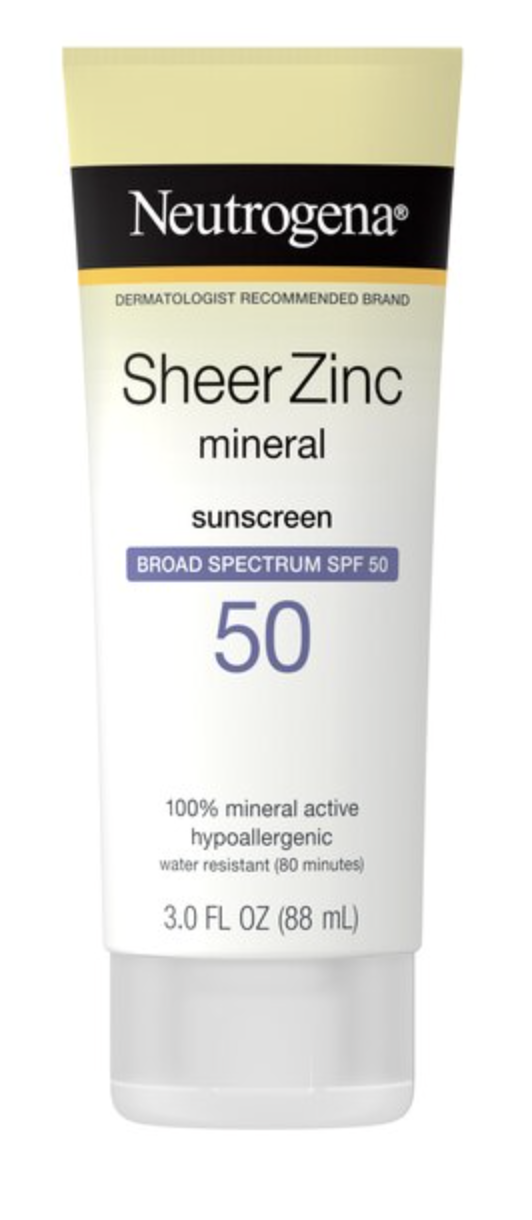
Sunscreen: SPF 30+ with zinc oxide preferred. Multiple small tubes recommended. Sheer zinc formulas work well.
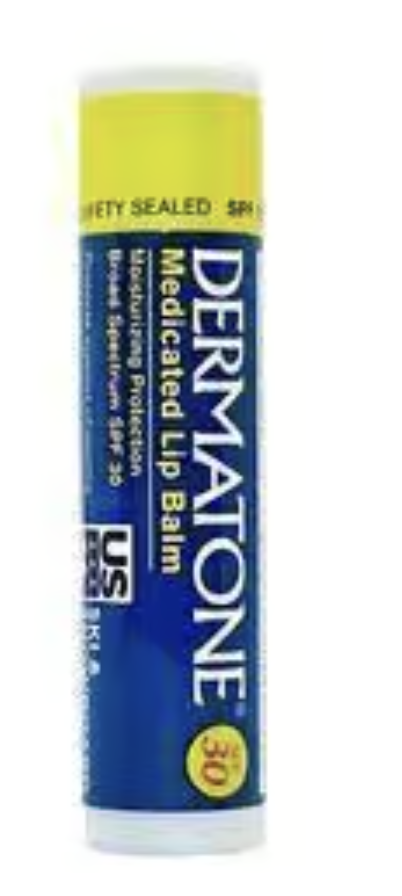
Lipbalm:
SPF 30+ lip balm. Bring several tubes.
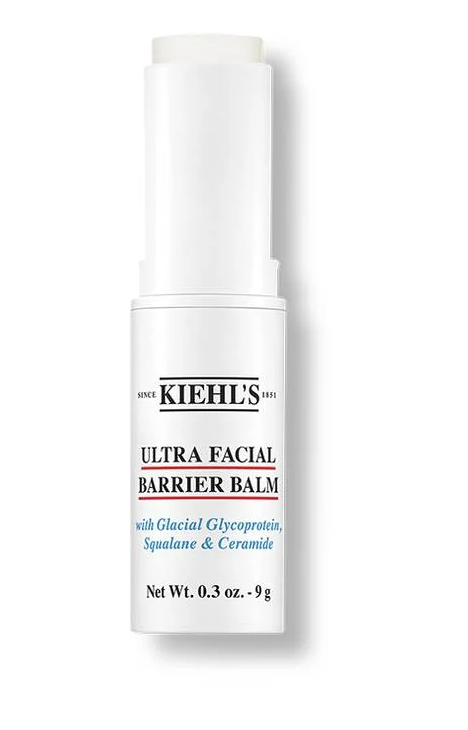
Moisturizer: Rich face and hand moisturizer. Cold, wind, and altitude dry skin quickly. Unscented formulas are best. Recommended Kiehl’s Ultra Facial Skin Barrier Repair Balm with Squalane
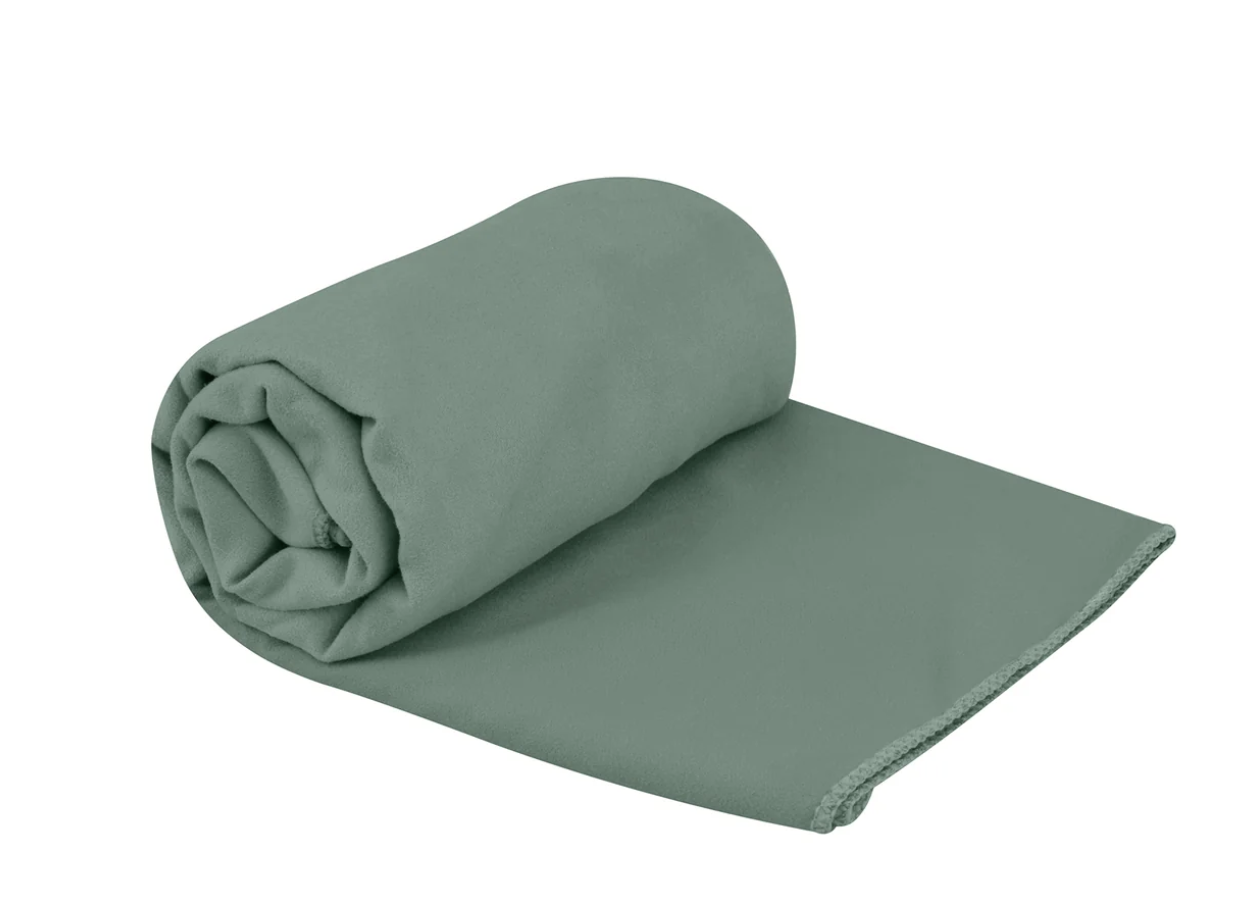
DryLite / Quick-Dry Towel
Lightweight, fast-drying towel for personal hygiene at teahouses and Everest Base Camp. Packs small and dries quickly in cold conditions. If you already have one from camping trips, reuse it.
Sleep & Recovery
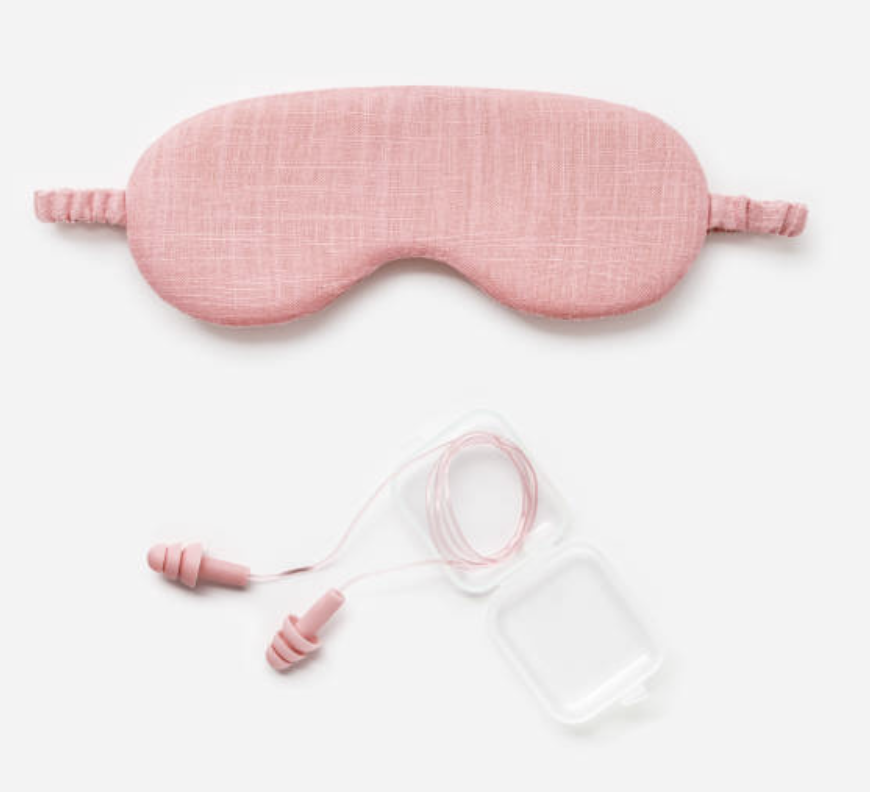
Earplugs and sleep mask. The same ones used for flights work well. I personally use in-ear headphones as earplugs.