Everest Base Camp 2026 Gear: This is a curated list of gear that has worked well for me on all my various journeys to EBC. Heavier items like down parkas and sleeping bags can be purchased or rented in Kathmandu. For questions or additional suggestions, feel free to reach out.
Footwear & Socks
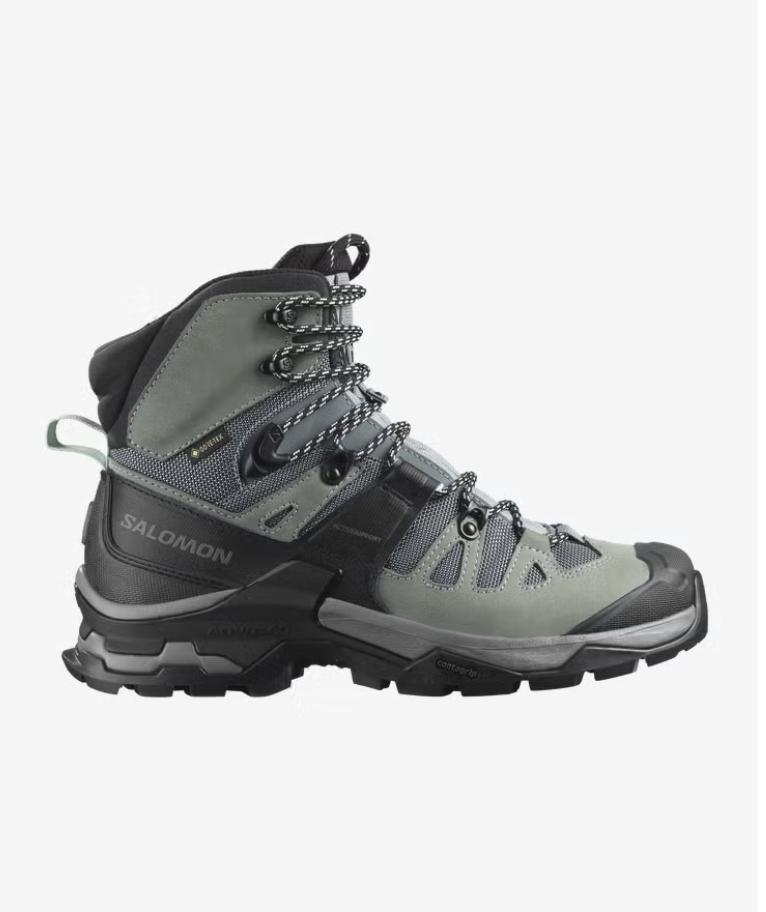
Hiking Boots:
You’ll wear your hiking boots every trekking day, on uneven terrain, so comfort and fit matter more than anything else. The constant ups and downs and stone steps place steady strain on your feet and ankles, making a well-broken-in boot with reliable support essential. Look for a medium-weight trekking boot that’s comfortable for full-day wear, supportive without feeling overly stiff, and appropriate for cool to cold conditions.
My personal preference: Salomon Quest series. This has been a personal go-to for me over the years, and I’ve worn variations of this model since 2015.
Other suggestions: Altra Running: https://www.altrarunning.com/en-us/women/lone-peak-family
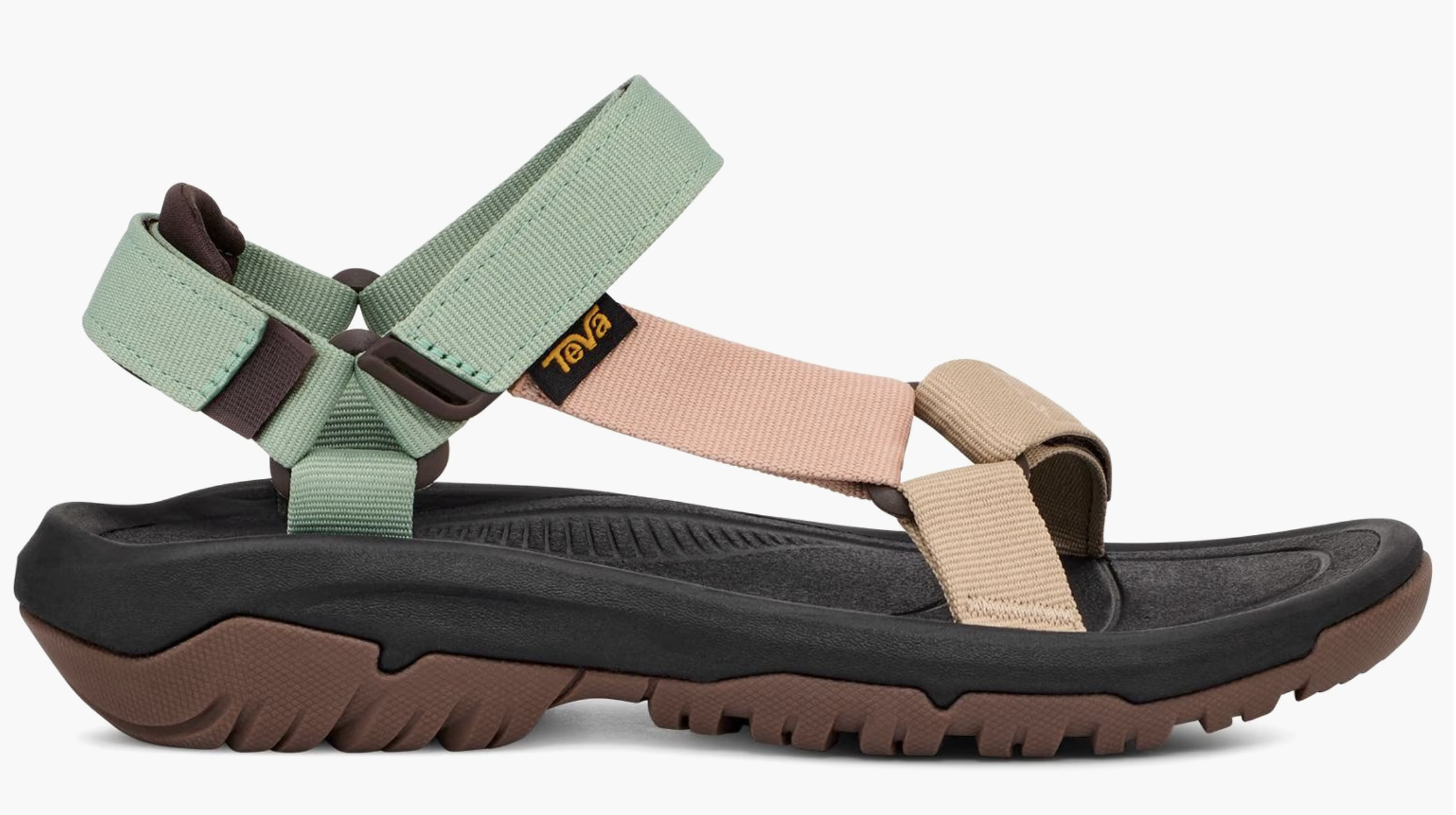
Shoes for Hotels & Tea Lodges
Comfortable sandals or slip-on shoes to give your feet a break after trekking days. Easy to wear with socks and suitable for moving around the lodge.
Teva Sandals are my go to.
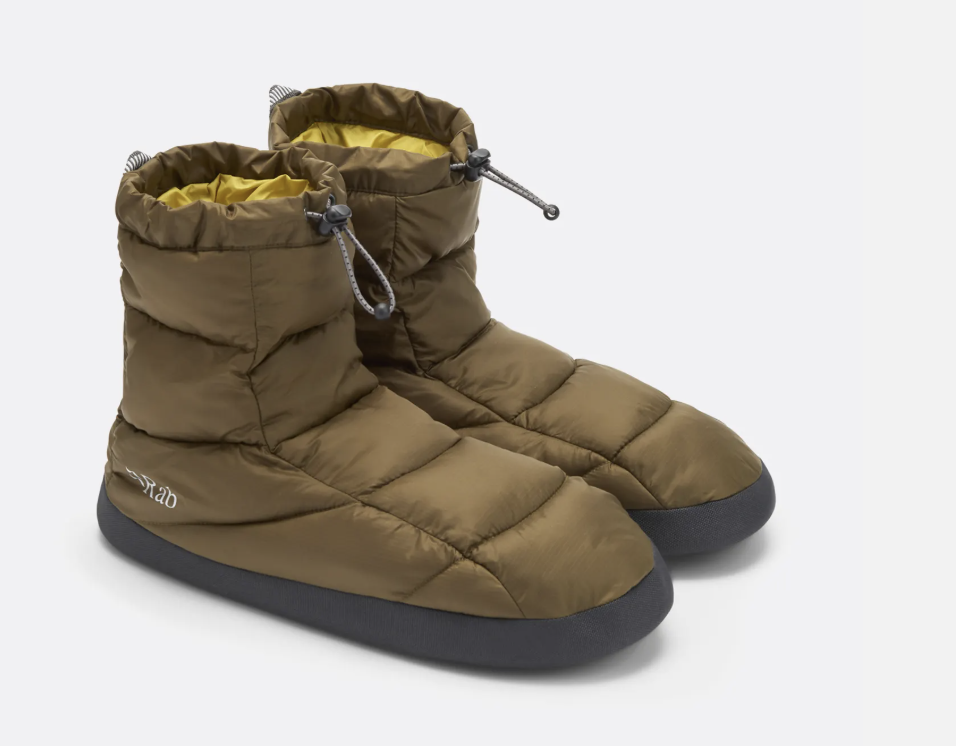
Down Booties — for a little splurge
Warm and comfortable for evenings, writing, reflection, and downtime
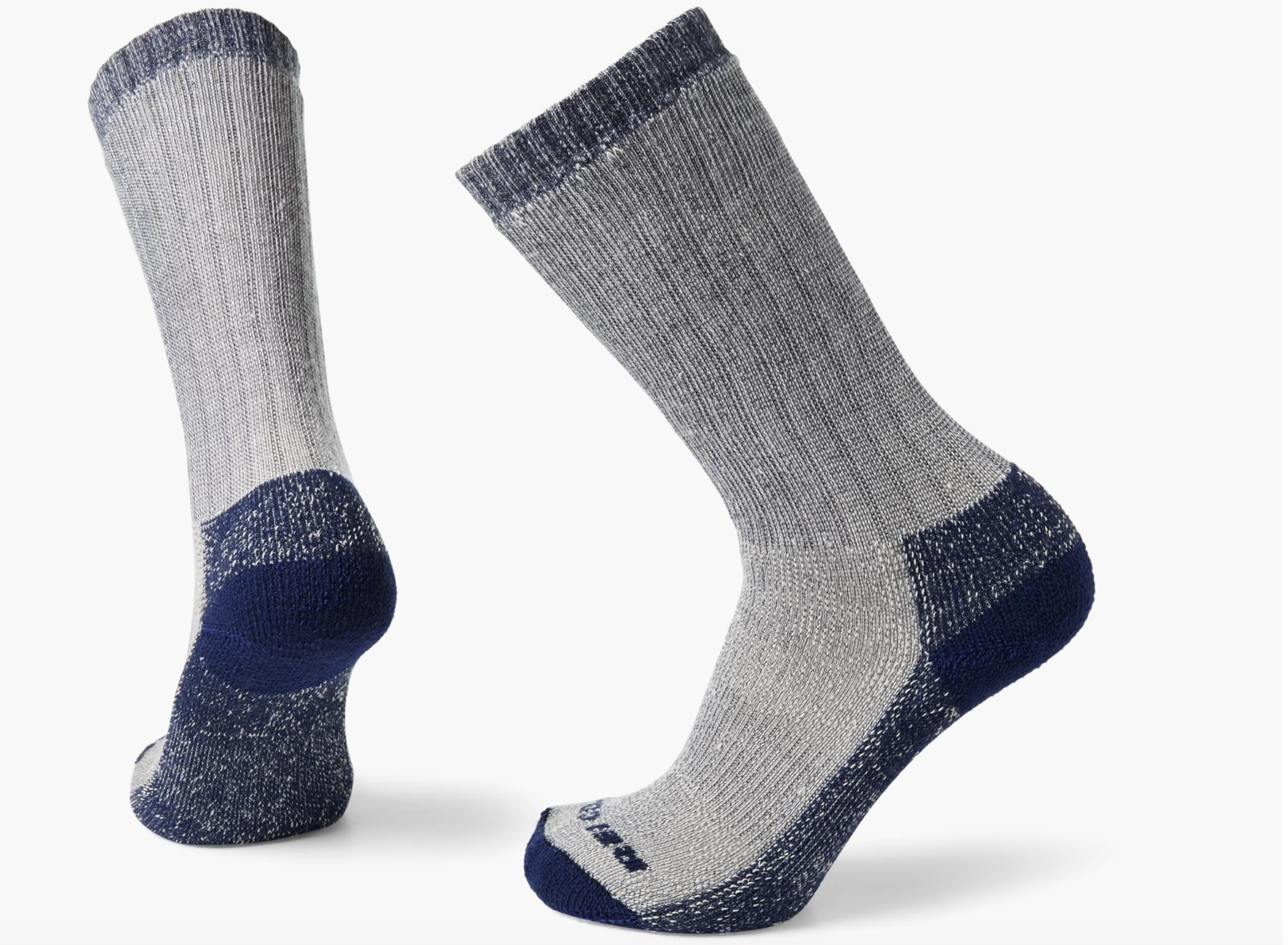
Socks:
For me, this is the second most important category after boots. Good socks protect your feet from blisters, help regulate temperature, and make long trekking days far more comfortable.
Plan on three types: medium-weight socks for daily trekking, liner socks (silk liners work well) to reduce friction, and heavier socks for resting or sleeping in the evenings.
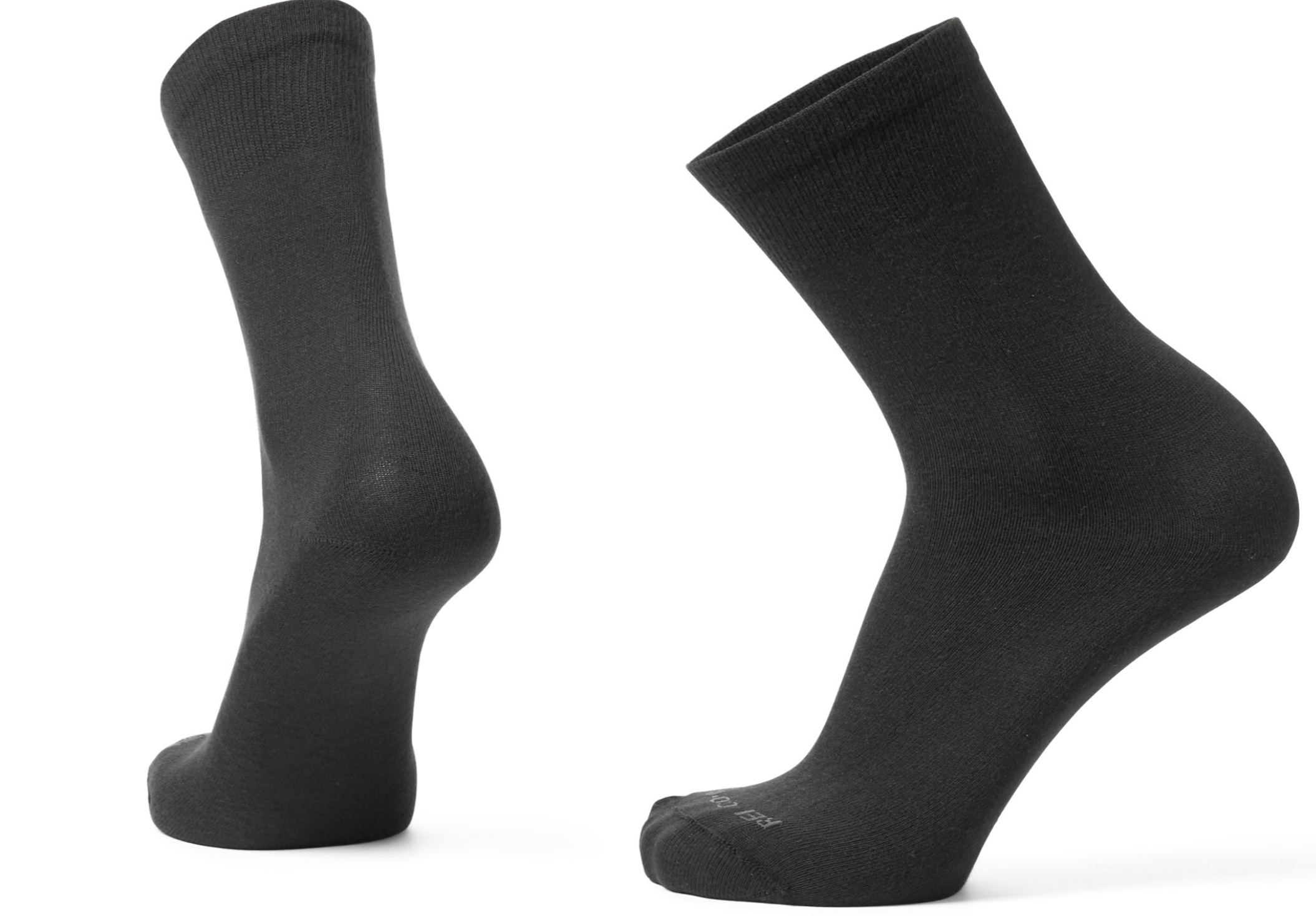
Crew Medium-Weight Socks
REI or Smartwool are reliable choices. Wool or wool-blend socks are the best, as they offer warmth, and durability for long trekking days. Blends tend to dry faster and last longer than 100% wool.
Crew: Extends a few inches above ankle bone and protects against boot abrasion.
Qty: 3 Pairs
Liner Socks
Thin liner socks help reduce friction and prevent blisters. Silk or lightweight synthetic liners work best and dry quickly.
Qty: 2 - 3 Pairs
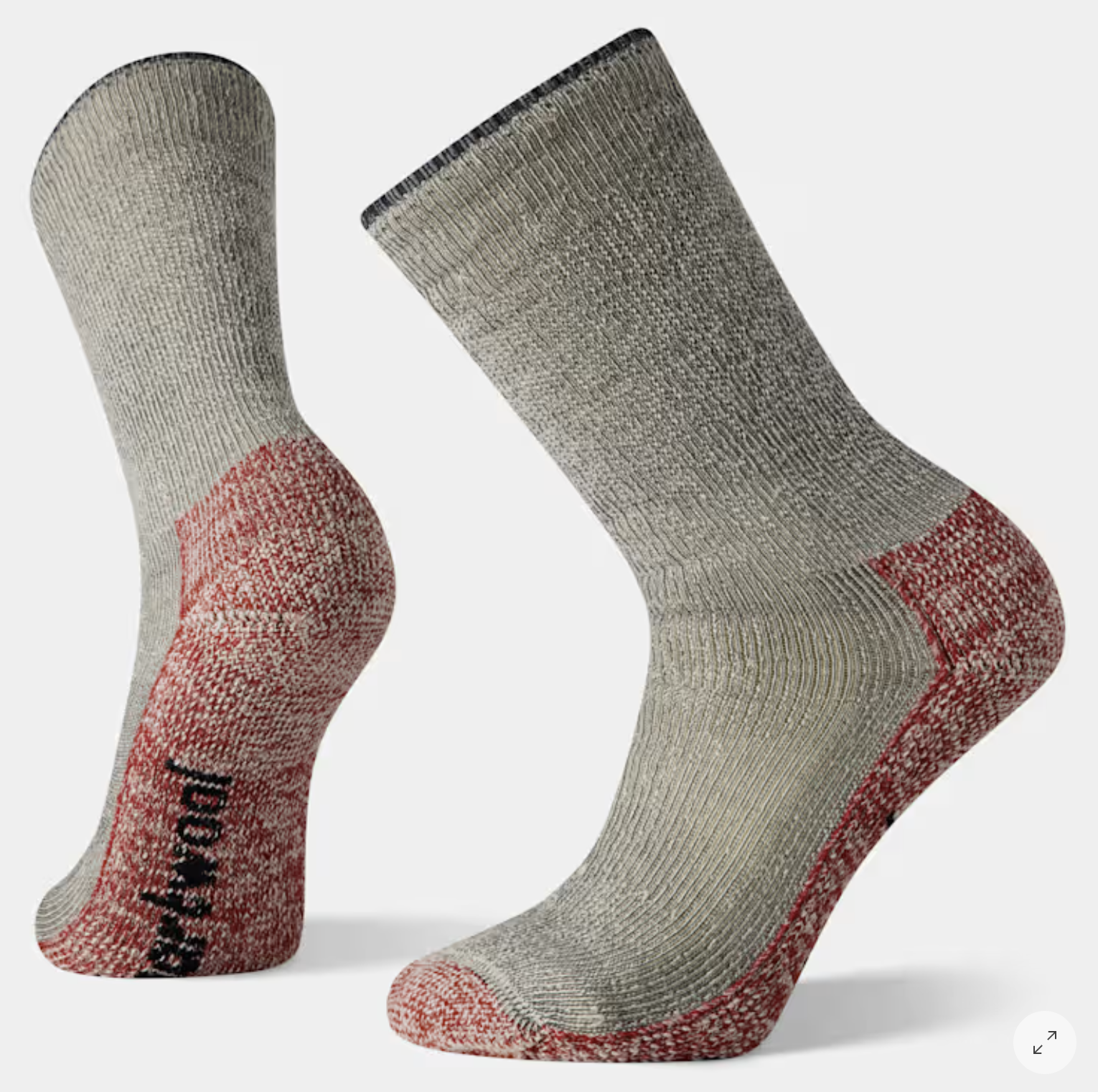
Heavyweight Socks
Thicker wool or wool-blend socks for warmth and comfort in the evenings or while sleeping.
These are not for trekking, but for recovery and rest
Qty: 2 Pairs
Bags, Luggage & Dry Sacks
Travel Luggage
Bring a standard suitcase or travel bag. If you’re thinking ahead to future expeditions, a durable expedition-style duffel can be a good investment. That said, Kathmandu offers excellent options, and many trekkers choose to purchase a quality duffel there
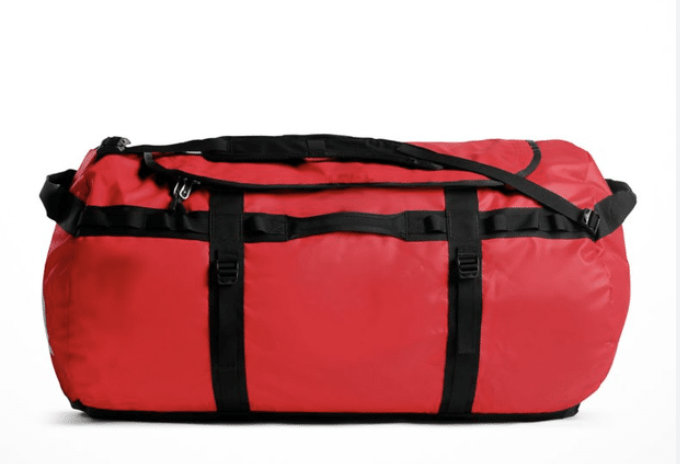
Duffel Bag (Porter Transport)
A large duffel will be provided to carry the items transported by porters and yaks
Daypack
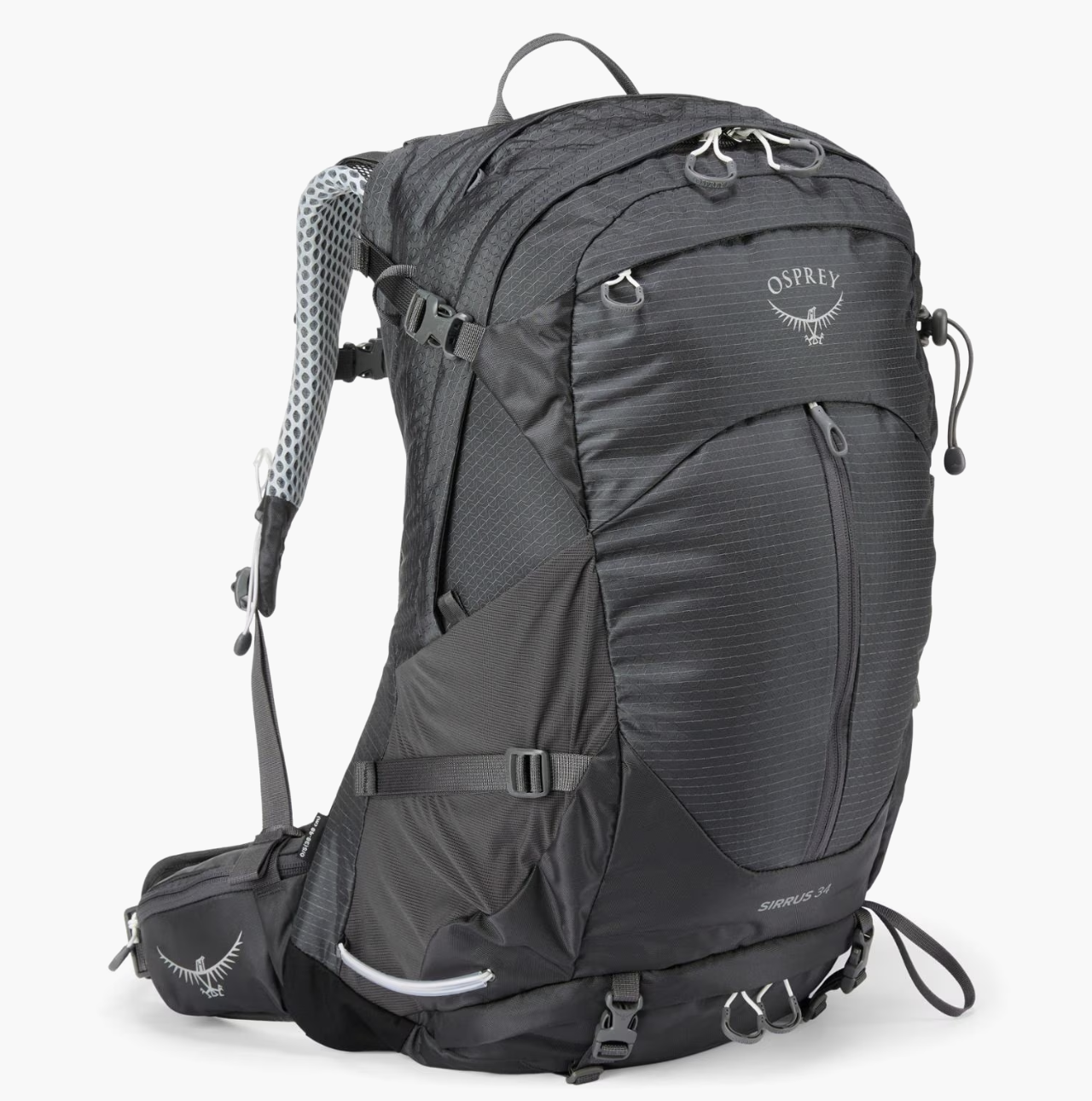
Essential for daily trekking and training. This is where you’ll carry extra layers, water, snacks, and a phone charger. A well-fitting pack makes a noticeable difference over long days. I recommend a 35–38L backpack. Recent designs offer excellent ergonomic support.
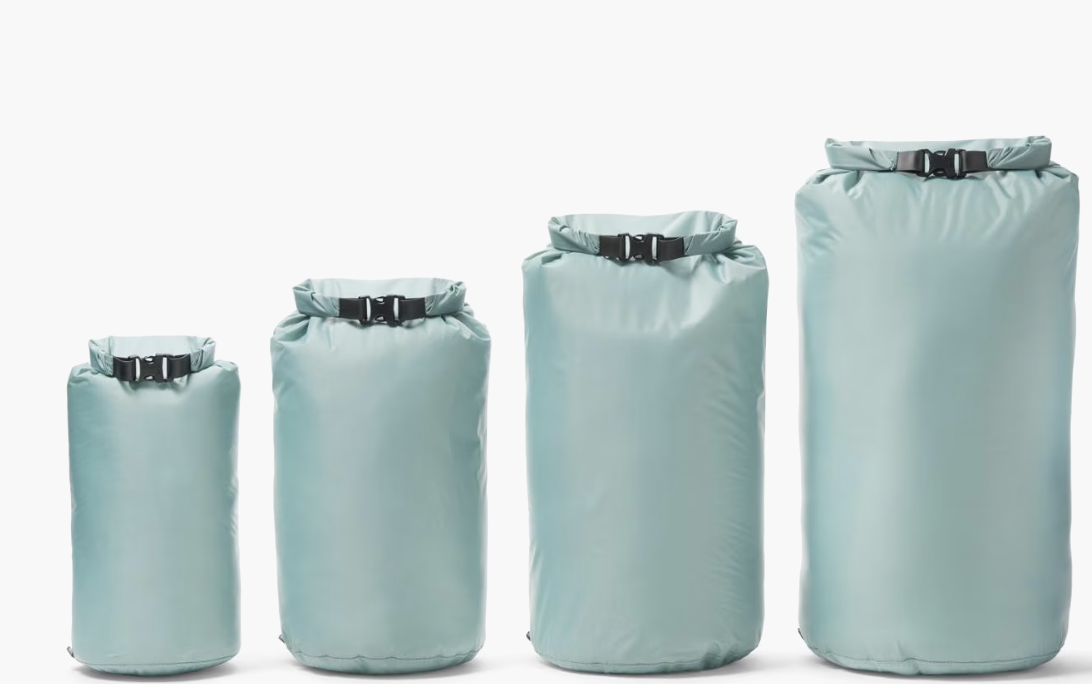
Drysacks
Used to organize and protect items packed inside the large duffels. These are invaluable for keeping gear dry and organized, you can never have too many
Clothing & Layers
Layering is essential on this trek. Mornings often begin cool, temperatures rise quickly once the sun is out, and conditions can shift throughout the day. We’ll have opportunities to adjust layers as needed. I’m a strong believer in zippered clothing, especially for uphill hiking, as even a small amount of airflow can make a noticeable difference in comfort and energy.
Thermals (Base Layers)
Thermals are the foundation of your layering system. Worn directly against the skin, they regulate temperature by managing moisture, keeping you warm when it’s cold, cool when you’re active, and comfortable over long days. Wool or high-quality synthetic fabrics work best.
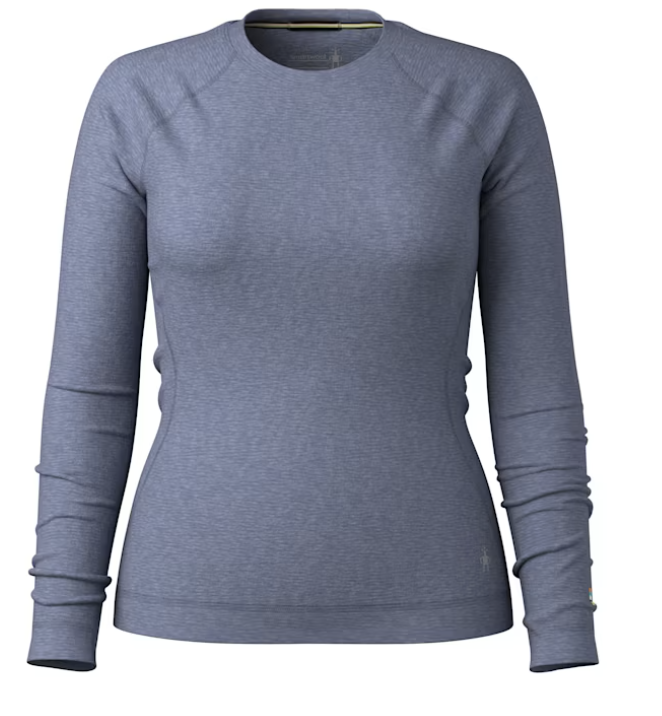
Base Layer Top
Plan on two base layer tops, with an optional third for sleeping. Choose breathable, non-restrictive pieces that manage moisture well. I like Patagonia, Smartwool
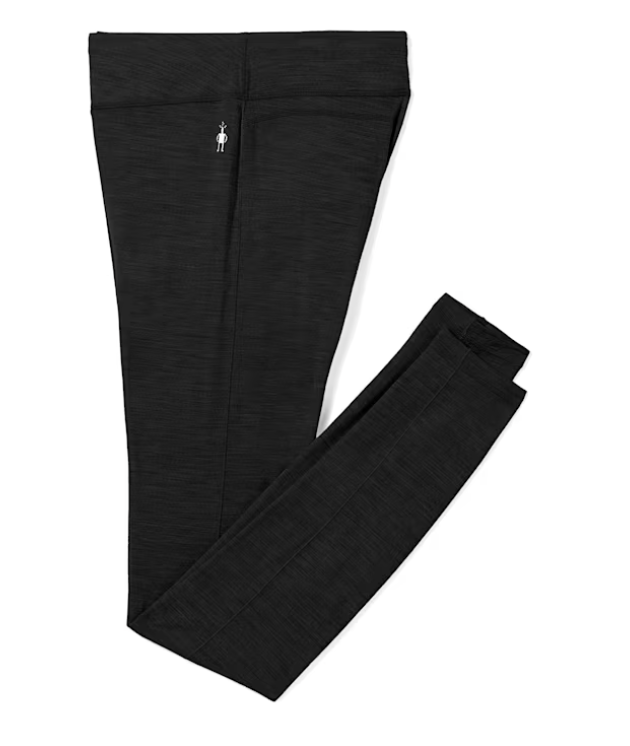
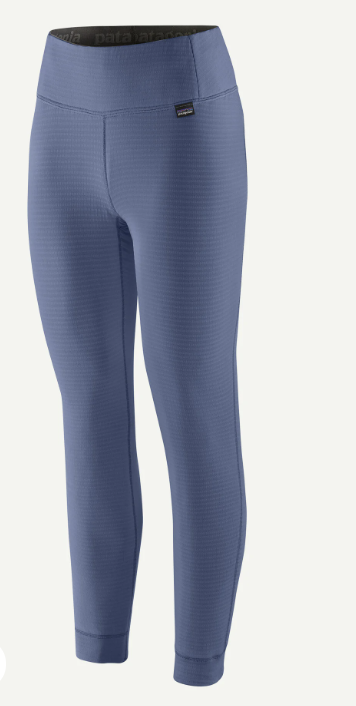
Base Layer Bottom
A midweight base layer for daily trekking and a heavyweight thermal layer for the final two days of the trek, especially around the Everest Base Camp region. There are many solid options available from brands like Helly Hansen and Patagonia. Unlike the upper layer, bottoms and trekking pants will be the legs only defense, making warmth and comfort essential at higher elevations.
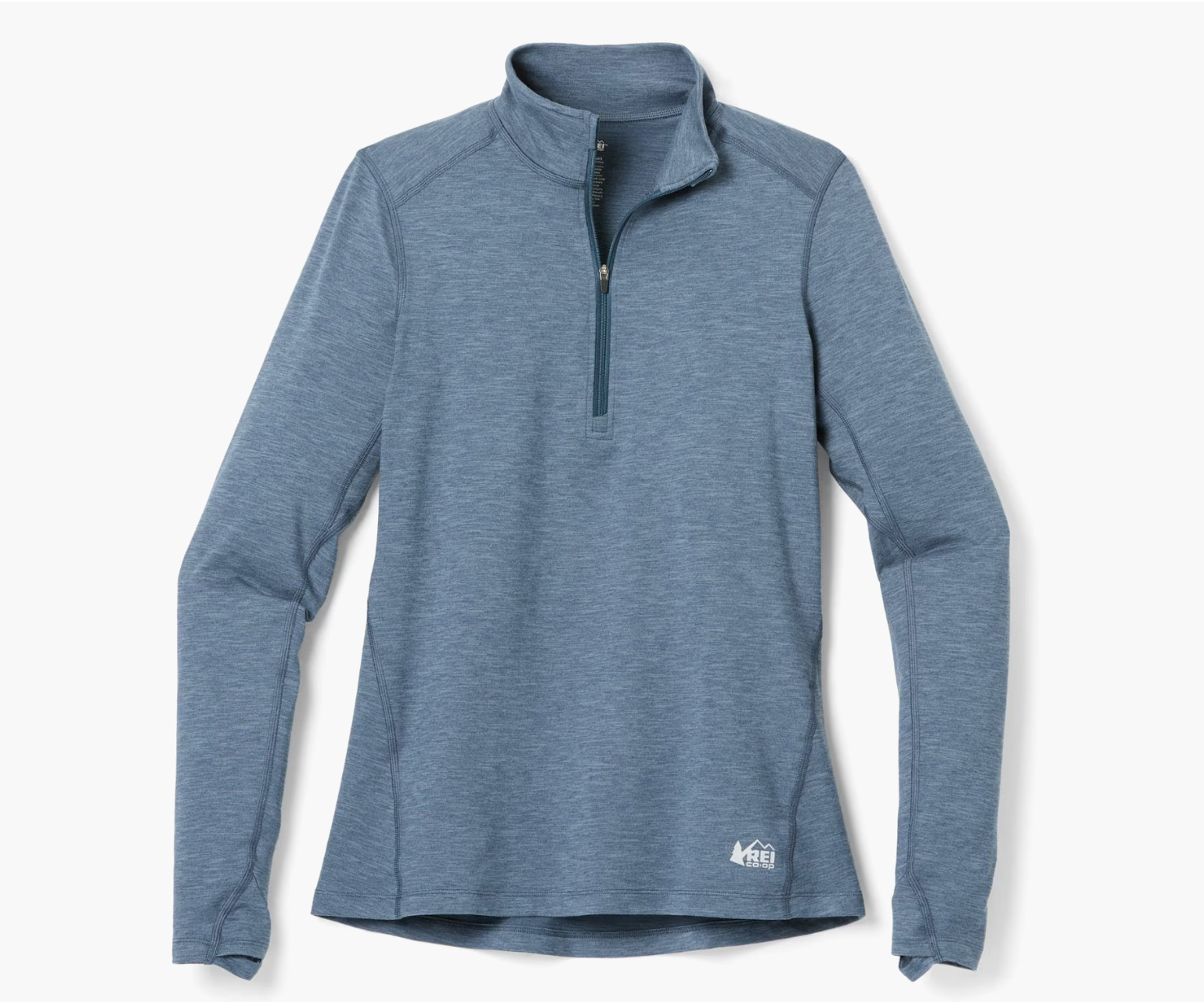
Midweight Base Layer Half-Zip Top
This synthetic layer is worn over your merino base layer. The half-zip allows for easy ventilation during climbs while maintaining warmth when needed.
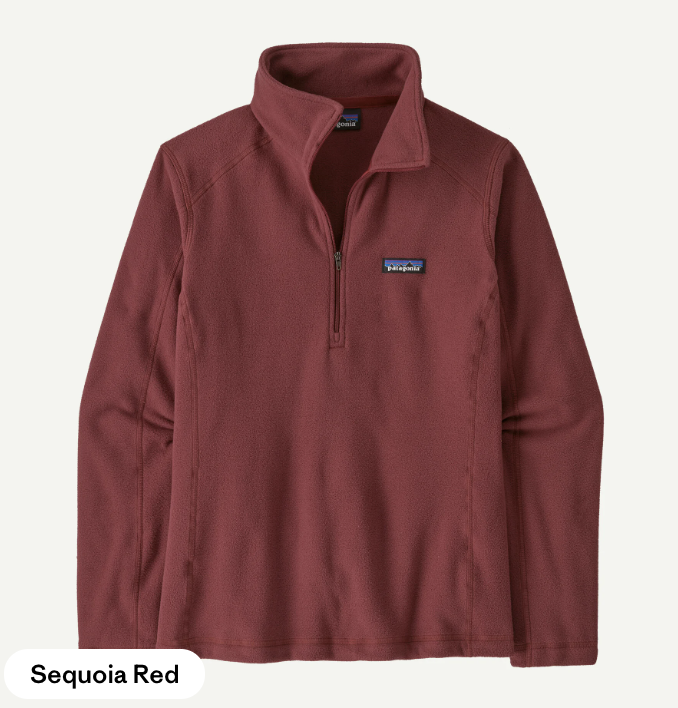
Fleece Jacket
A lightweight fleece jacket adds warmth over base layers and works well for active trekking and cooler mornings. Look for a comfortable fit with a front zipper, which makes temperature regulation easy as conditions and effort change throughout the day.
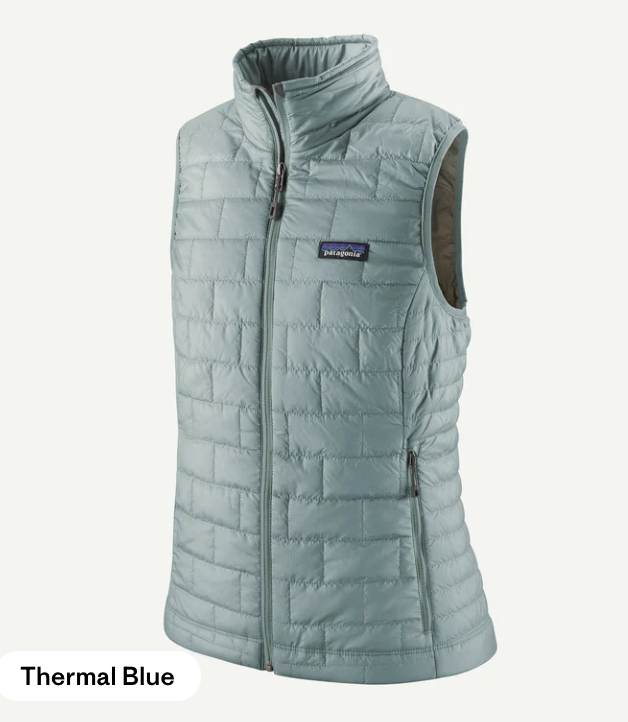
Optional Insulated Vest
On warmer days (or for resting) trekking in a vest can offer welcome warmth without overheating. It provides core insulation while allowing airflow through the arms, making temperature regulation easier. Plus, you can wear it in the city!
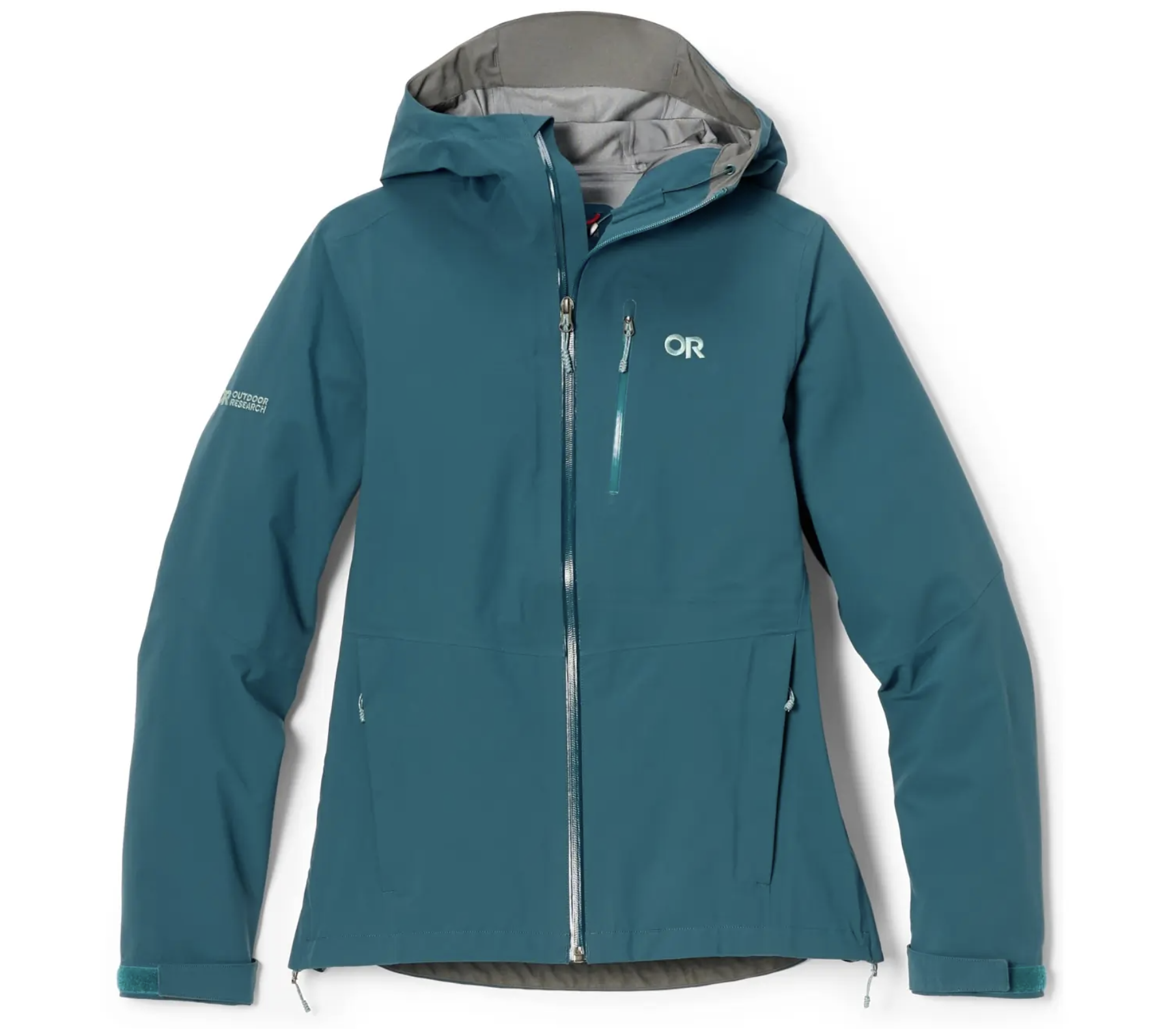
Gore-Tex Shell Jacket
This outer shell becomes especially important as we move past Dingboche and into the glacier region, where wind exposure increases. Worn over your insulation layers, a Gore-Tex jacket blocks wind and provides protection from light rain or snow without adding bulk. It’s not about warmth on its own, but about sealing in the warmth you’ve already built through layering
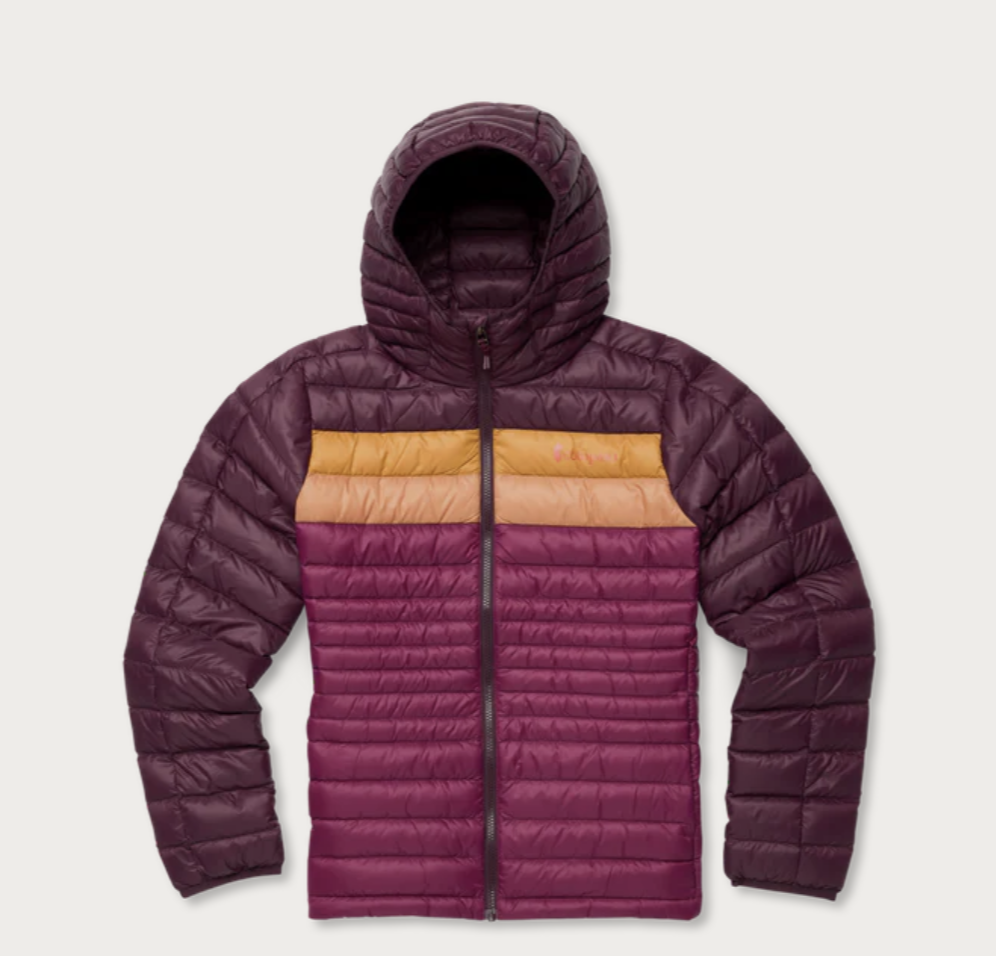
Down Jacket
This layer is essential for rest periods in tea houses and for colder moments at higher elevations, especially during the hike to Kala Patthar and time spent at Everest Base Camp. When you stop moving, putting on your down jacket feels like wrapping yourself in a blanket, providing immediate warmth and comfort.
High-quality down jackets will also be available in Thamel/ Kathmandu. They offer excellent alternatives at a fraction of the cost. Skiing/snowboarding jackets could work. Yet for those interested here, brands like Cotopaxi and Patagonia are great options.
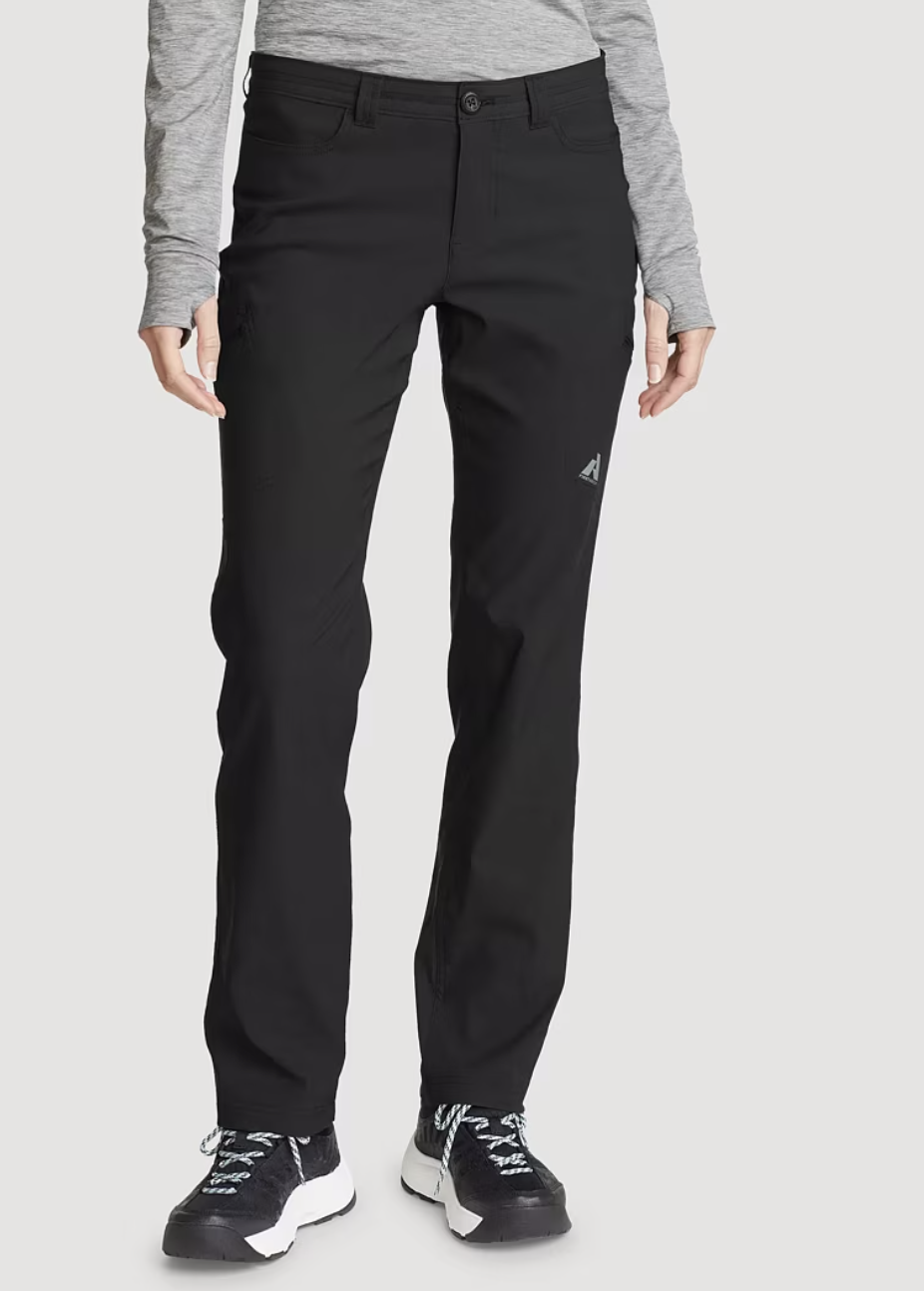
Trekking pants
You will wear trekking pants every day on the trail. They should be comfortable for long hours of walking, allow for easy movement, and layer well over your base. Lightweight, durable pants work best and are suitable both for daily trekking and time spent around Everest Base Camp. Choose a style that feels comfortable when walking uphill, downhill, and while sitting in tea houses.
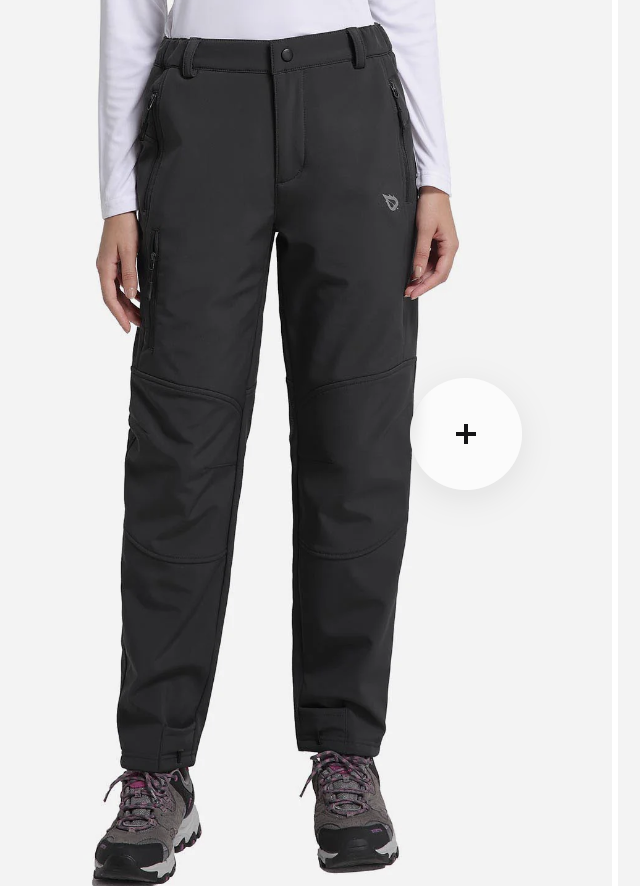
Insulated Trekking pants
These are best reserved for the final days of the trek, including the hike to Kala Patthar and time spent at Everest Base Camp. They add warmth when temperatures drop and layer easily over base layers. We can also get these in Thamel/Kathmandu
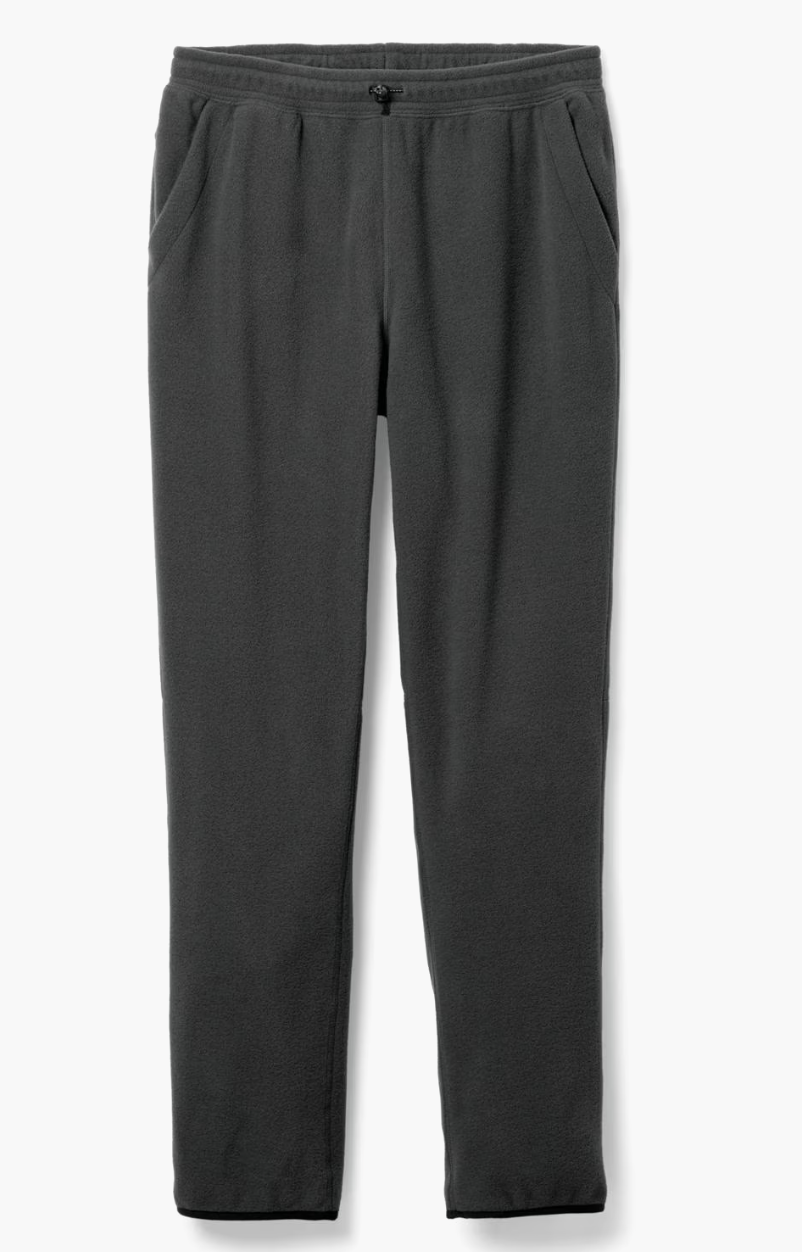
Comfortable Fleece Pants
Comfortable fleece pants for evenings and rest in tea houses. These add warmth at night and help the body recover after long trekking days.
Sleepwear
Most people sleep best in their base layers. They regulate temperature well, pack light, and can double as daytime layers if needed.
Undergarments
Underwear and bras should be synthetic or wool fabrics only. Avoid cotton, as it retains moisture and dries slowly at altitude.
Gloves
Just like clothing, gloves work best when layered. In my experience, having multiple options makes all the difference as conditions change throughout the day. Plan on lighter gloves for active trekking and warmer, insulated gloves for colder moments and rest periods.
Heavier gloves can also be purchased in Kathmandu, where there are plenty of good options. Hand warmers are worth bringing and can be especially helpful during the final three days of the trek, when temperatures drop noticeably.en a small amount of airflow can make a noticeable difference in comfort and energy.
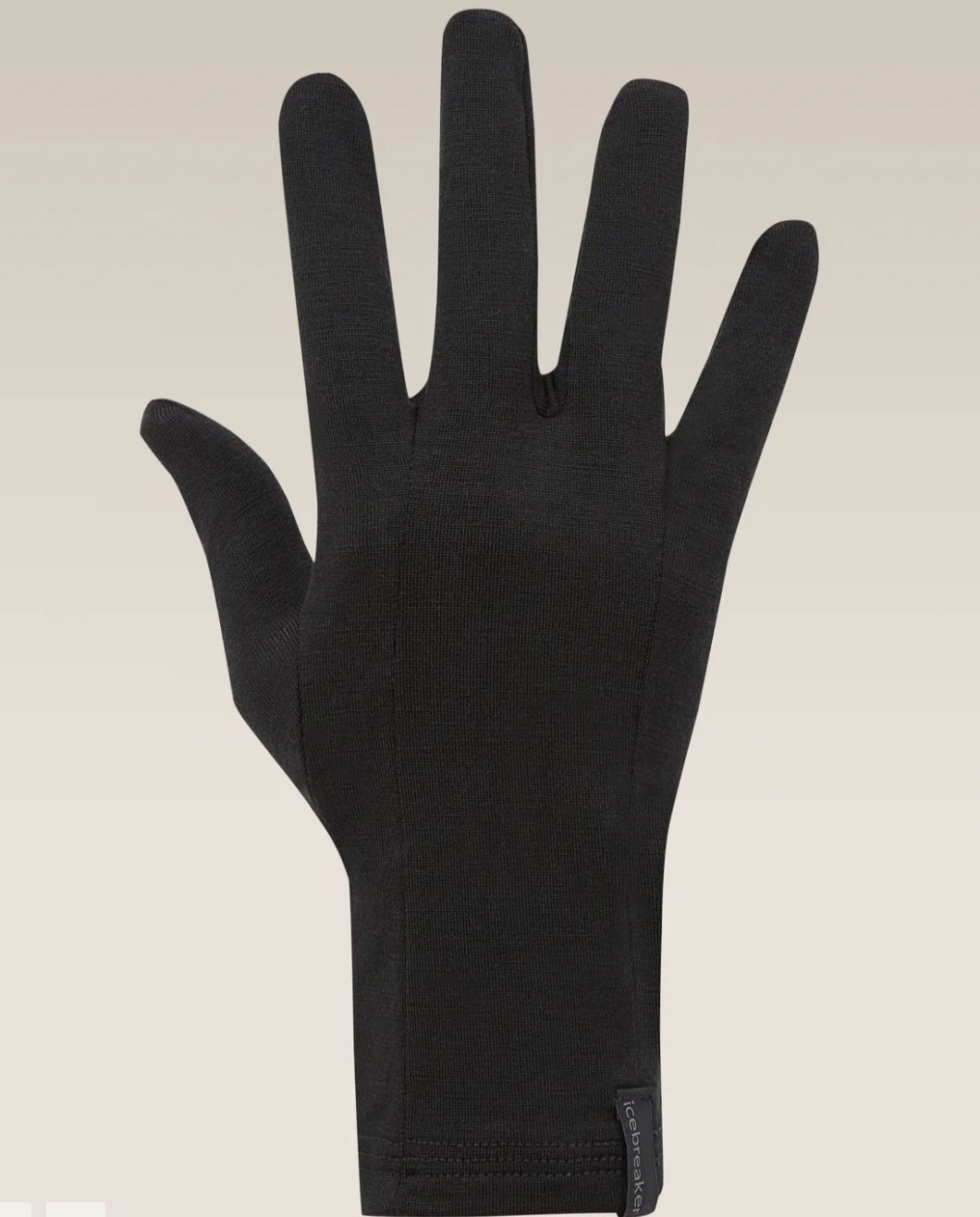
Merino Glove Liners
Lightweight merino wool glove liners for cool conditions and layering. Breathable, flexible, and comfortable during active trekking, they work well on their own or under heavier gloves when temperatures drop
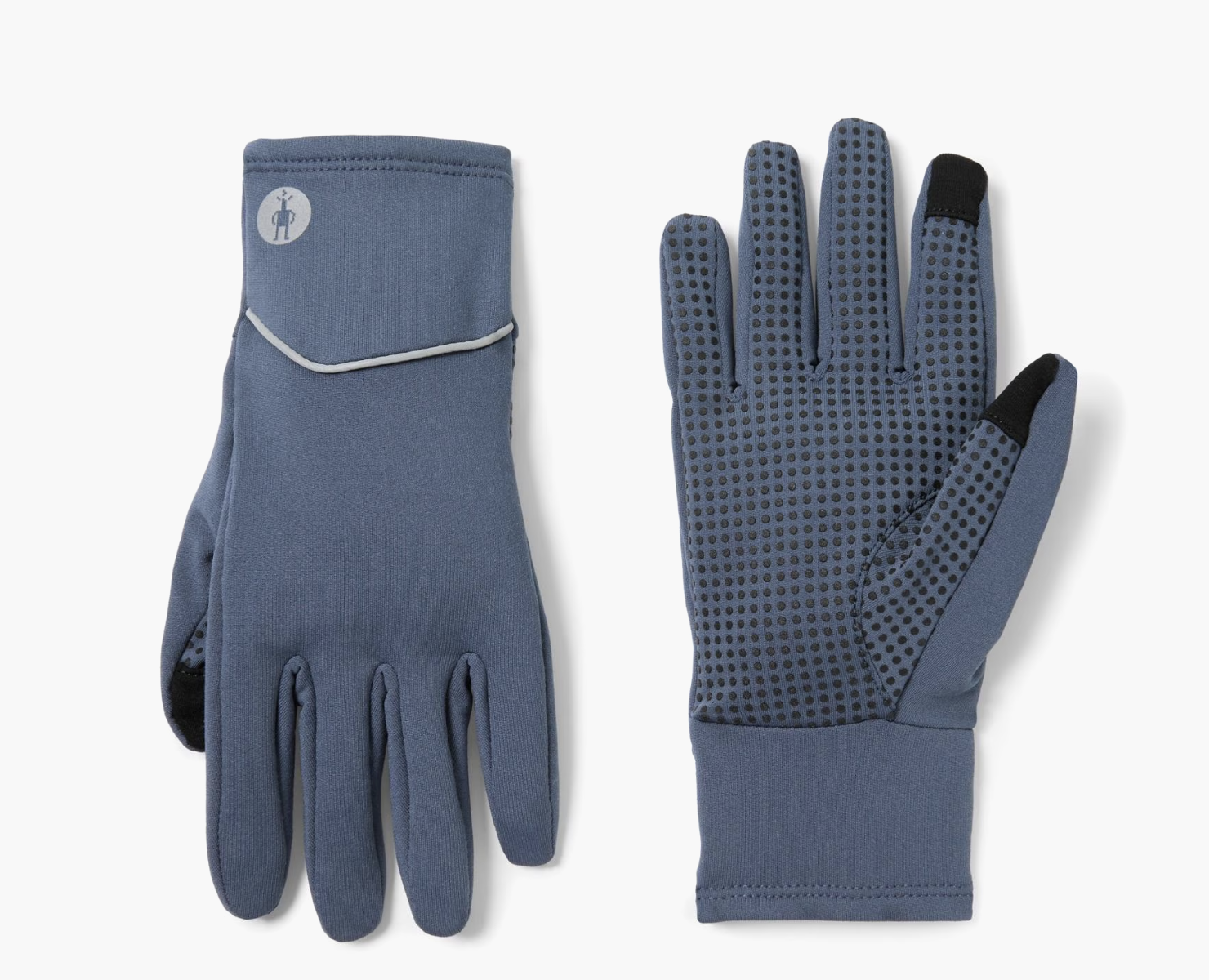
Fleece gloves
Lightweight fleece gloves for daily hiking. These provide enough warmth for most trekking conditions while allowing easy movement and breathability.
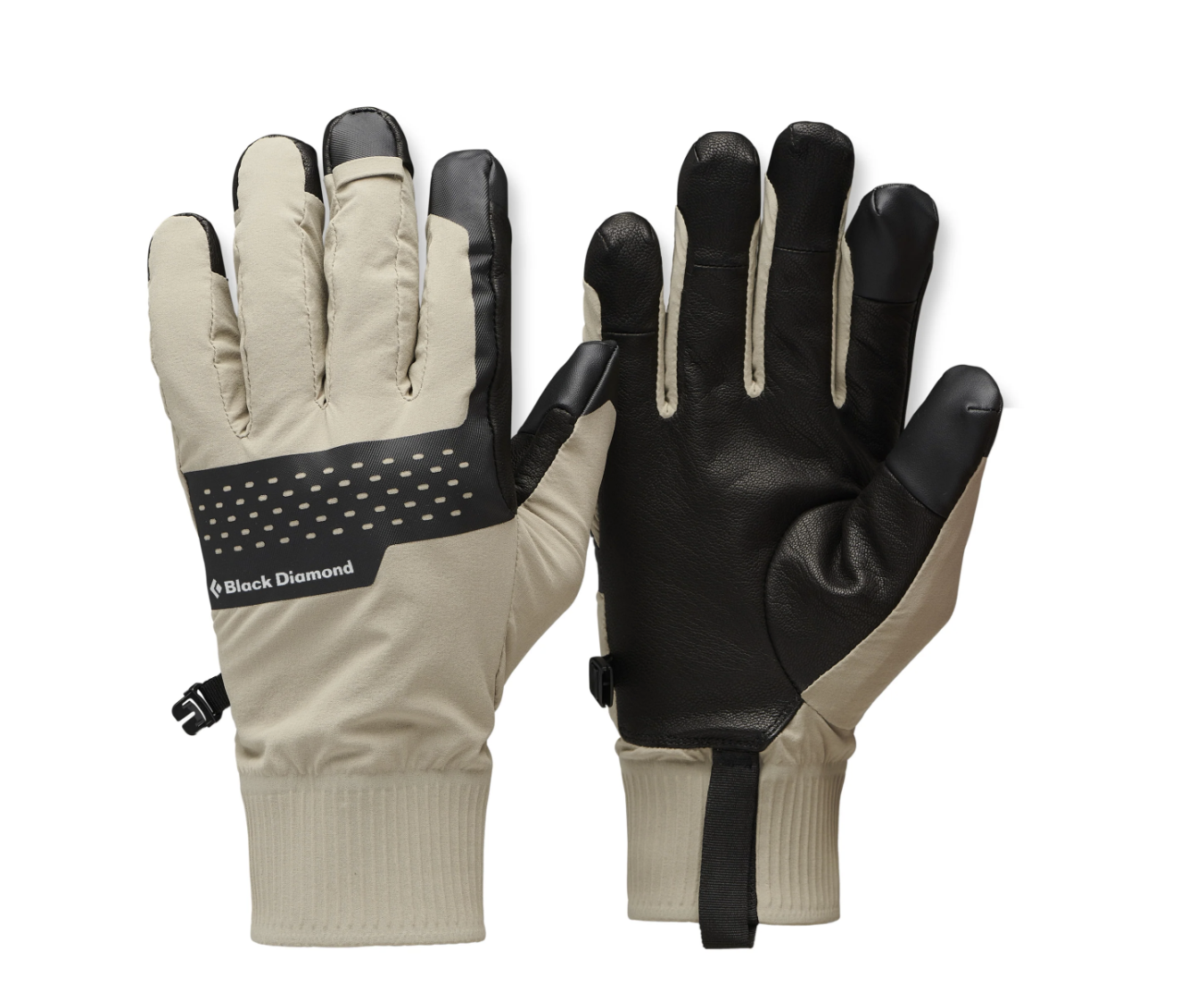
Alpine Softshell Gloves
Within your layering system, these serve as the next level of insulation for colder days. They provide more warmth and wind protection than fleece gloves while remaining breathable and functional during active trekking.
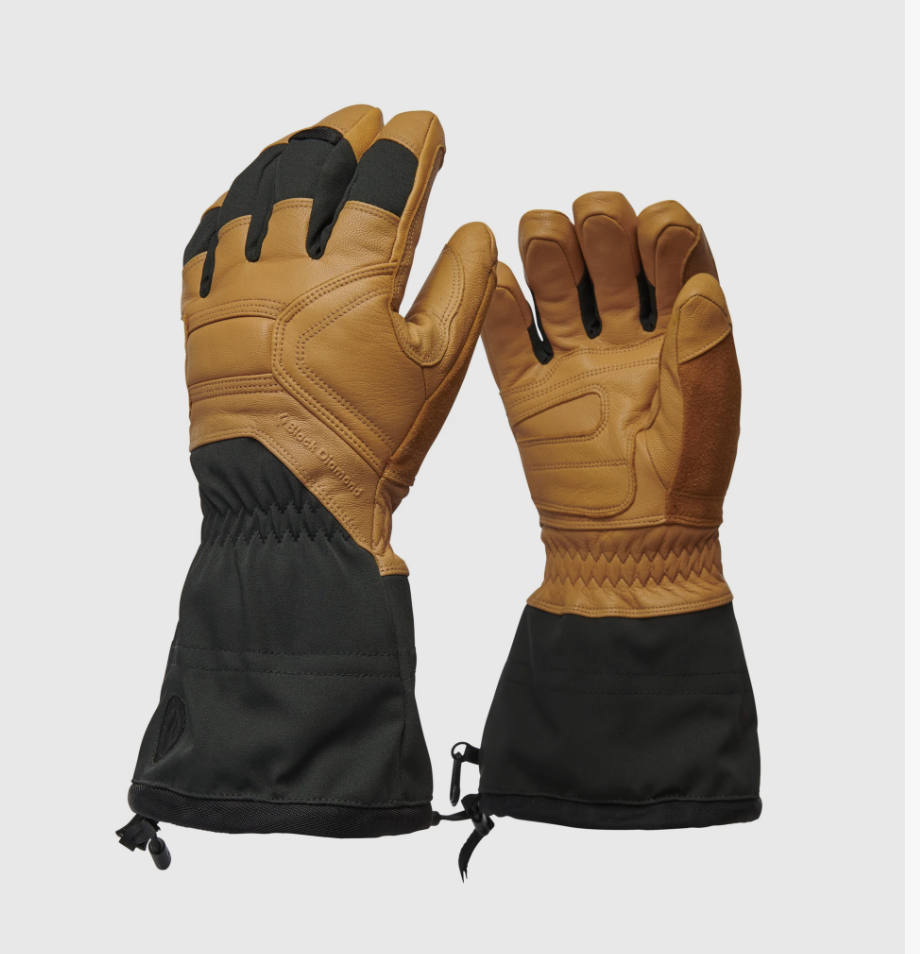
Heavyweight Gloves (we can get these in Kathmandu)
These gloves are extremely warm and are not recommended for active hiking. They are best reserved for very cold moments, such as the early morning climb to Kala Patthar or time spent overnight at Everest Base Camp. Heavyweight gloves can be rented or purchased in Kathmandu, where there are good options available.
Headwear & Neckwear
Head and neck protection play an important role in comfort throughout the trek. A warm beanie is essential for early mornings, evenings, and higher elevations. A buff, neck gaiter, or balaclava adds versatility and can be adjusted easily as temperatures and wind change. Quality sunglasses with proper UV protection are important as we move into higher, more exposed terrain. A sun cap can be helpful during midday hiking, and for Kala Patthar and Everest Base Camp, a balaclava is strongly recommended.
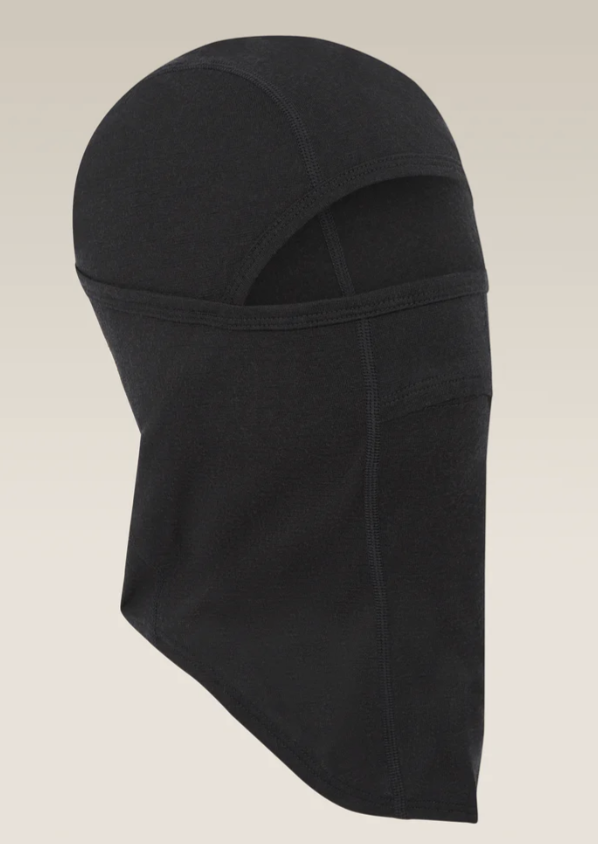
Balaclava
Essential for cold, windy conditions at higher elevations, especially around Kala Patthar and Everest Base Camp.
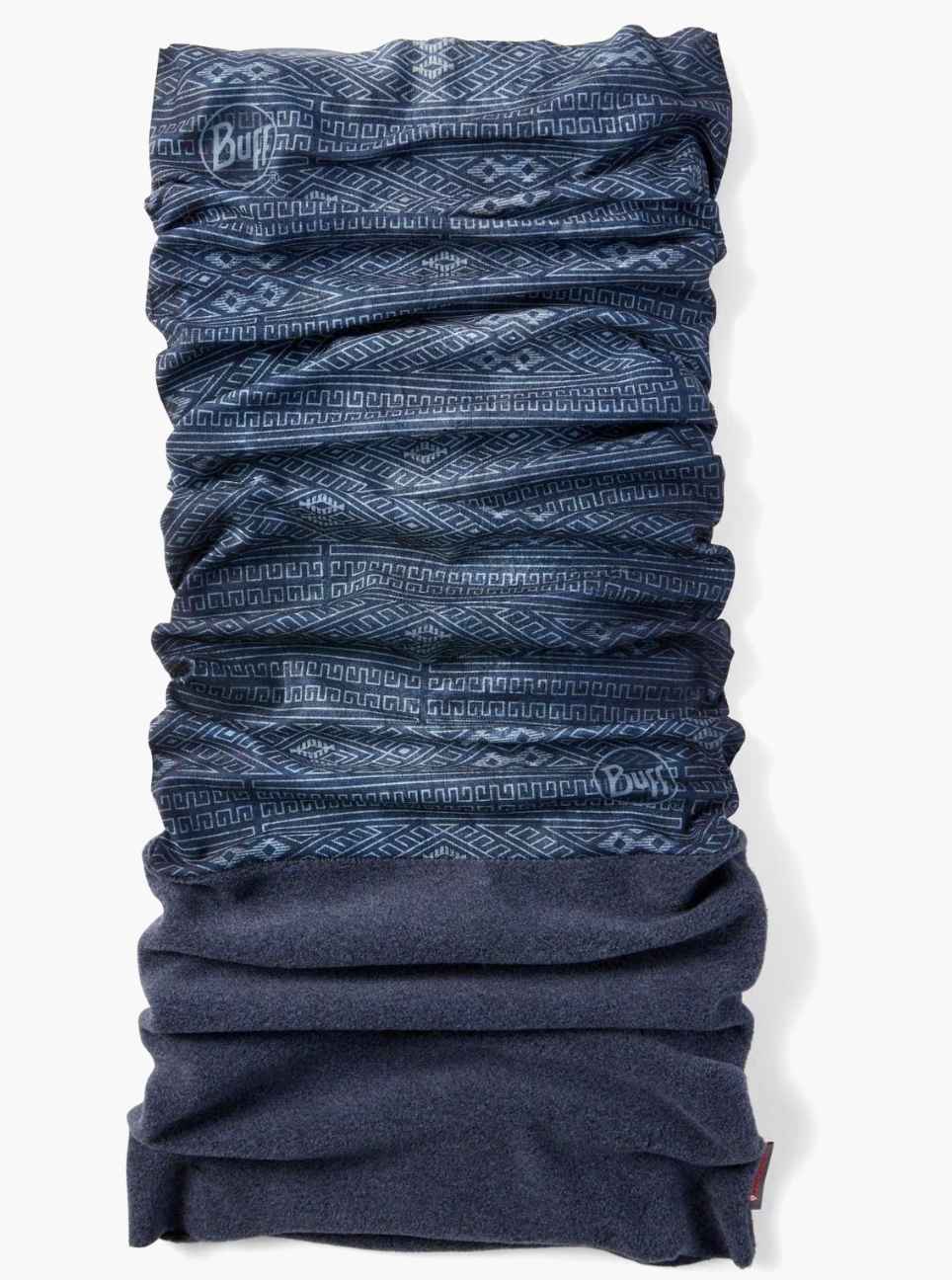
Buff
A versatile layer that can be worn around the neck, head, or face as conditions change.
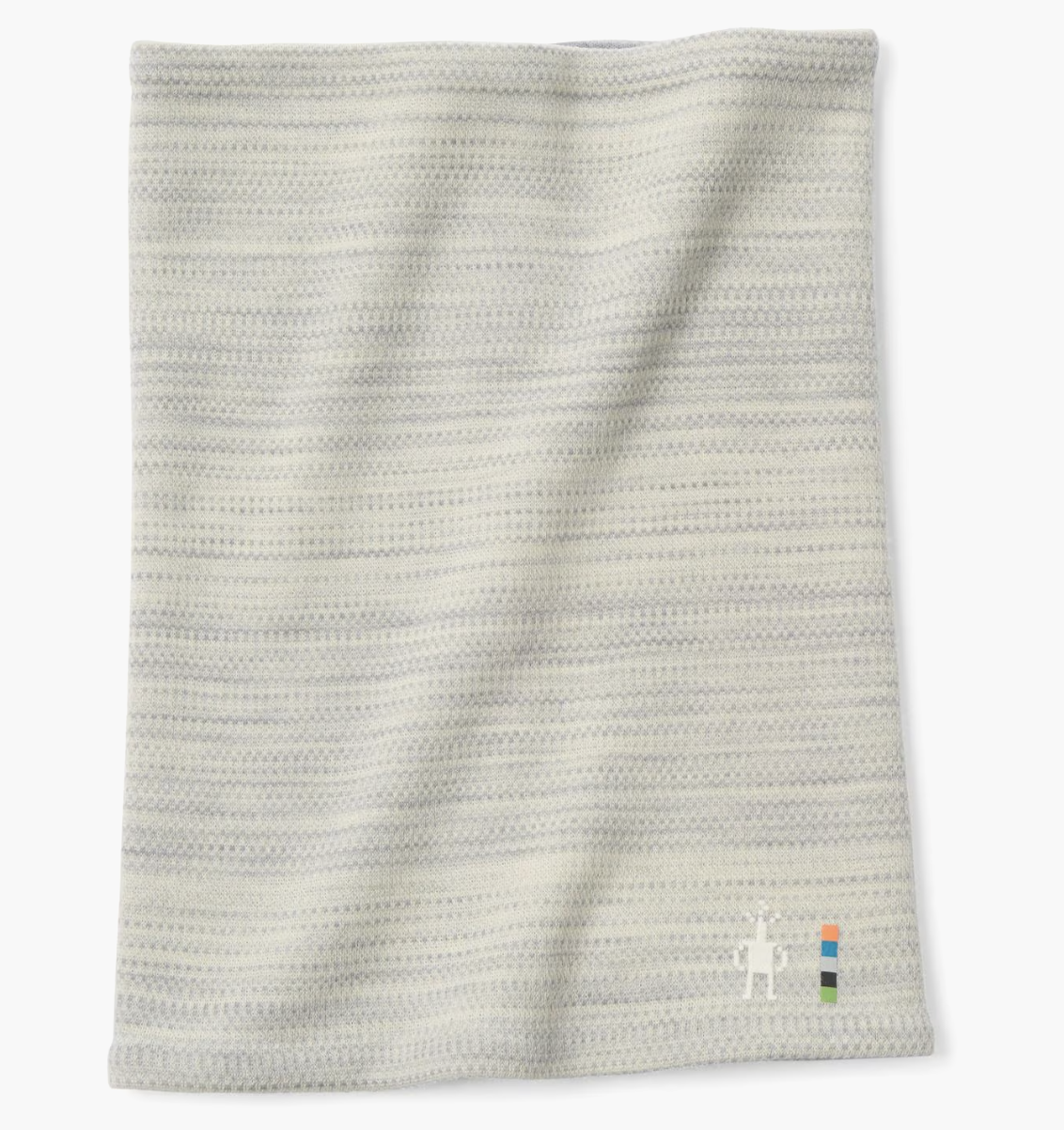
Neck Gaiter
Additional protection for wind and cold around the neck and lower face, especially useful for the Kala Patthar climb and time spent at Everest Base Camp.
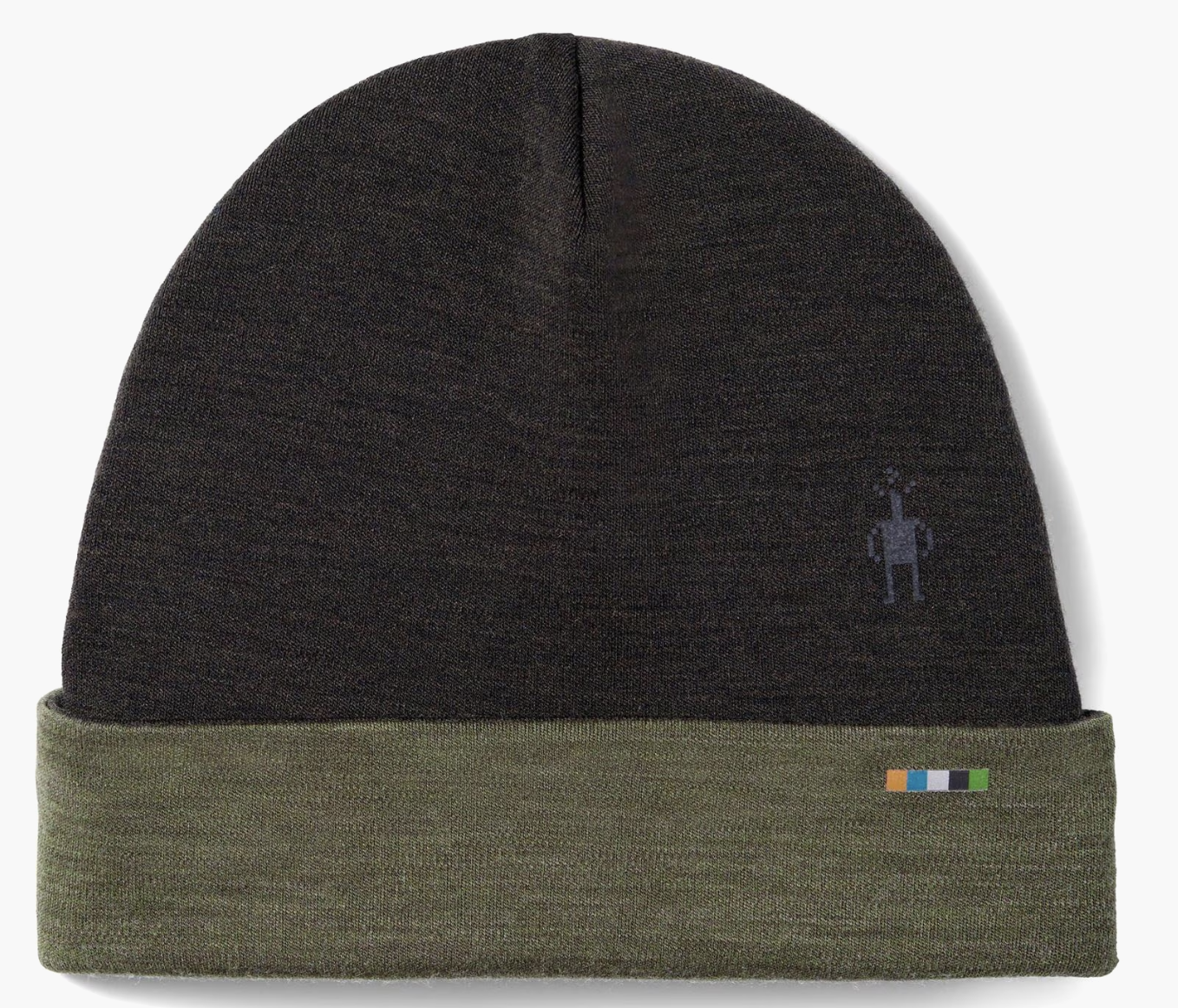
Beanie
A warm knit hat for early mornings, evenings, and rest periods in colder temperatures.
Sun hat
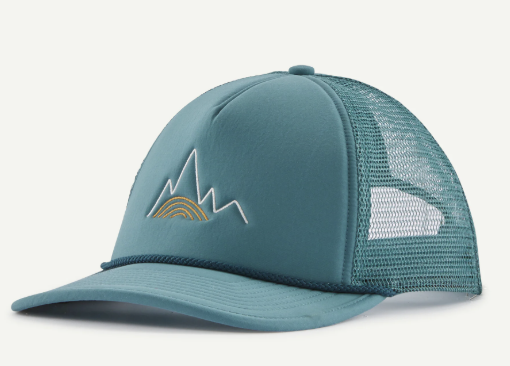
Sun hat or cap. Trucker hats are preferred for their mesh back and better airflow while still providing good face coverage. Avoid white or light-colored fabric under the brim, as sun reflection can be blinding at altitude
Sleeping System
During the first half of the trek, most tea houses provide electric blankets. That said, having your own sleep system is still important in case temperatures drop unexpectedly. A proper sleeping bag becomes essential for Lobuche, Gorak Shep, and the overnight stay at Everest Base Camp.
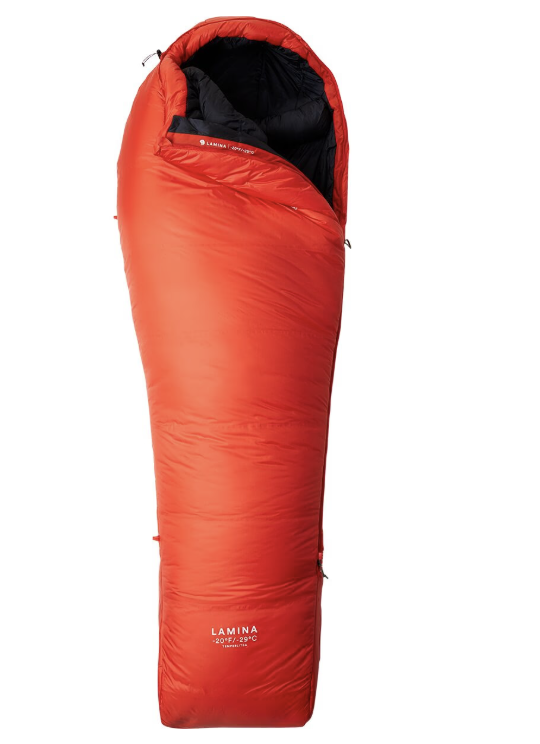
As with down jackets, sleeping bags can be purchased or rented in Kathmandu, where there are excellent quality options available. Many trekkers choose to rent locally. For those interested in purchasing a sleeping bag for future trips, a reliable 0°F rated bag is recommended.
Sleeping Bag (0°F range)
A warm sleeping bag rated to around 0°F is recommended for higher elevations and colder nights, especially near Everest Base Camp.
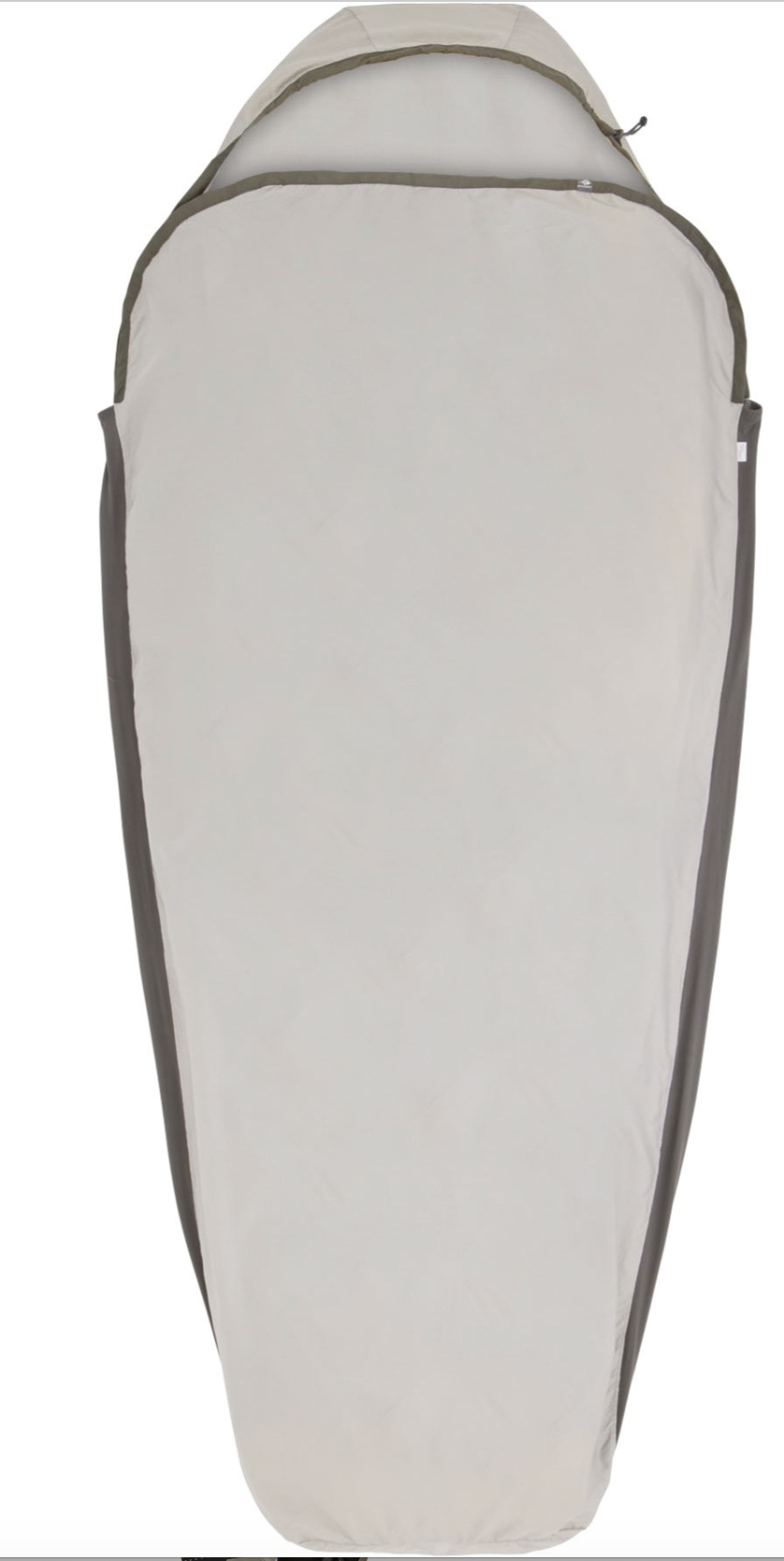
Sleeping Bag Liner
If you decide to rent a sleeping bag, a liner is a helpful addition for extra warmth and comfort. It also keeps the sleeping bag cleaner and, combined with a warm water bottle, can make nights feel surprisingly comfortable even at altitude.
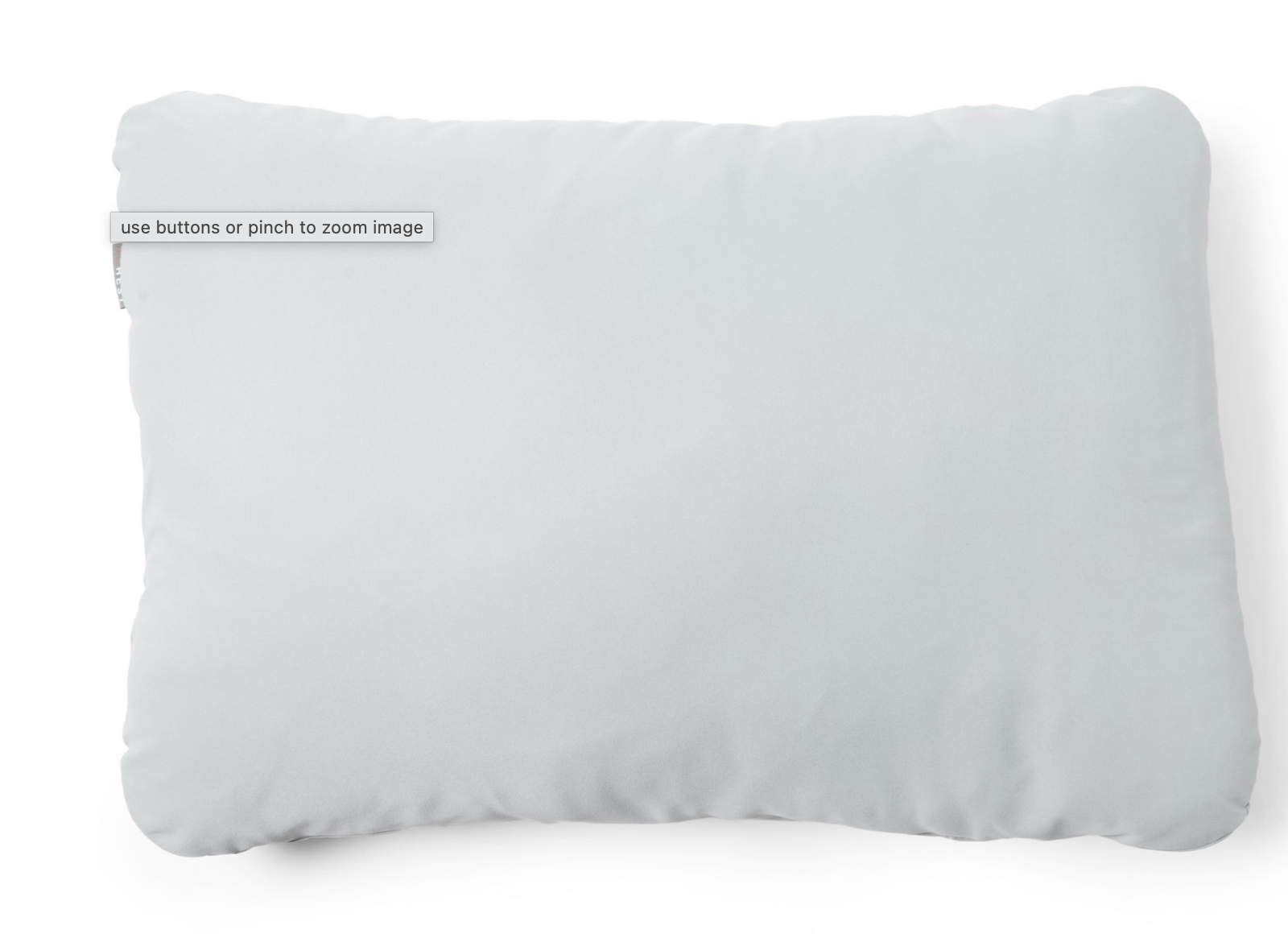
Pillowcase
A small comfort item that can improve sleep quality in tea houses. Lightweight and easy to pack
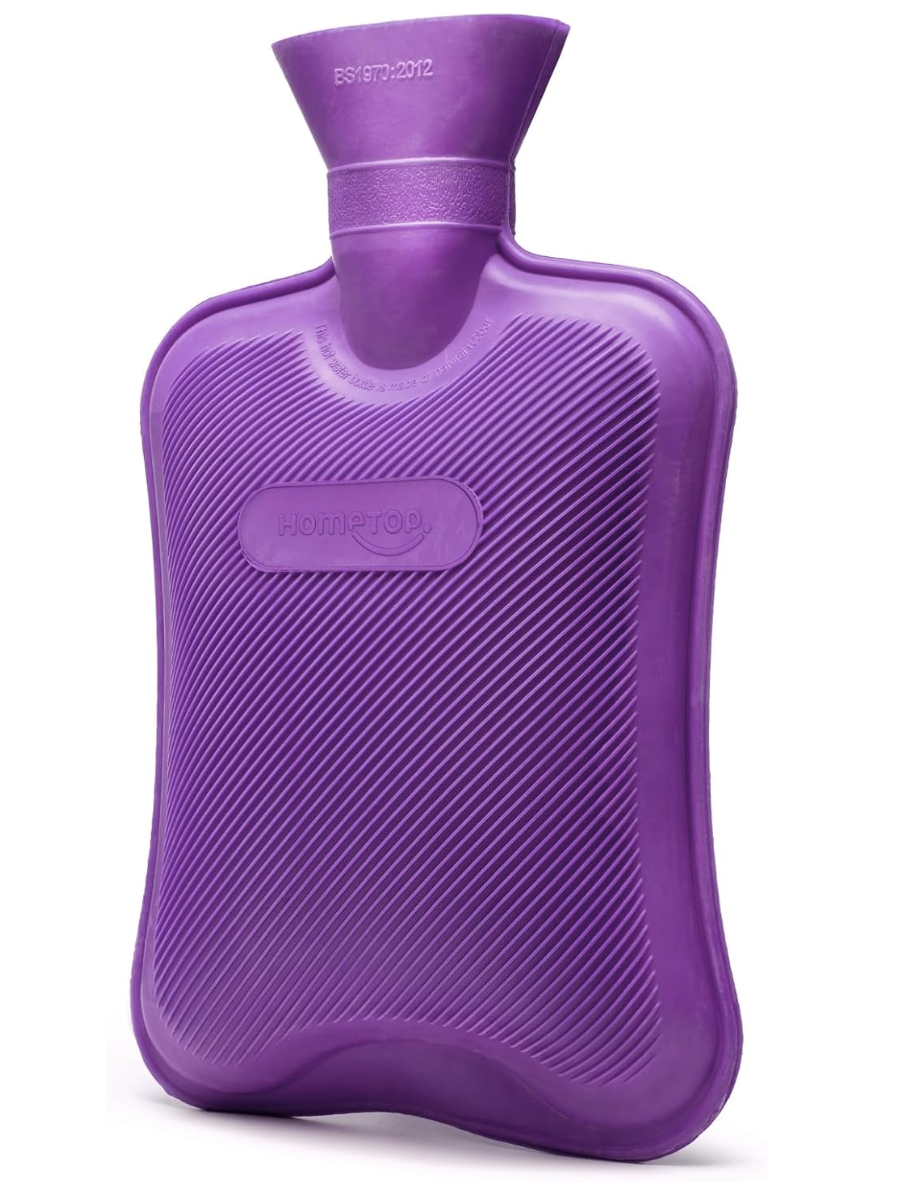
Rubber Hot Water Bottle
A simple but effective comfort item for cold nights. Filled with hot water, it adds warmth inside your sleeping bag and helps the body relax and recover at higher elevations.
Equipment Miscellaneous
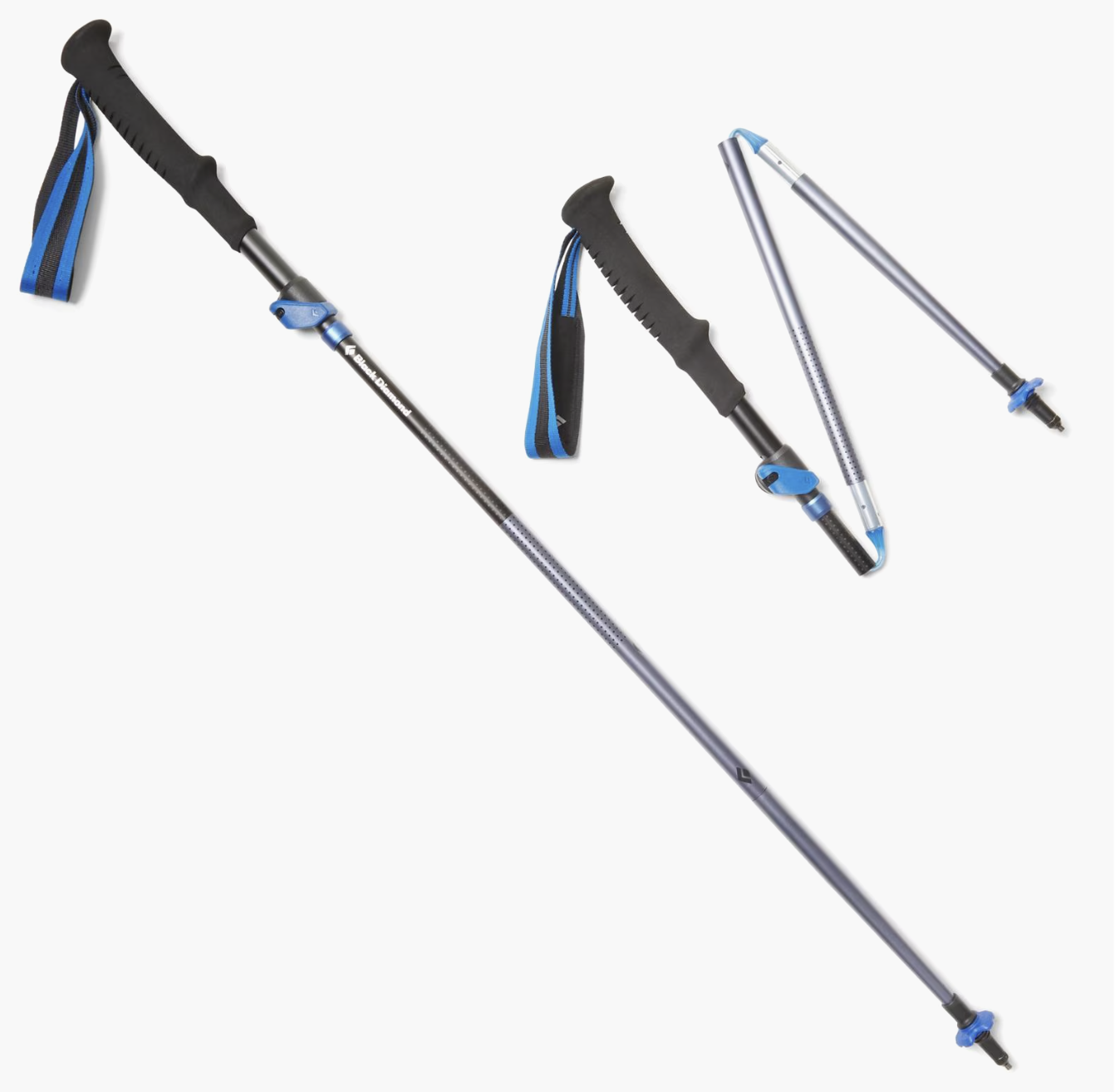
Trekking Poles:
Collapsible trekking or ski poles with adjustable height. Three-section models are preferred for easy packing and versatility.
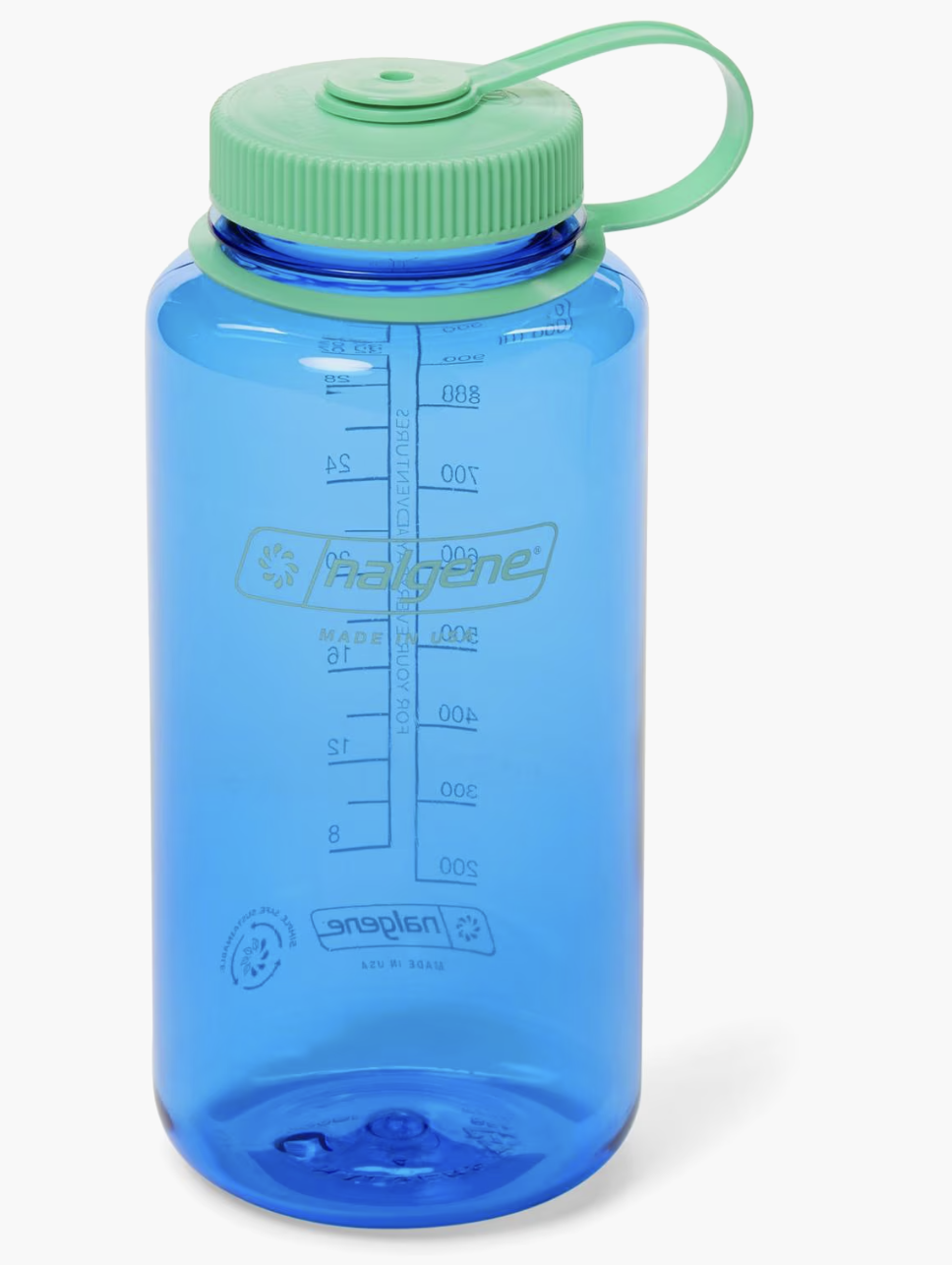
Water Bottles
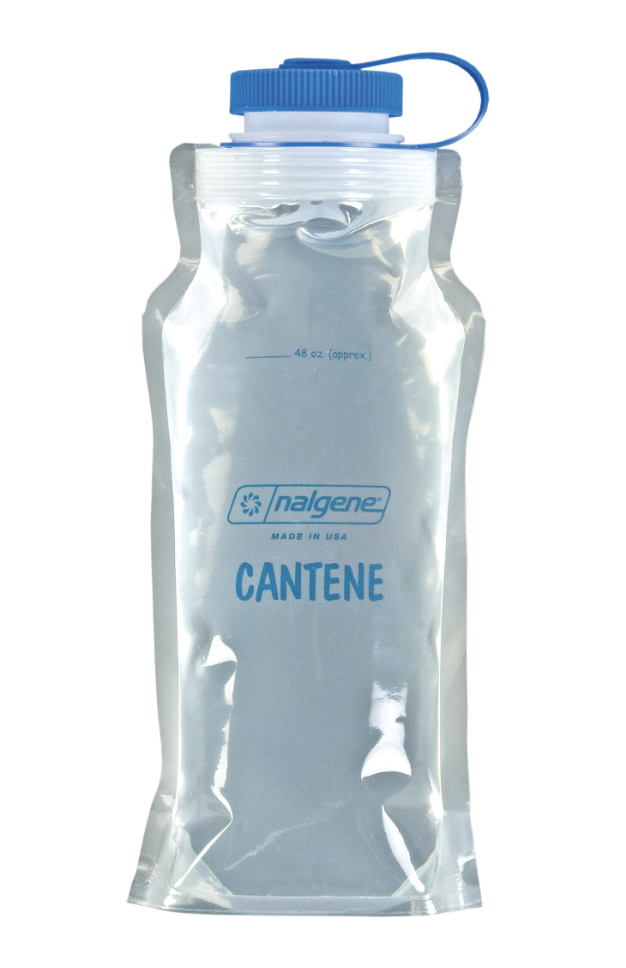
Two 1L water bottles. Nalgene bottles are the most reliable in cold conditions. I don’t recommend built-in purification systems, as they can easily clog or collect dirt. For safety, we’ll be consuming sealed plastic bottles when needed.
Hydration note: we need to acclimate our bodies to drinking at least 3 liters of water per day in advance of the trek
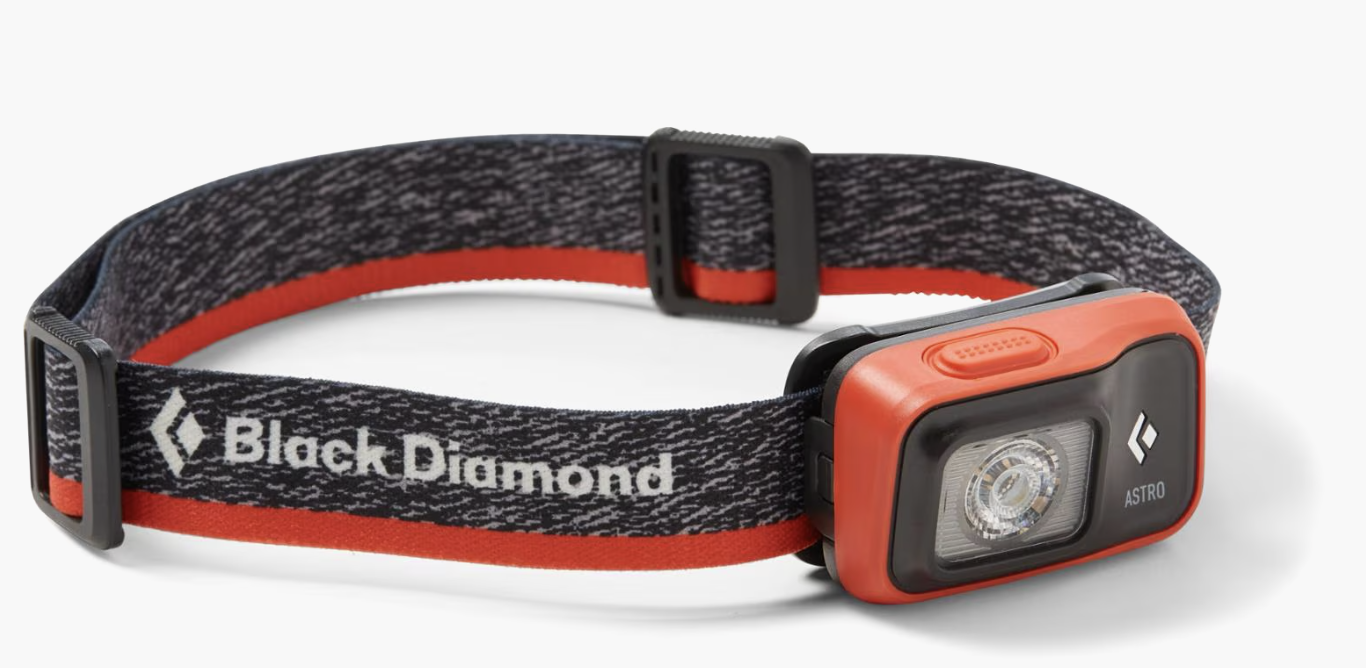
Headlamp
Classic, straightforward headlamp with up to 300 lumens of output that can run on standard AAA batteries. Durable, storm-proof, and ideal for teahouses and early prep in low light. (Bring an extra set of spare batteries)
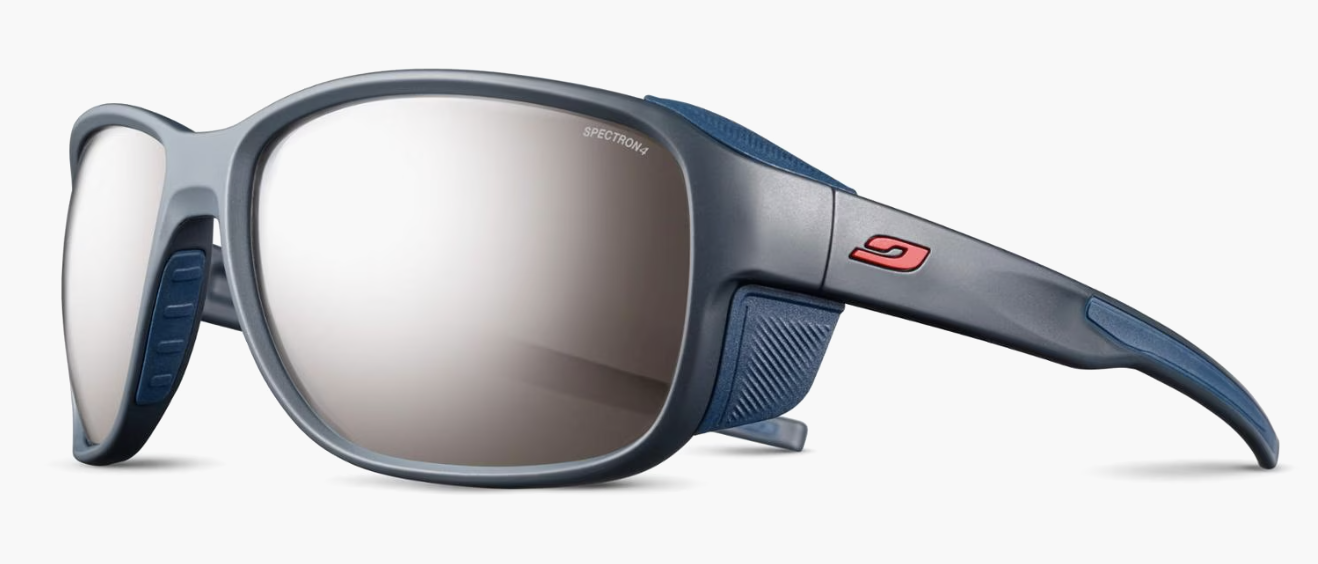
Sunglasses
High-quality, UV-blocking sunglasses with full coverage. Proper fit is essential. Polarized (Category 4) lenses are a must due to the intense mountain sun. My preferred brand for years has been Julbo
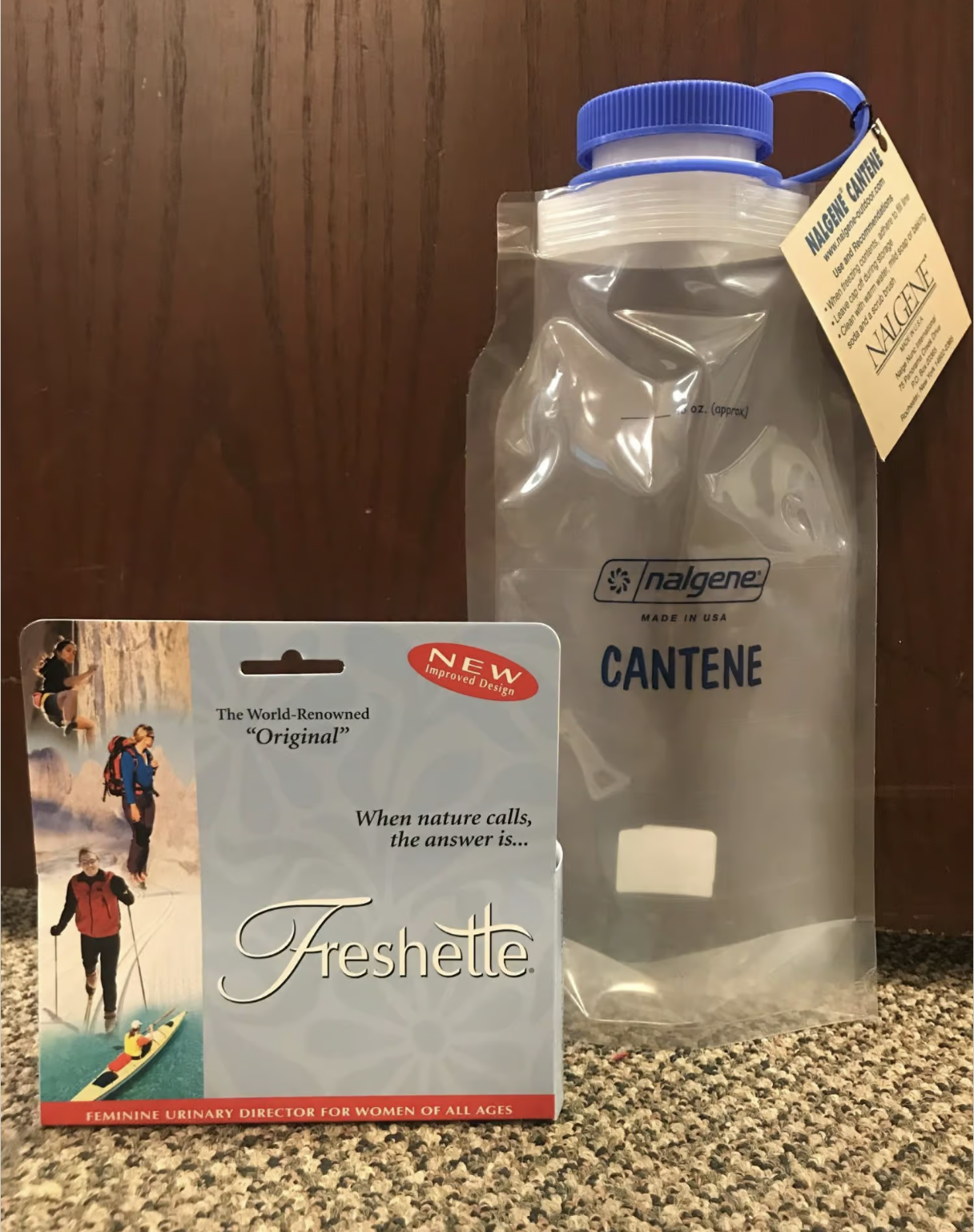
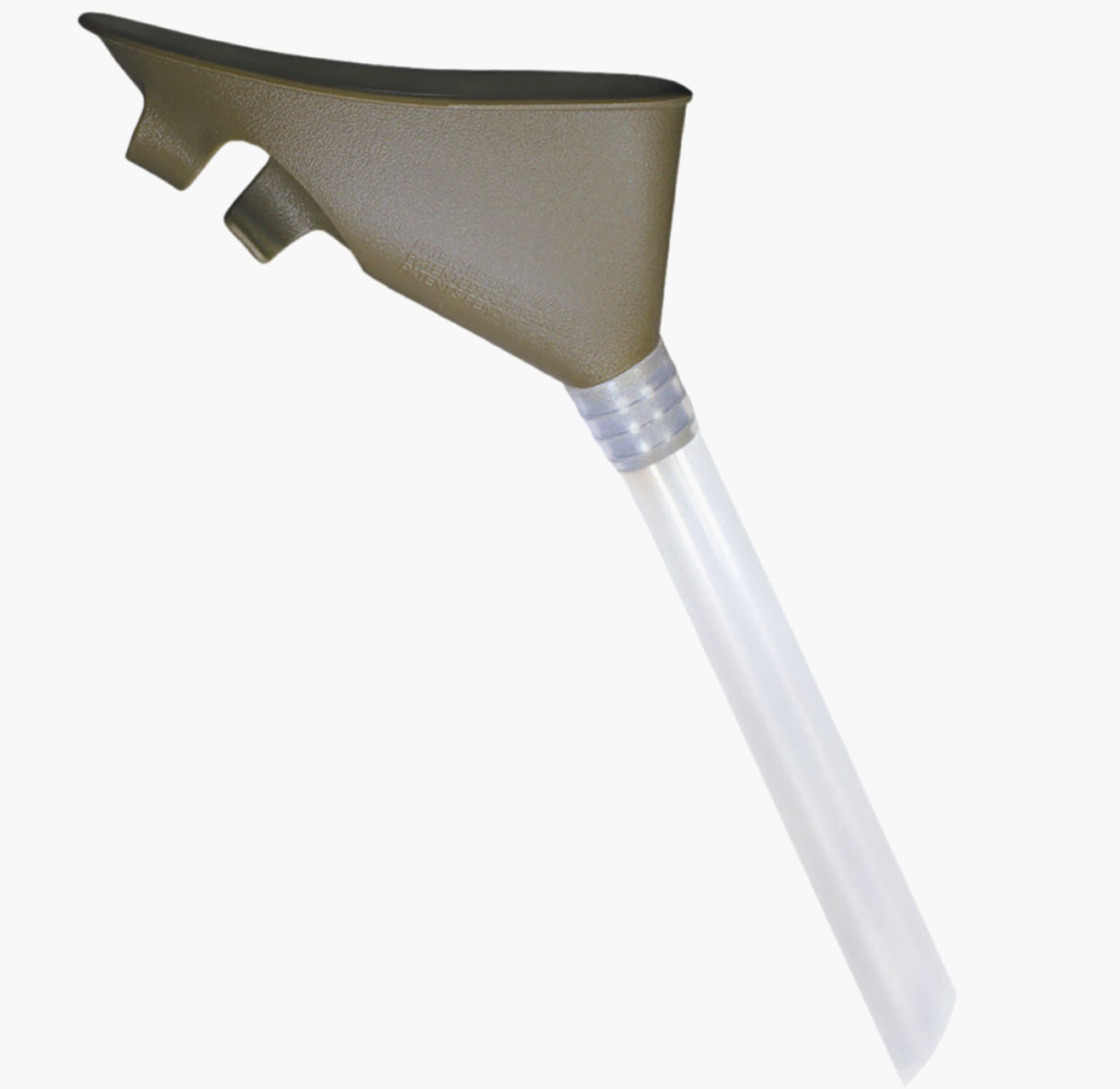
Freshette / Portable relief bottle & Nalgene
Given the amount of water we’ll be drinking for proper hydration, this can be a valuable personal item. About 80% of places along the route do have restrooms available if we need to stop, though conditions can vary and are not always ideal.
If you choose to use one, I recommend becoming familiar with it during training hikes. It may feel unfamiliar at first, but once on the trek, many find it becomes a very natural and practical solution.
On our final night at Everest Base Camp, restroom access will not be as close as at the teahouses and hotels along the route. Toilets at EBC are shared porta-potties. In very cold conditions, having a simple nighttime option can be helpful. A 48 oz Nalgene Cantene works well and is sufficient.
Electronics & Power
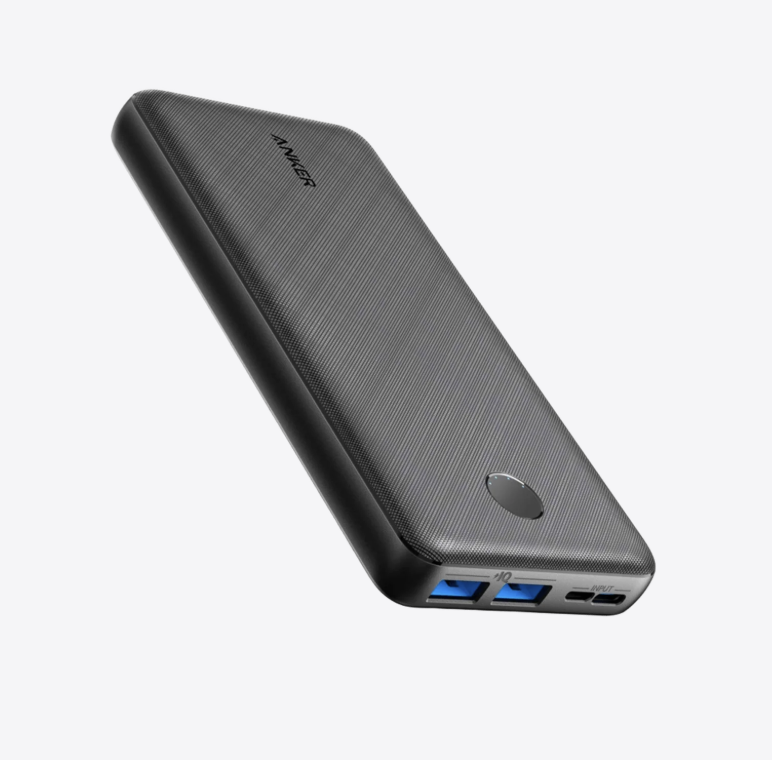
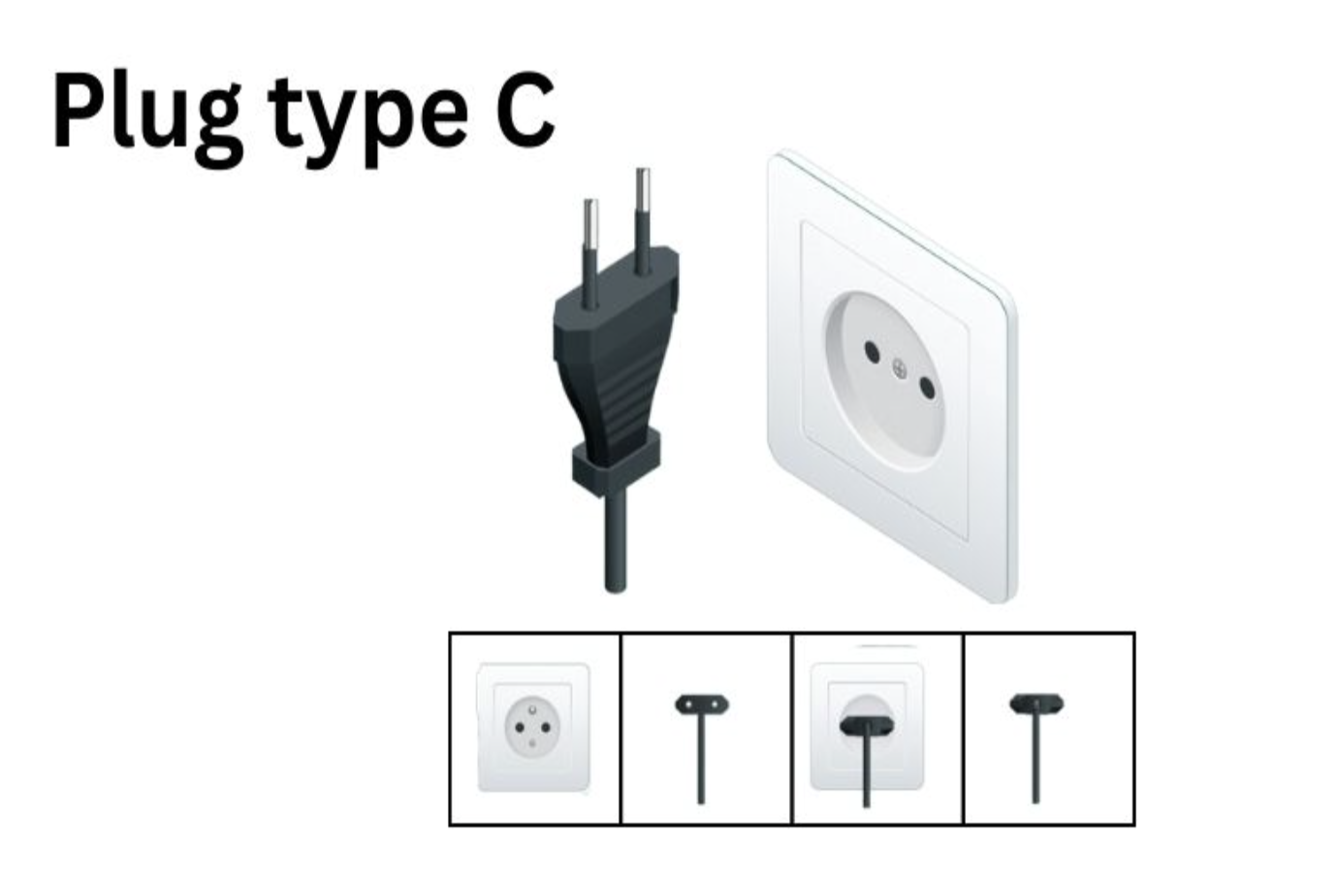
Nepal uses Type C plugs (European style). All teahouses have electricity, and many offer places to plug in devices. For daily phone charging, especially if you’re taking photos or videos, a 20,000 mAh power bank will be more than sufficient.
PowerBank
A reliable power bank is recommended for daily charging, especially if you’re taking photos or videos. My go-to brand is Anker. A 20,000 mAh power bank provides ample capacity for multiple days of use between charges.
Travel Adapter
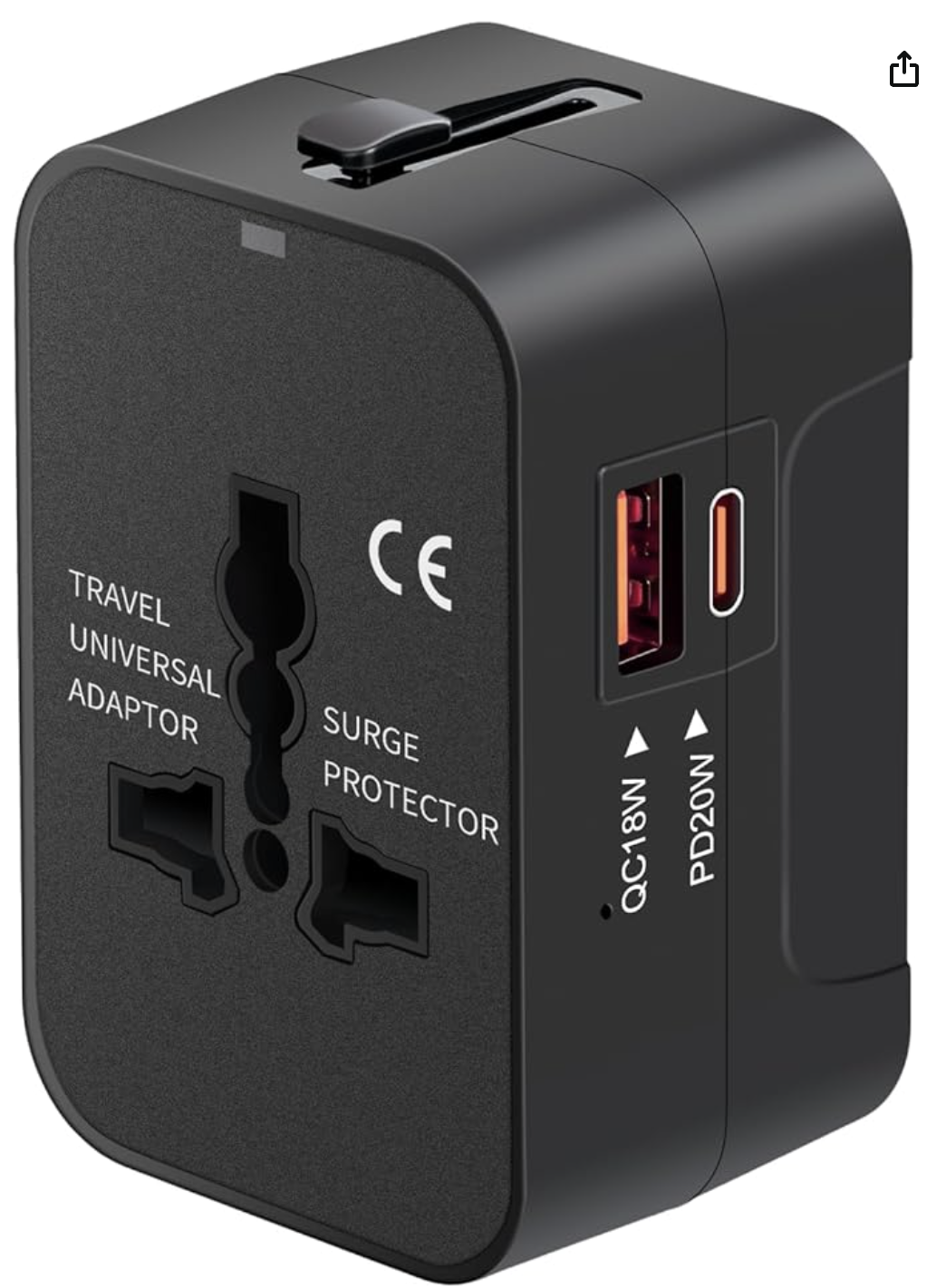
Universal adapter with USB-C + USB-A. Fast-charge (PD 3.0). Compatible with Type C (EU) outlets.
Hand & Toe Warmers
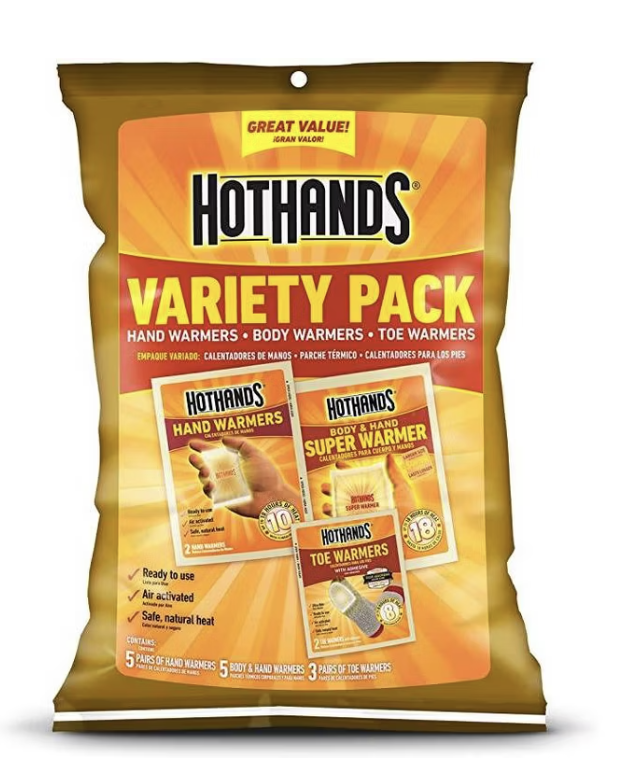
Four pairs of hand warmers and three pairs of toe warmers are sufficient. I will have extras.
Note: chemical hand warmers rely on oxygen and are less effective at high altitude. Toe warmers are different. They are designed to work inside boots with lower oxygen levels, but they burn out more quickly.
Nutrition and Supplements & Other Misc
Bring personal snacks and supplements you already use. Snack options along the trek are limited and mostly generic (e.g., candy bars). If you have digestion sensitivities or dietary preferences, it’s best to bring snacks from home. These are intended only as trekking fuel, as we’ll have three full meals per day.
Energy Bars / Chews
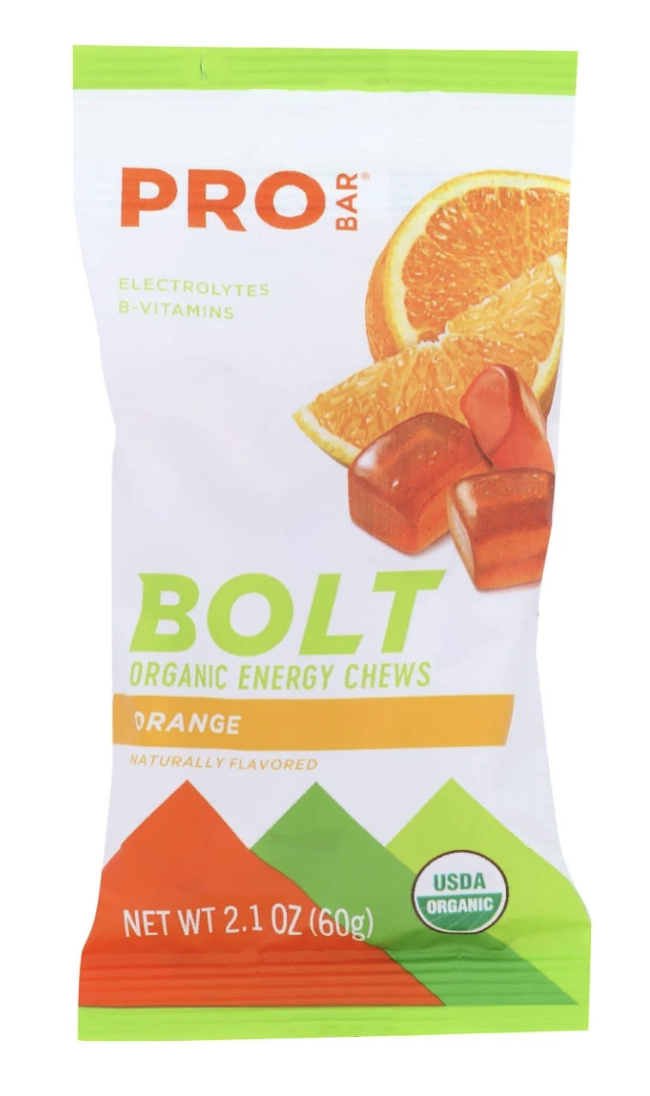
I’m a long-time fan of ProBars. Clif Bloks or GU also work well. Choose low-caffeine or caffeine-free options. I recommend trying different brands during your training hikes to see what your body and taste buds respond to best.

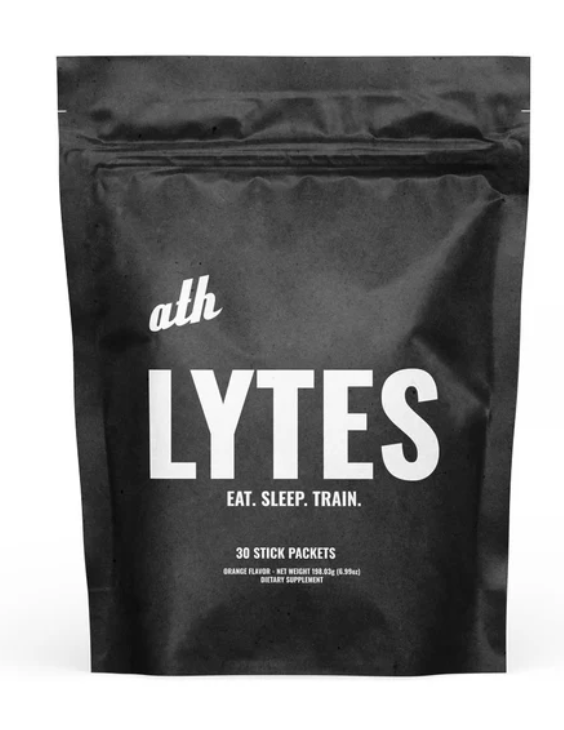
Electrolytes (Altitude Hydration)
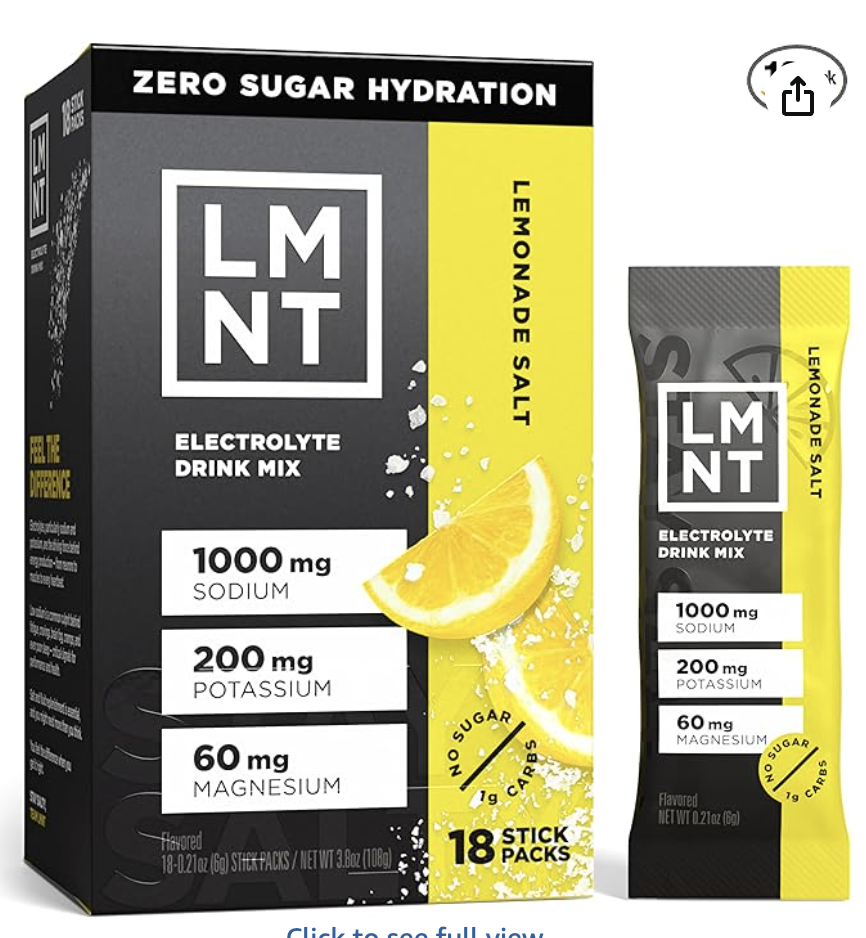
For altitude hydration, use a clean, high-sodium electrolyte with good mineral bioavailability. LYTES works particularly well due to its high sodium content, magnesium glycinate, and lack of sugar or artificial sweeteners, which can be harder to tolerate at altitude. LMNT is another solid option.
Use electrolytes intentionally, not in every bottle. One to two servings per day maximum.
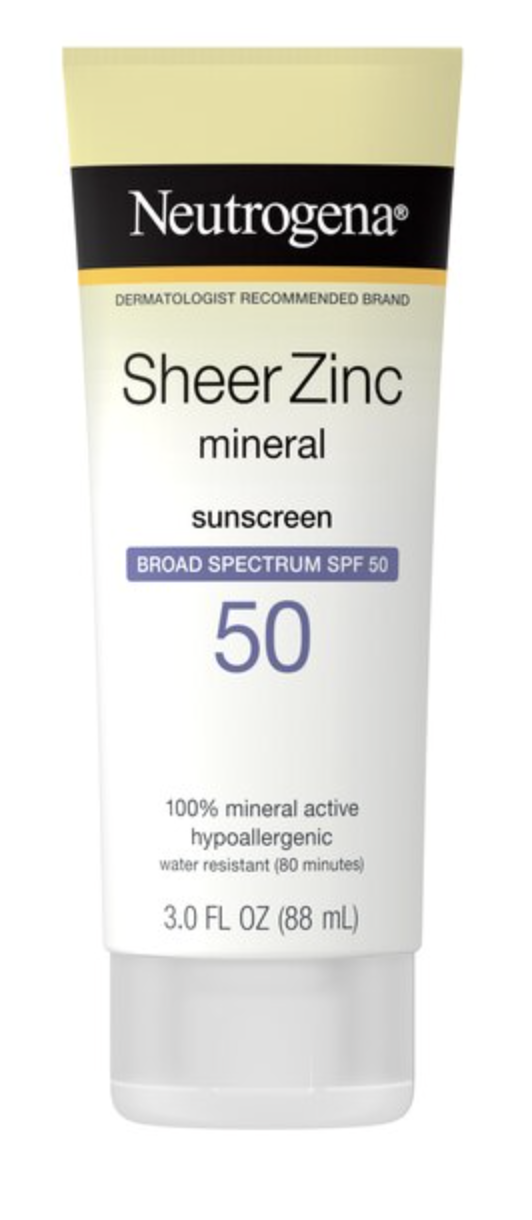
Sunscreen: SPF 30+ with zinc oxide preferred. Multiple small tubes recommended. Sheer zinc formulas work well.
Toiletries – Sun & Skin Protection and others
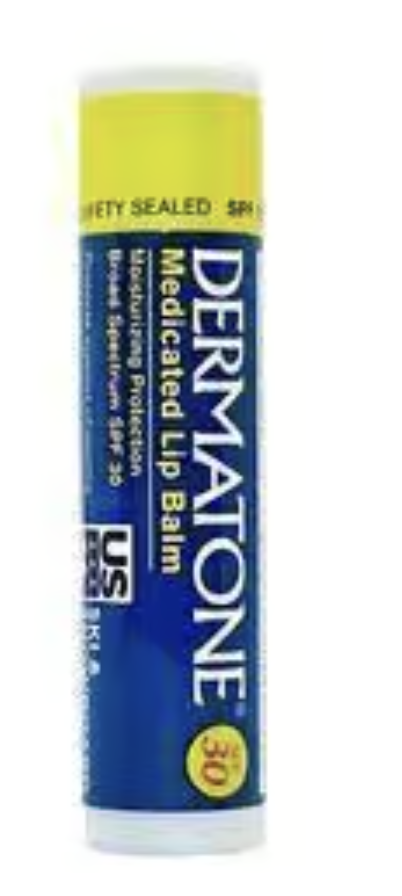
Lipbalm:
SPF 30+ lip balm. Bring several tubes.
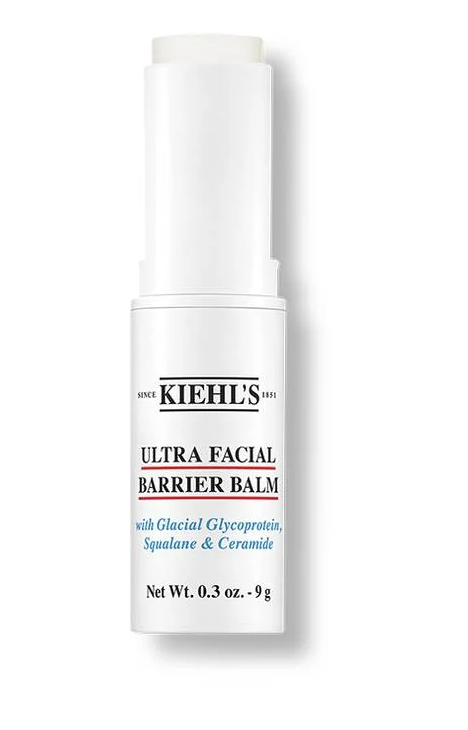
Moisturizer: Rich face and hand moisturizer. Cold, wind, and altitude dry skin quickly. Unscented formulas are best. Recommended Kiehl’s Ultra Facial Skin Barrier Repair Balm with Squalane
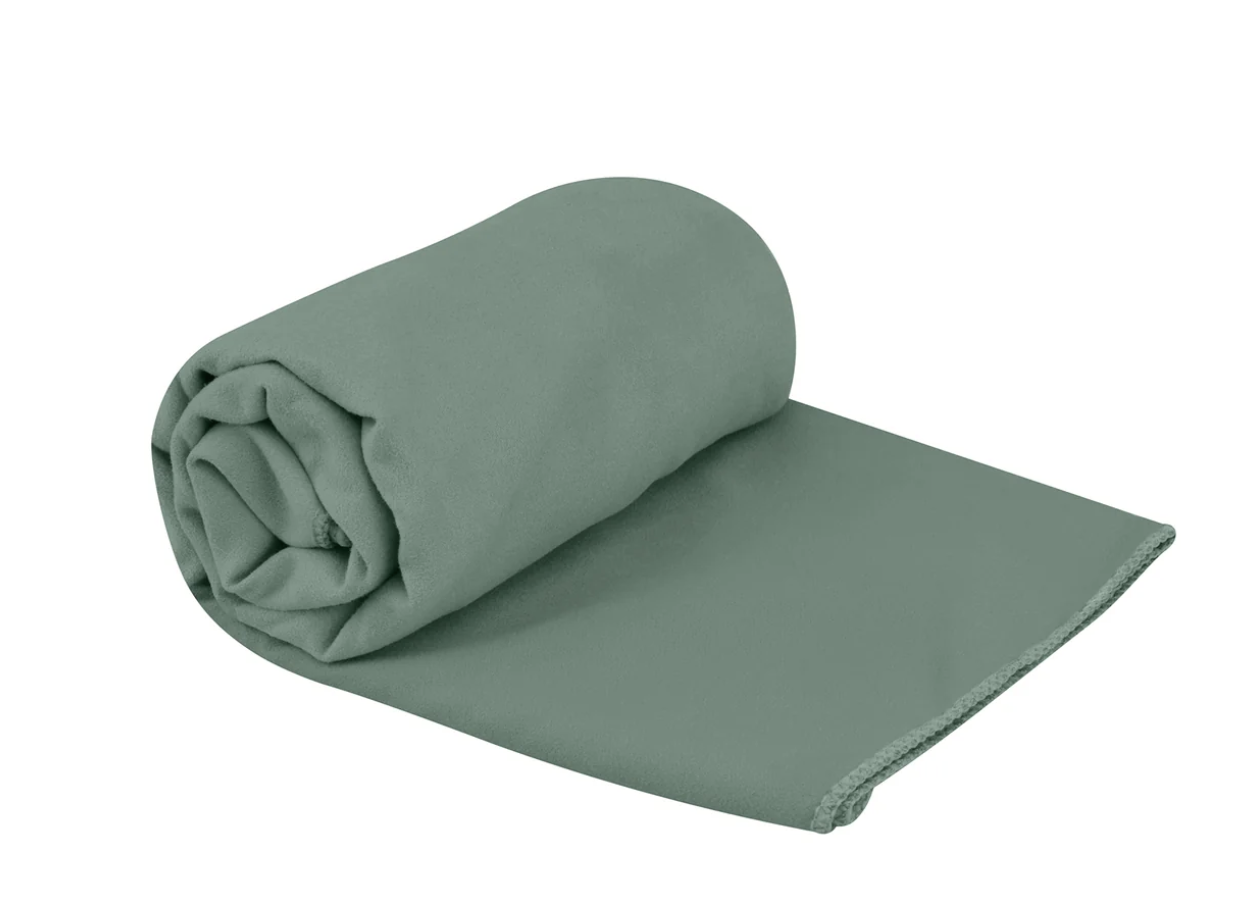
DryLite / Quick-Dry Towel
Lightweight, fast-drying towel for personal hygiene at teahouses and Everest Base Camp. Packs small and dries quickly in cold conditions. If you already have one from camping trips, reuse it.
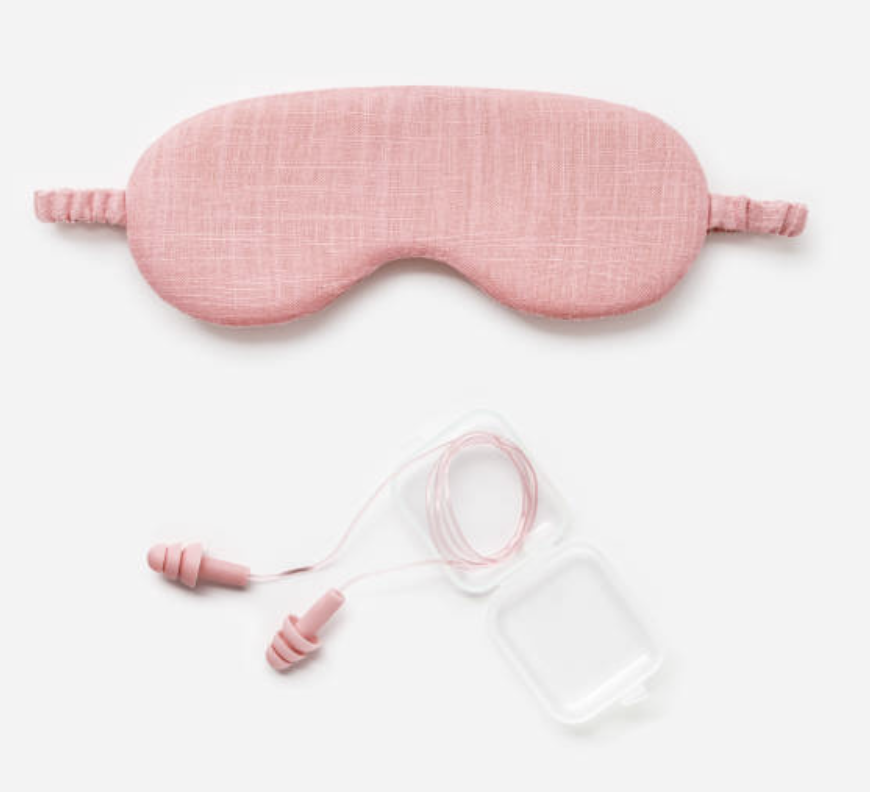
Sleep & Recovery
Earplugs and sleep mask. The same ones used for flights work well. I personally use in-ear headphones as earplugs.
A JOURNAL (or 2)! A MUST!
I also recommend a small pocket journal for capturing thoughts, reflections, and inspiration during the trek.